
This page shows the recently added sites, starting from newest on the first line. The purpose of this page is to keep a track of the changes of the featured Biblical sites in the web site.
Home > Sites > Latest added sites
To see more of the newly featured site, click on its header.
A list of all sites can be seen in the sites overview. A map of all sites can be seen in the maps section.
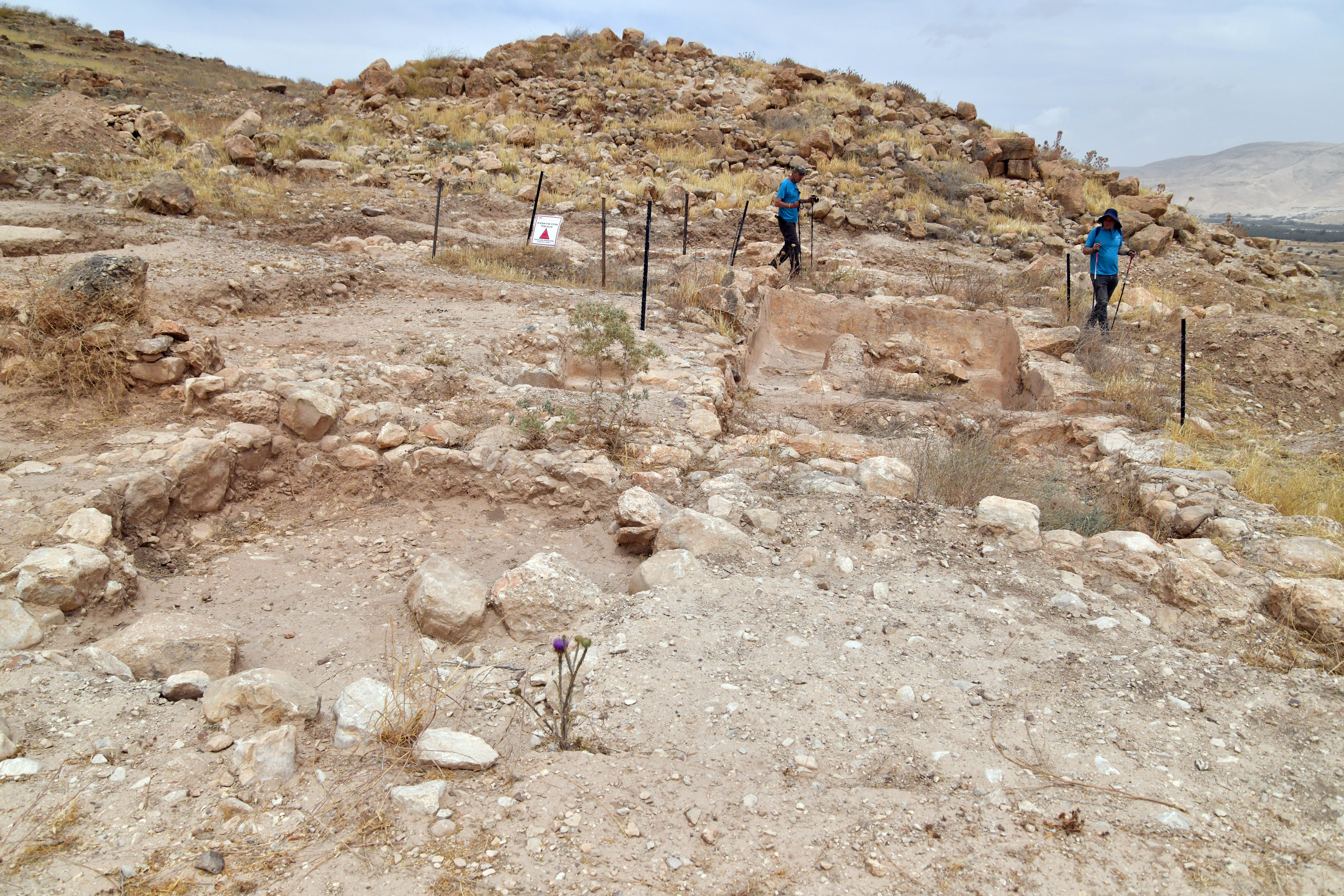
The best preserved Roman camp, located on the eastern fringes of Samaria.
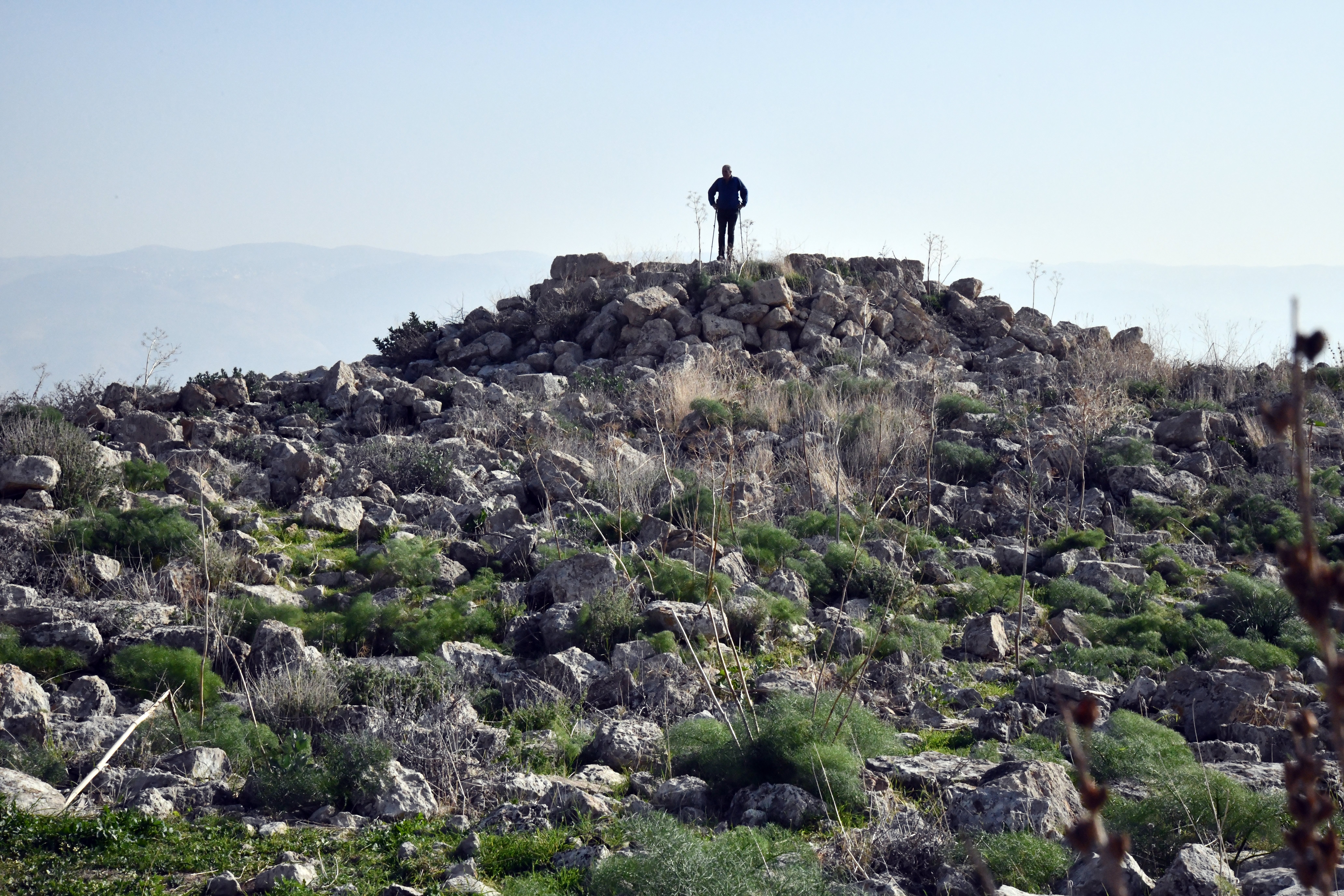
Apr 19, 2026
A Hasmonean and Herodian desert fortress on a high pointed mountain, overlooking the Jordan valley.
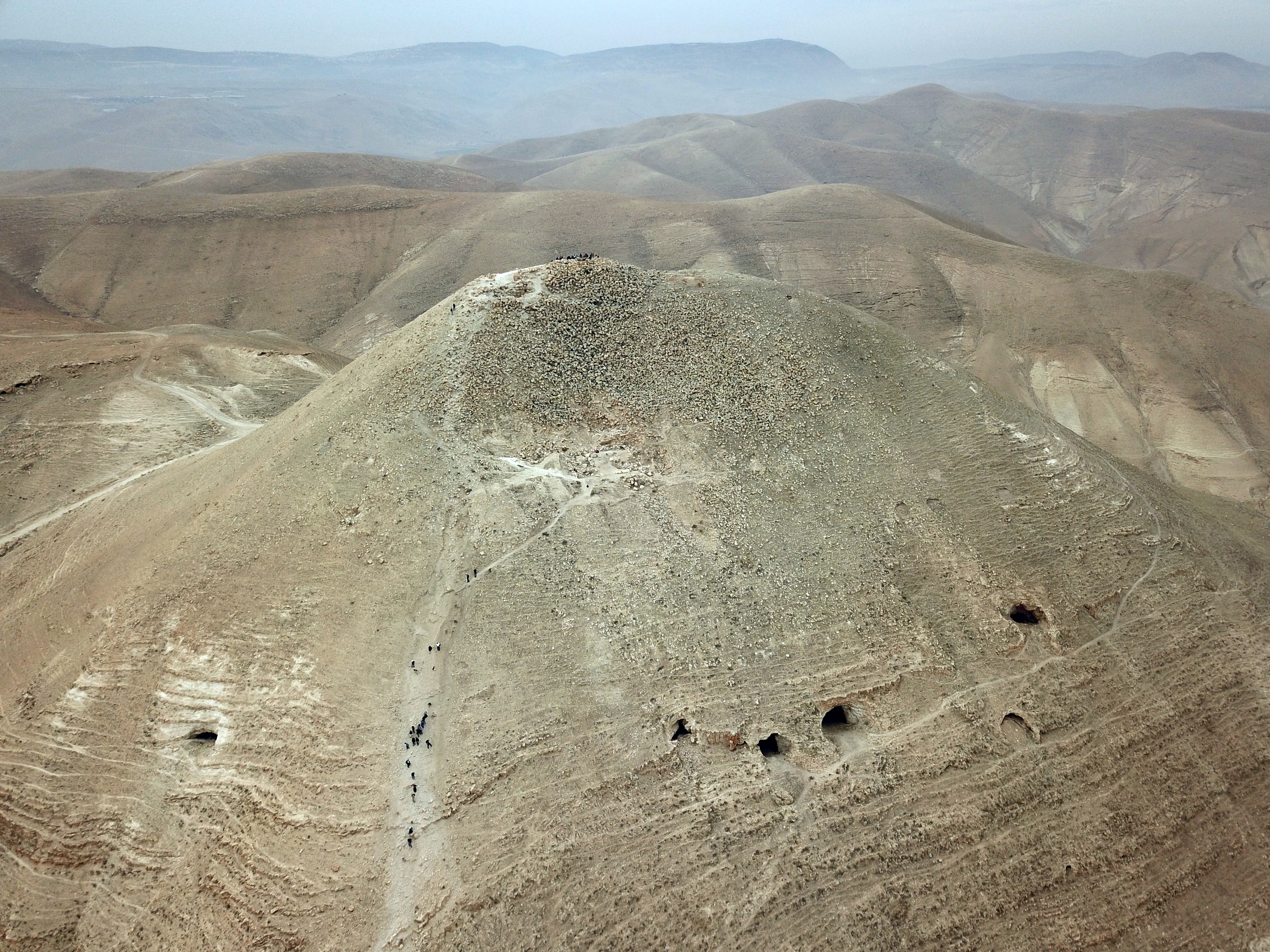
Apr 6, 2026
Describes a section of the Way of the Patriarchs, as seen near the community of Elazar.

Mar 31, 2026
Beth Zechariah was the site of a Maccabean battle against the Seleucid army, and is identified at Horvat Beit Zekharya.
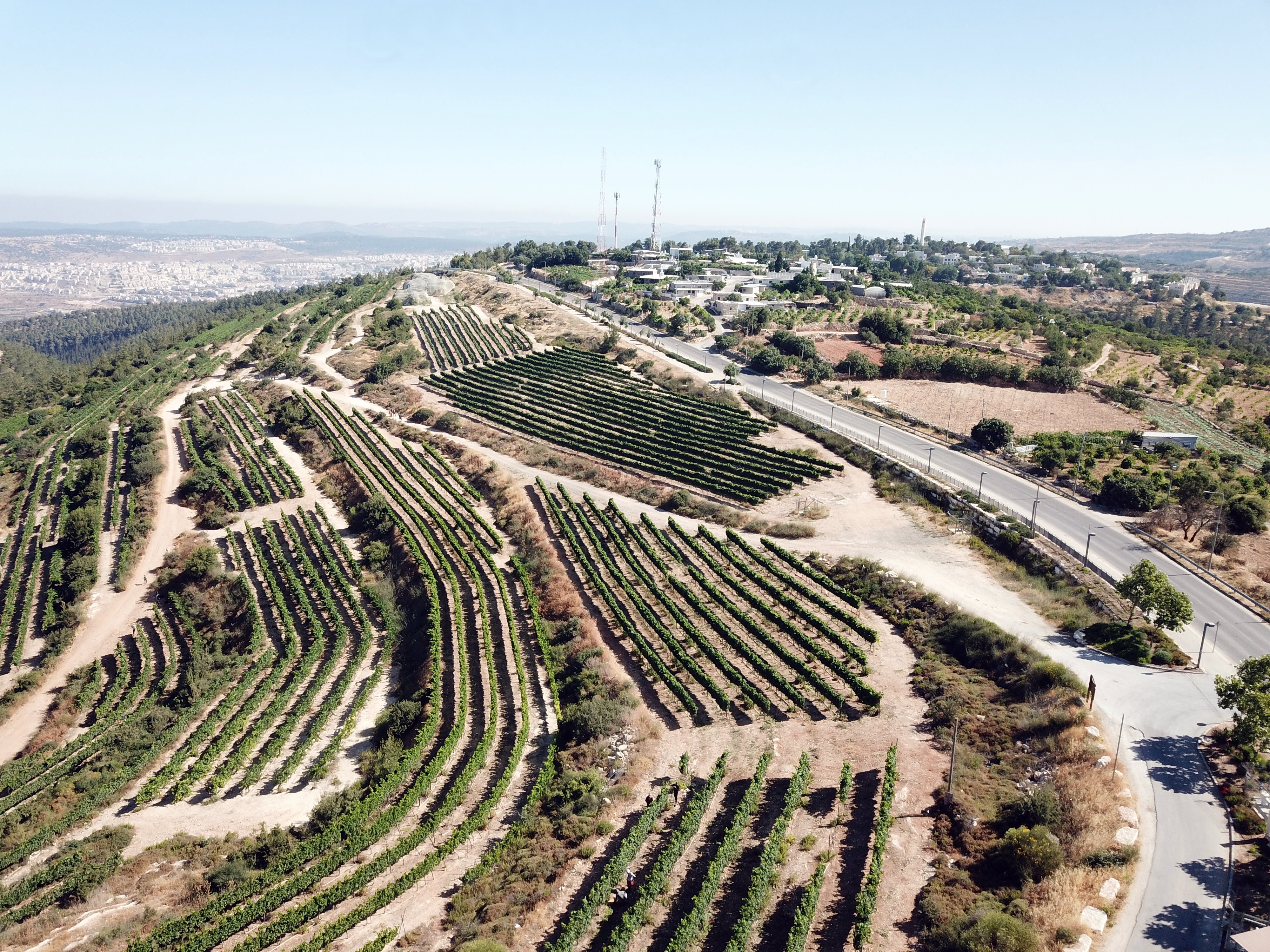
Mar 26, 2026
Ruins of a Israelite period desert fortress and small settlement, near the confluence of Nahal Haro’a and Mezadim streams.
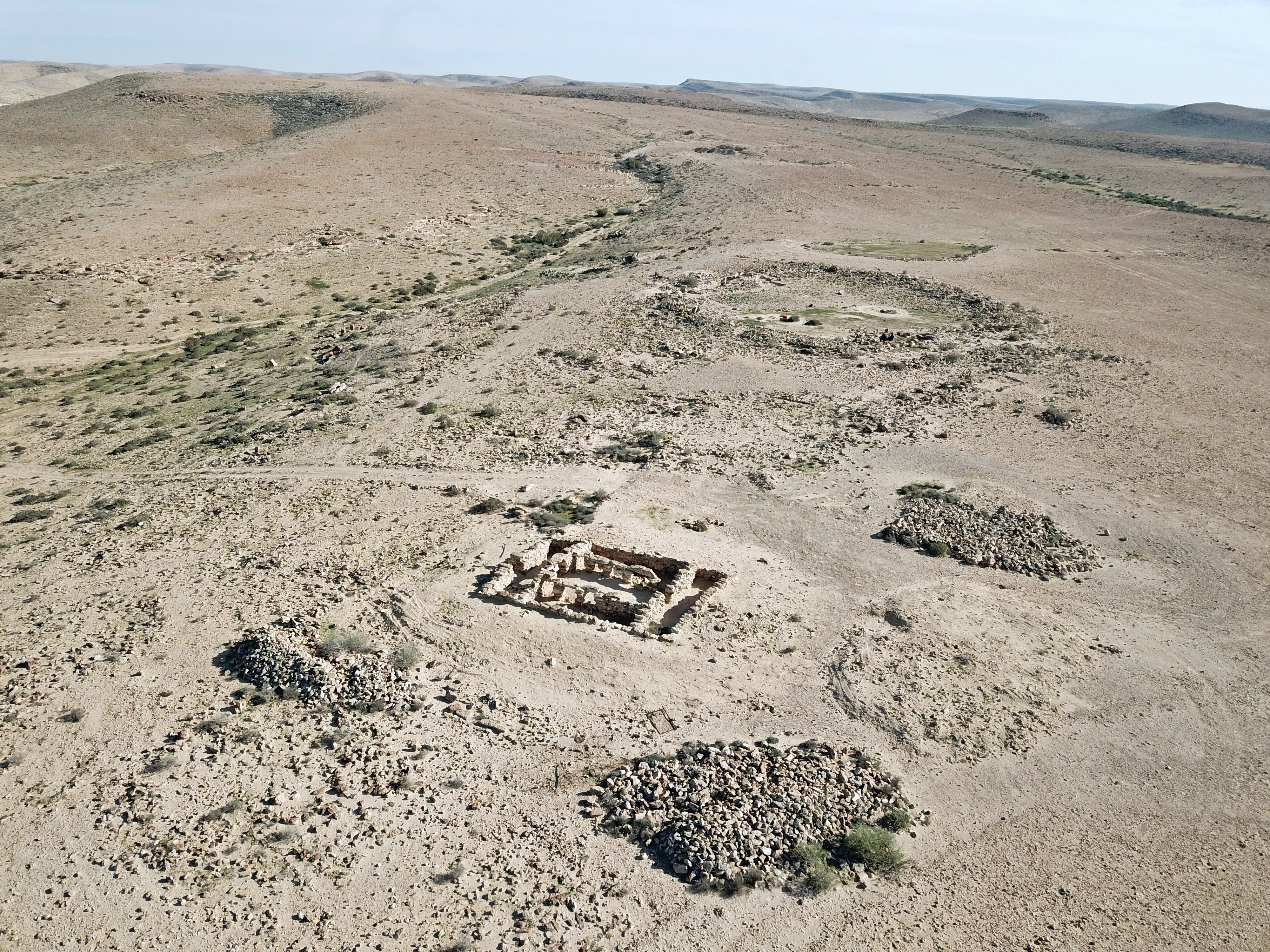
Mar 21, 2026
A Nabatean and Roman station, on the side of a desert trade route.
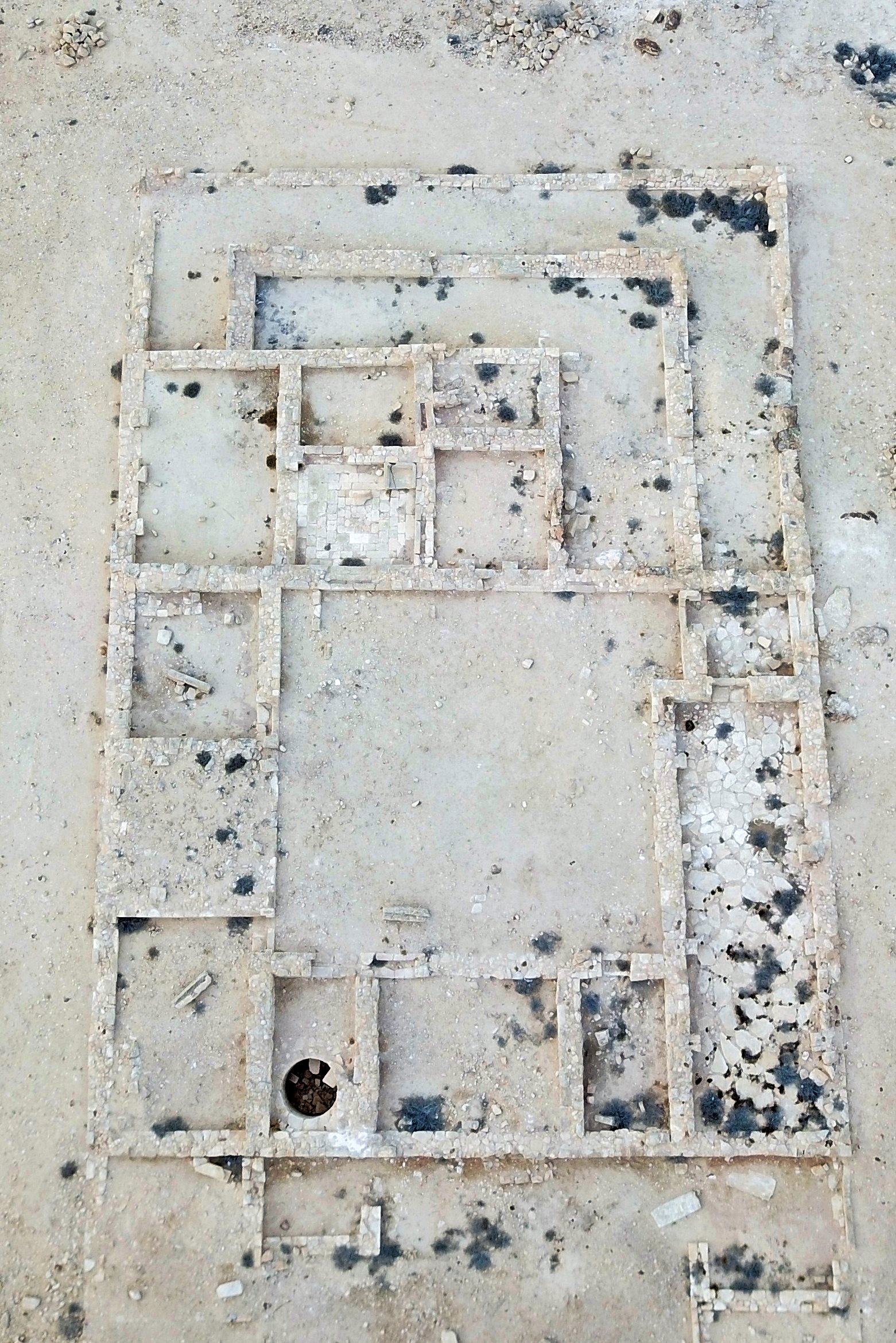
Mar 1, 2026
Nabatean/Roman and Byzantine period desert fortress east of lake Yeruham.
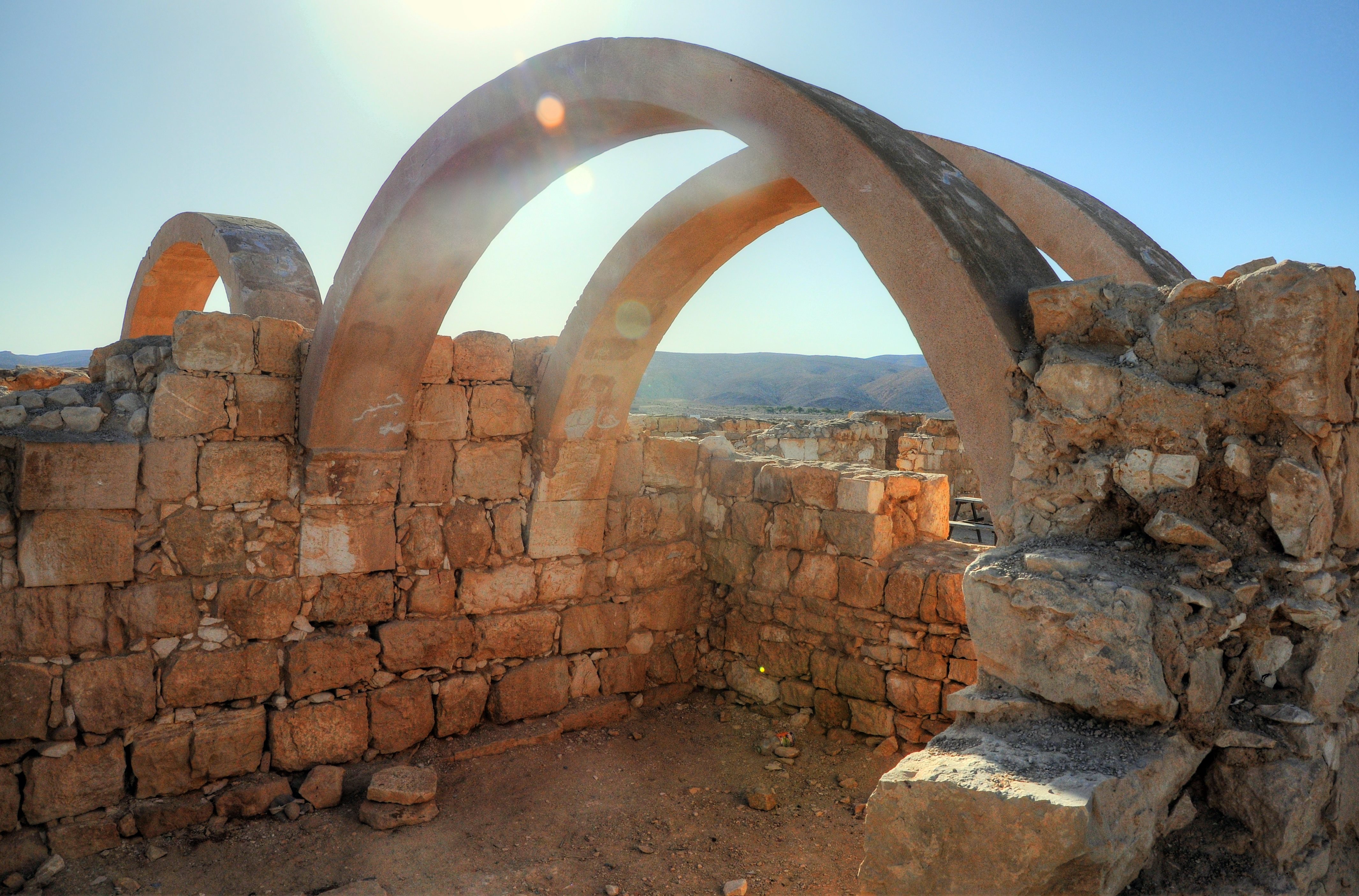
Mar 9, 2026
Newly discovered Iron Age II period desert fortress east of Yeruham.
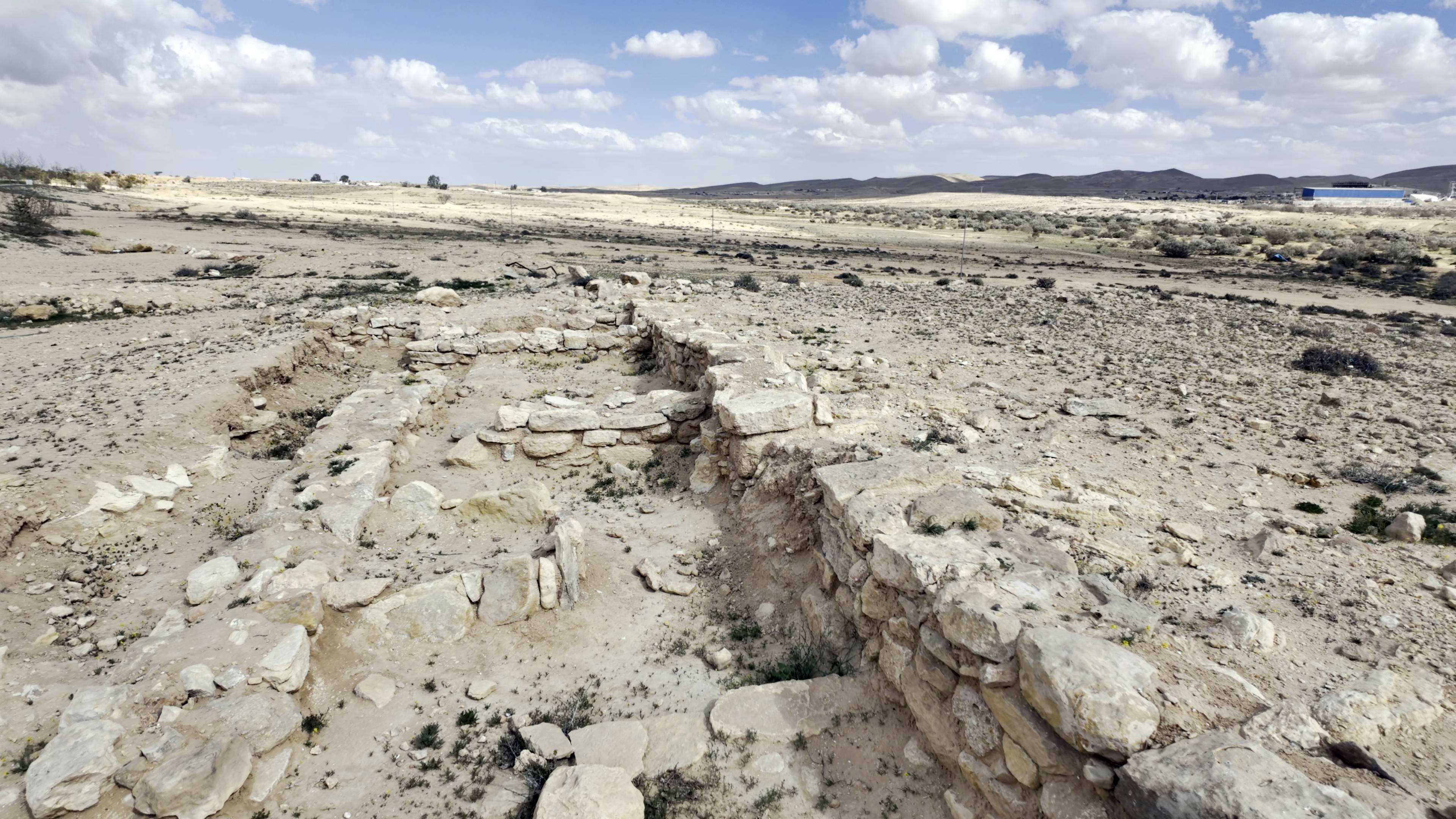
Feb 3, 2026
Horvat Gedora is located on the side of the coastal section of the ancient Via Maris road, south of Afek.
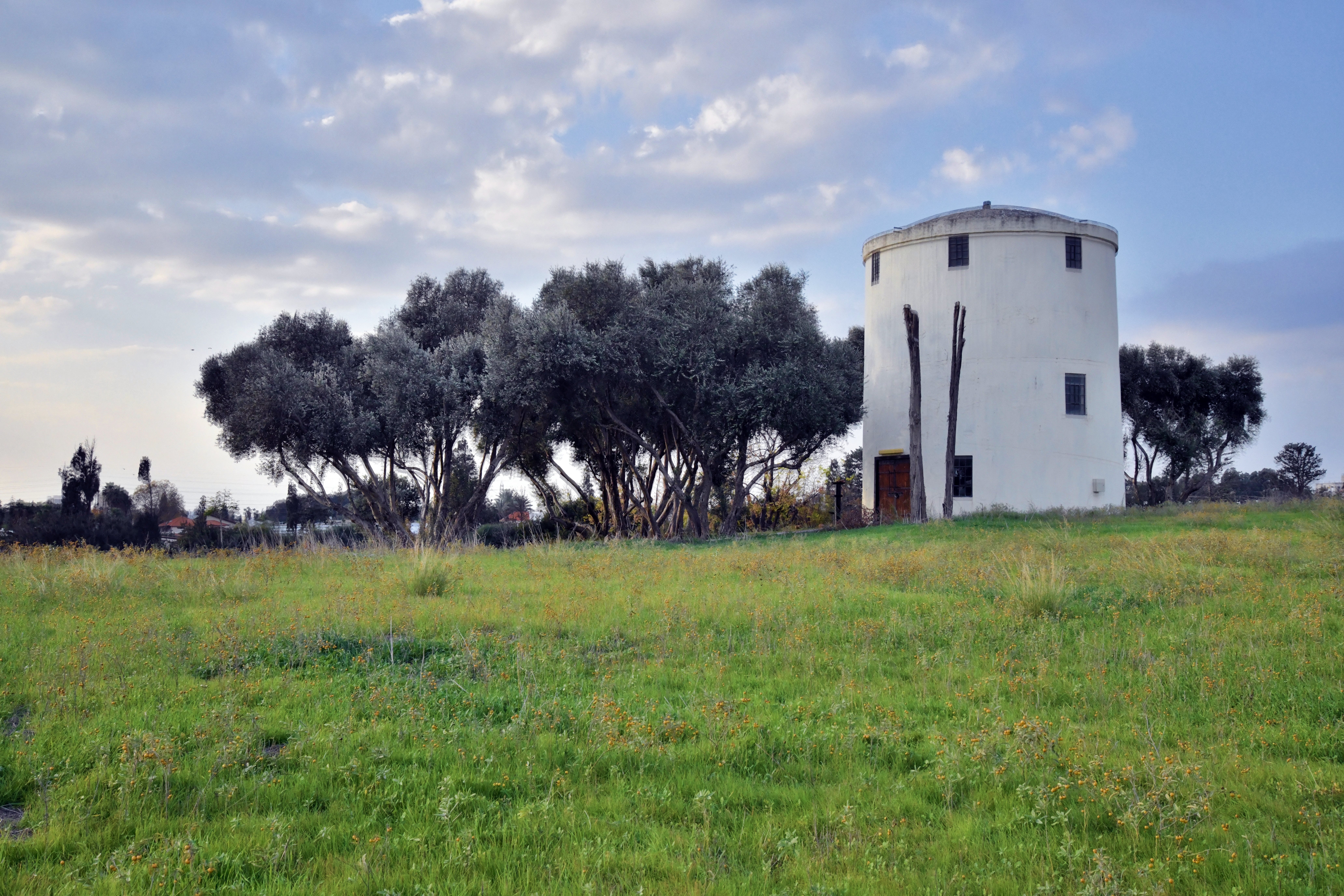
Jan 8, 2026
Ruins of a large fortified Iron Age city south of ‘Aujah Valley (Nahal Yitav).
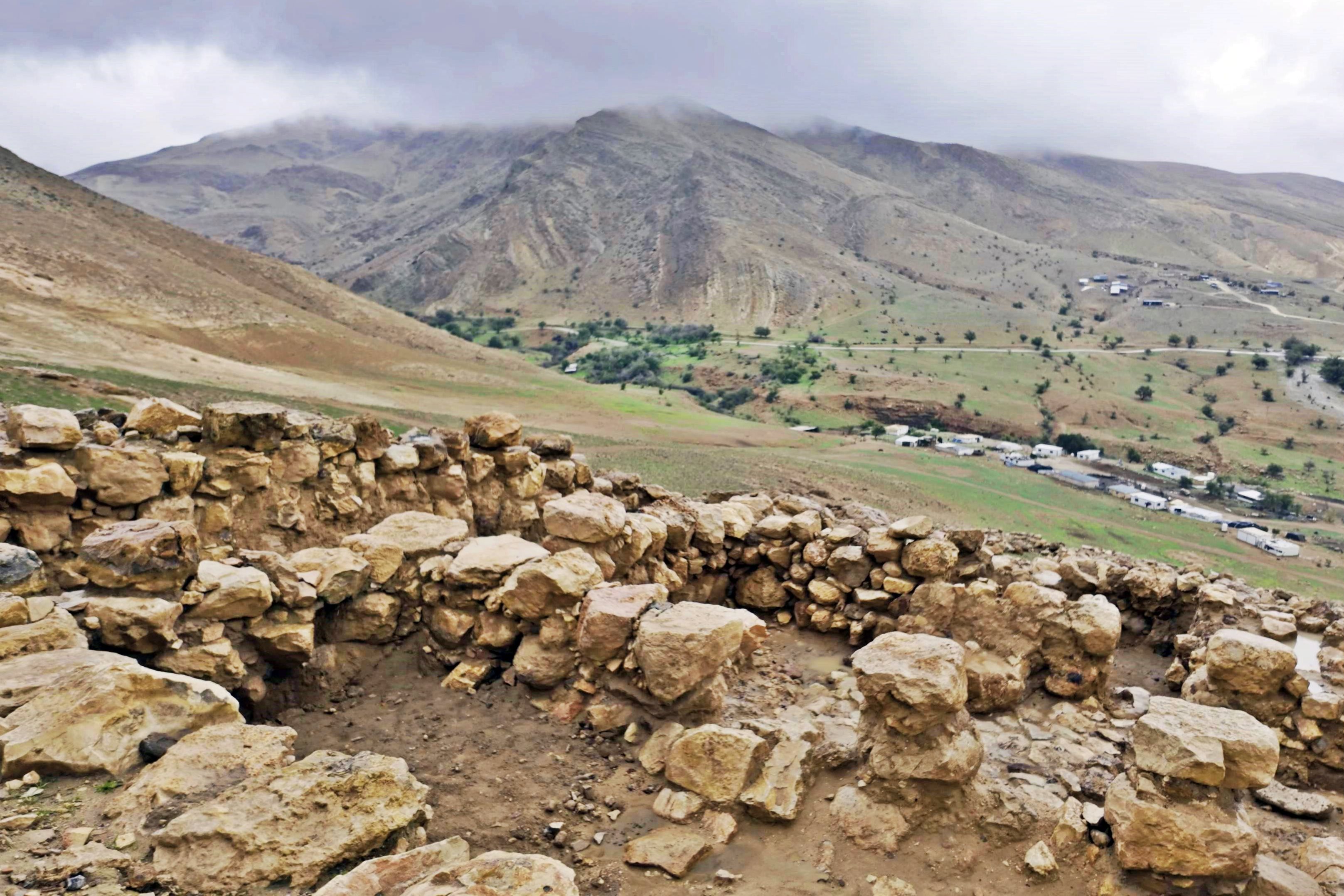
Dec 12, 2025
Ruins of a Bronze/Iron Age and Roman/Byzantine settlement north west of Menahemiya.
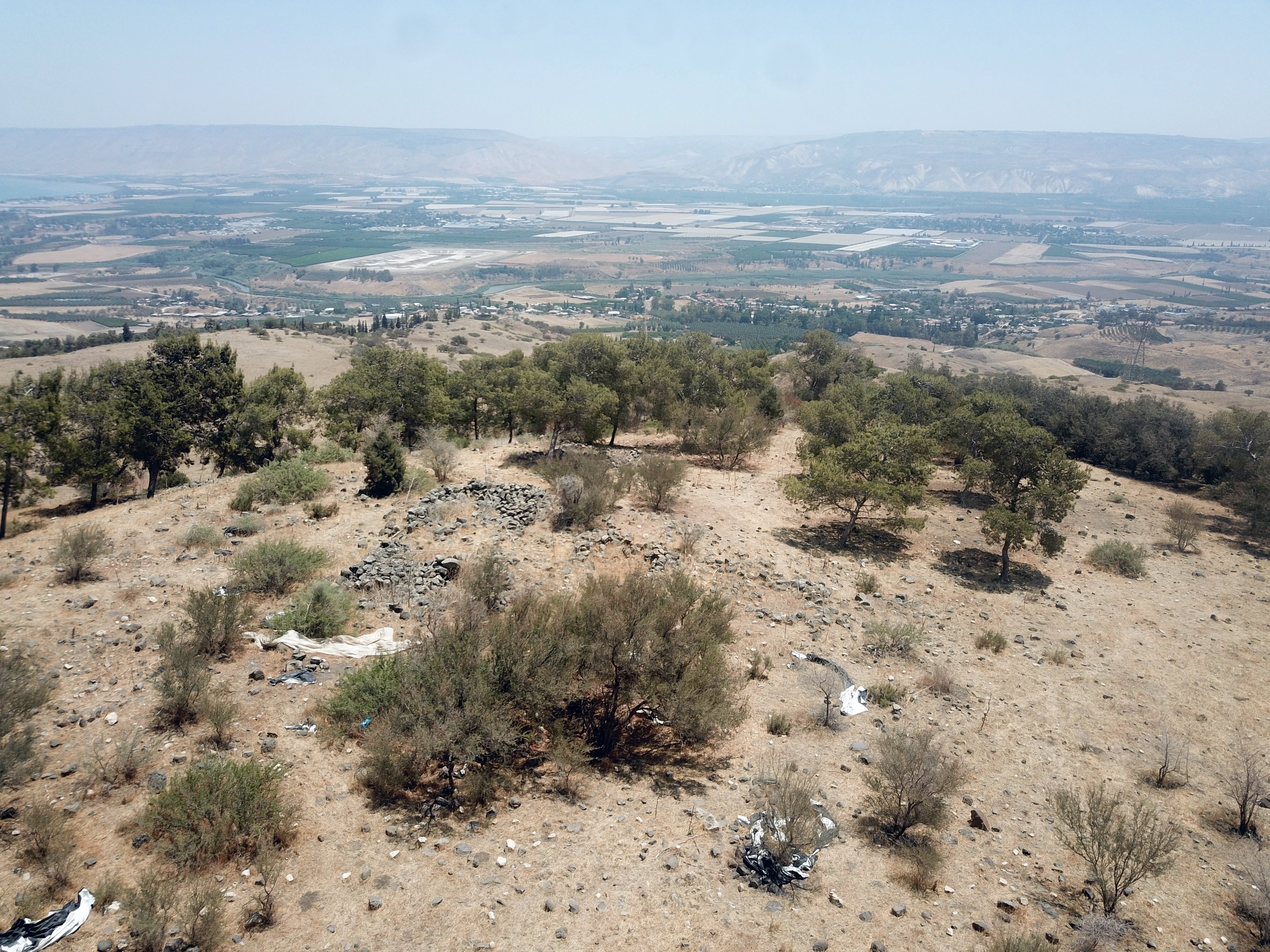
Dec 2, 2025
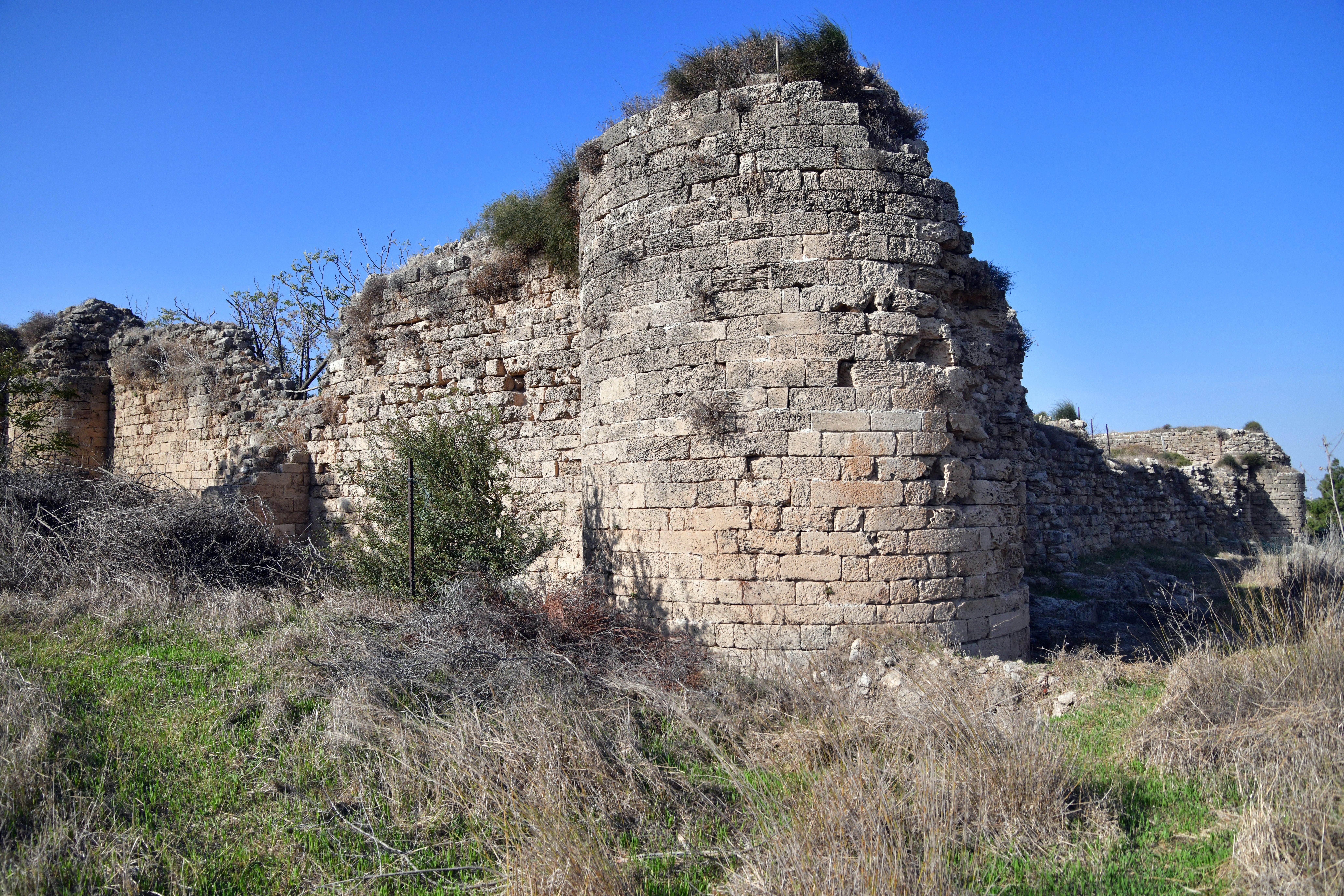
Oct 29, 2025
A multi-period site with a Crusader fortress on Mt. Carmel.
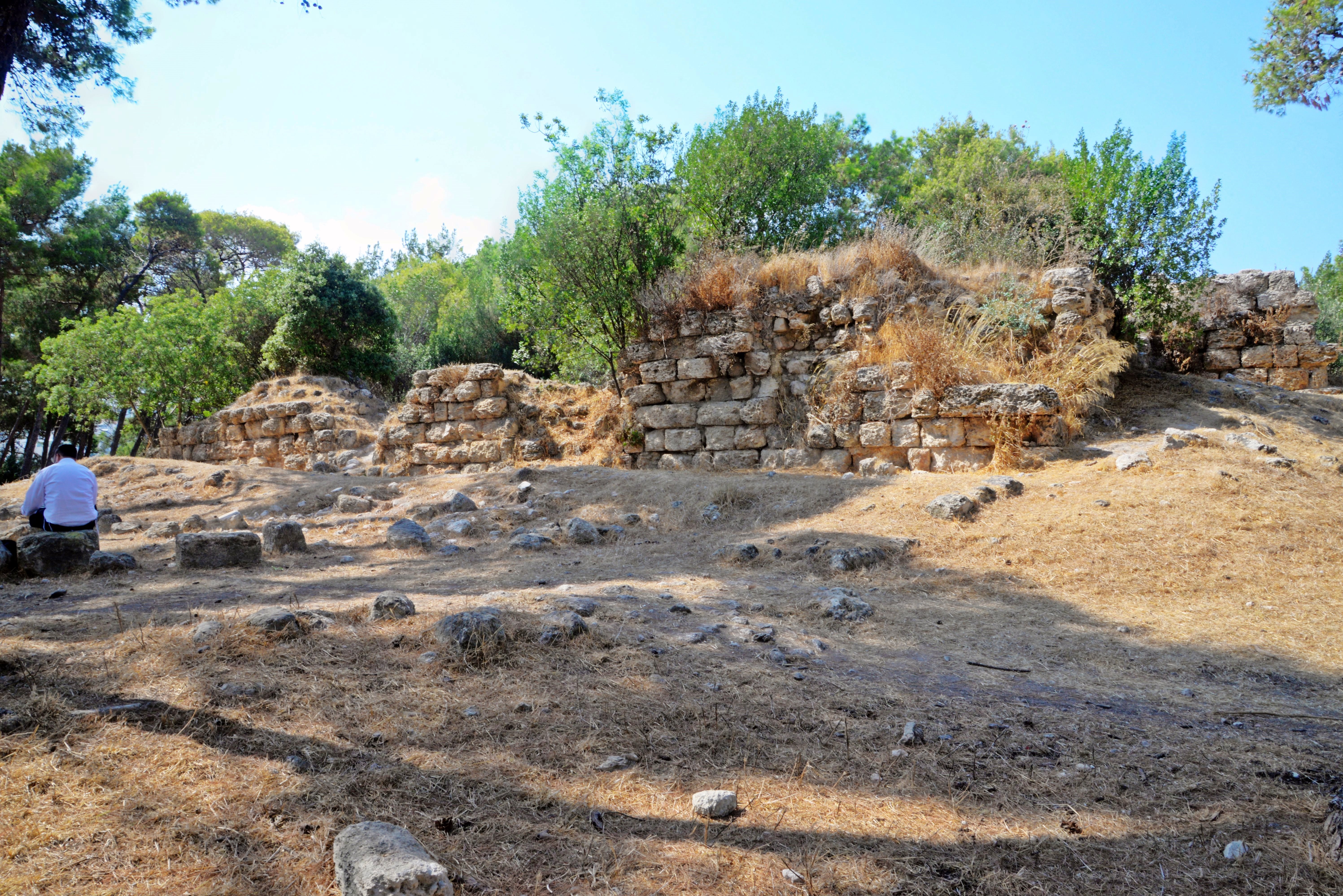
Oct 1, 2025
Multi-period site on the foothills of Poriya ridge, overlooking the Sea of Galilee. Hometown of Barak son of Abinoam?
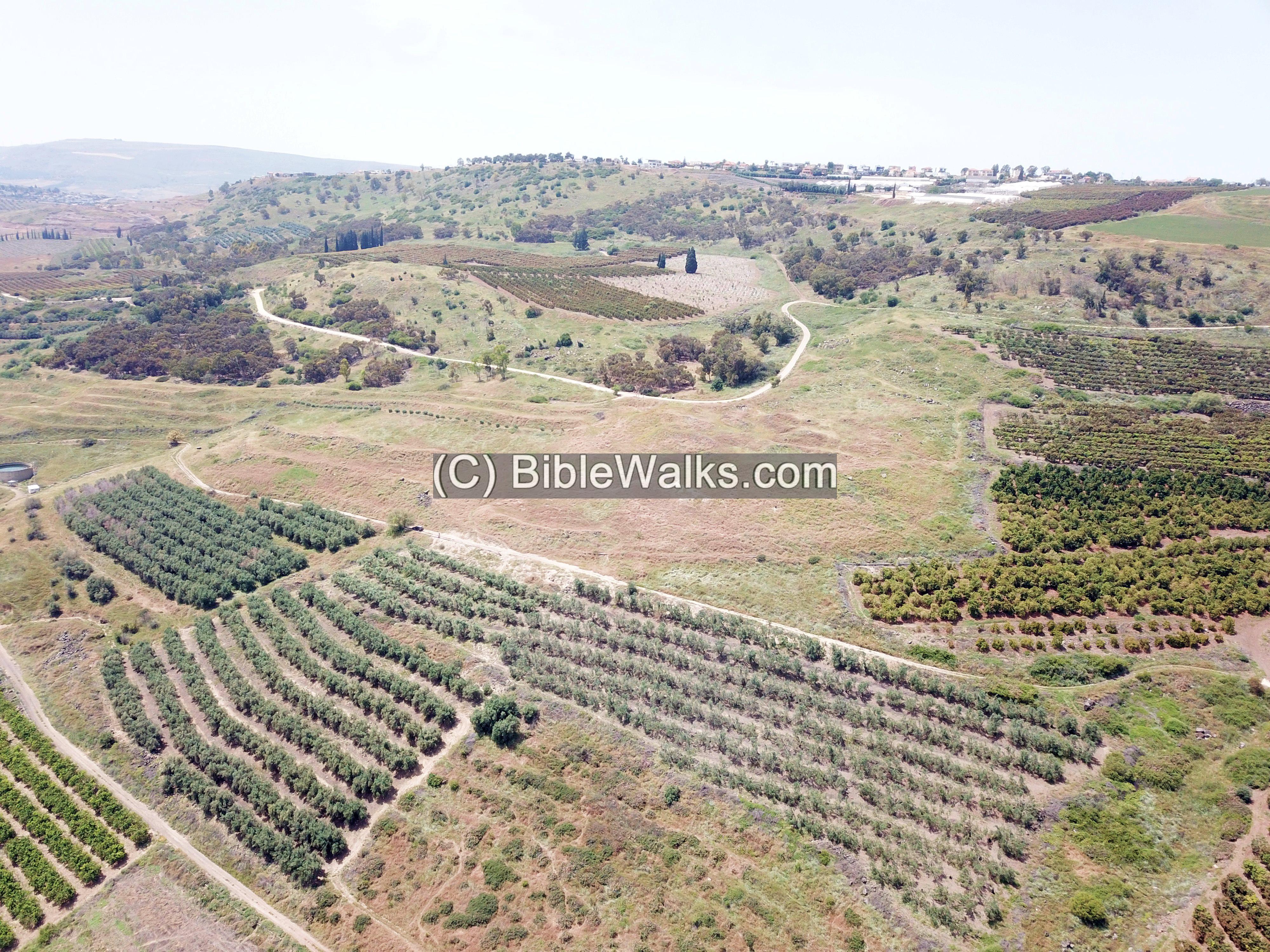
Sep 13, 2025
A multi-period ruin, strategically positioned in the Yavne’el Valley. It is identified as Biblical Jabneel, a southern border town of the Naphtali tribe.
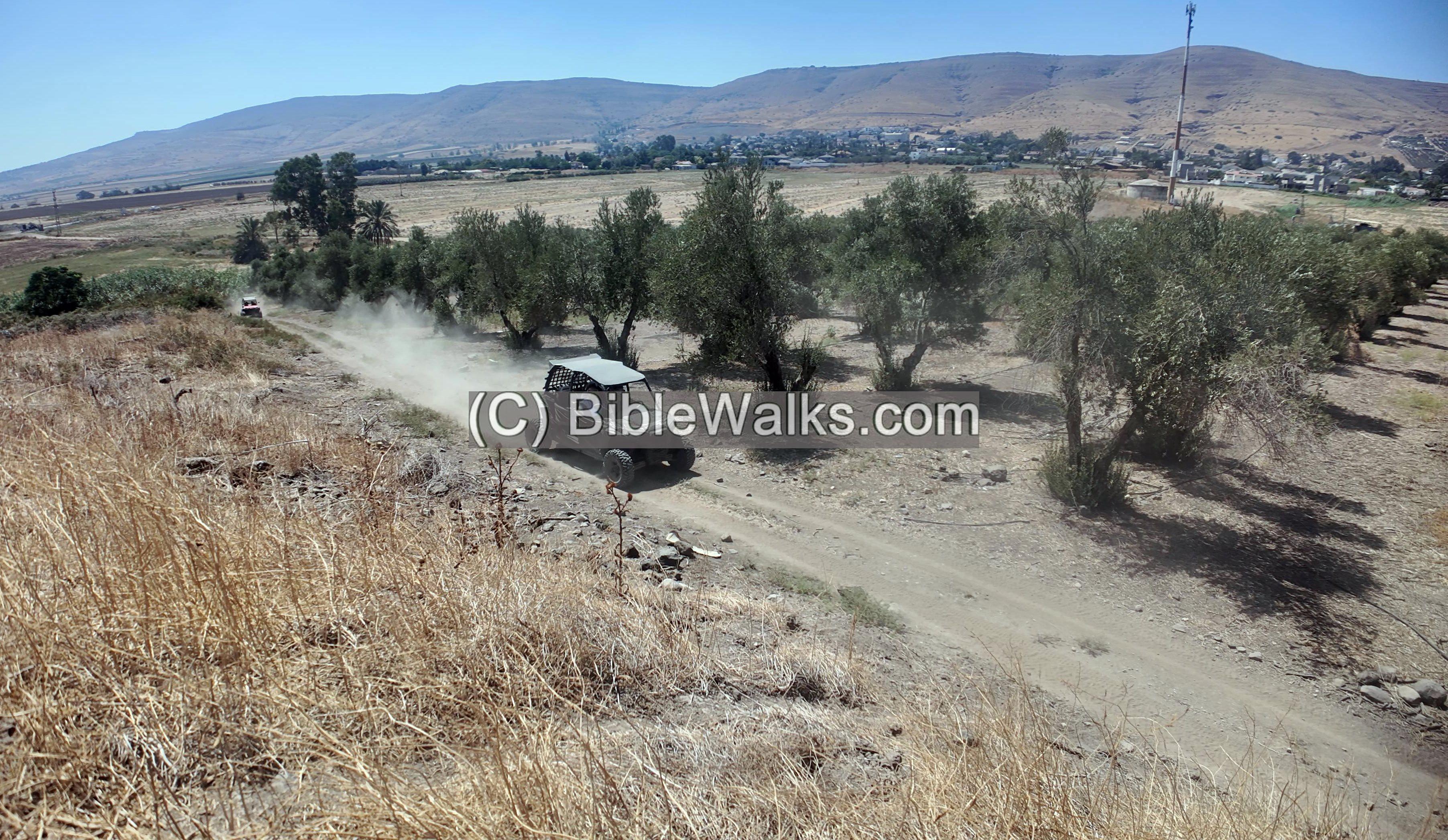
Sep 1, 2025
Ruins of a Persian/Hellenistic period settlement, where an important Hellenistic stele were found .
Aug 22, 2025
Tiberias Bathhouse, Basilica, Miriam’s Well
New sites added in Tiberias Roman/Byzantine city area.
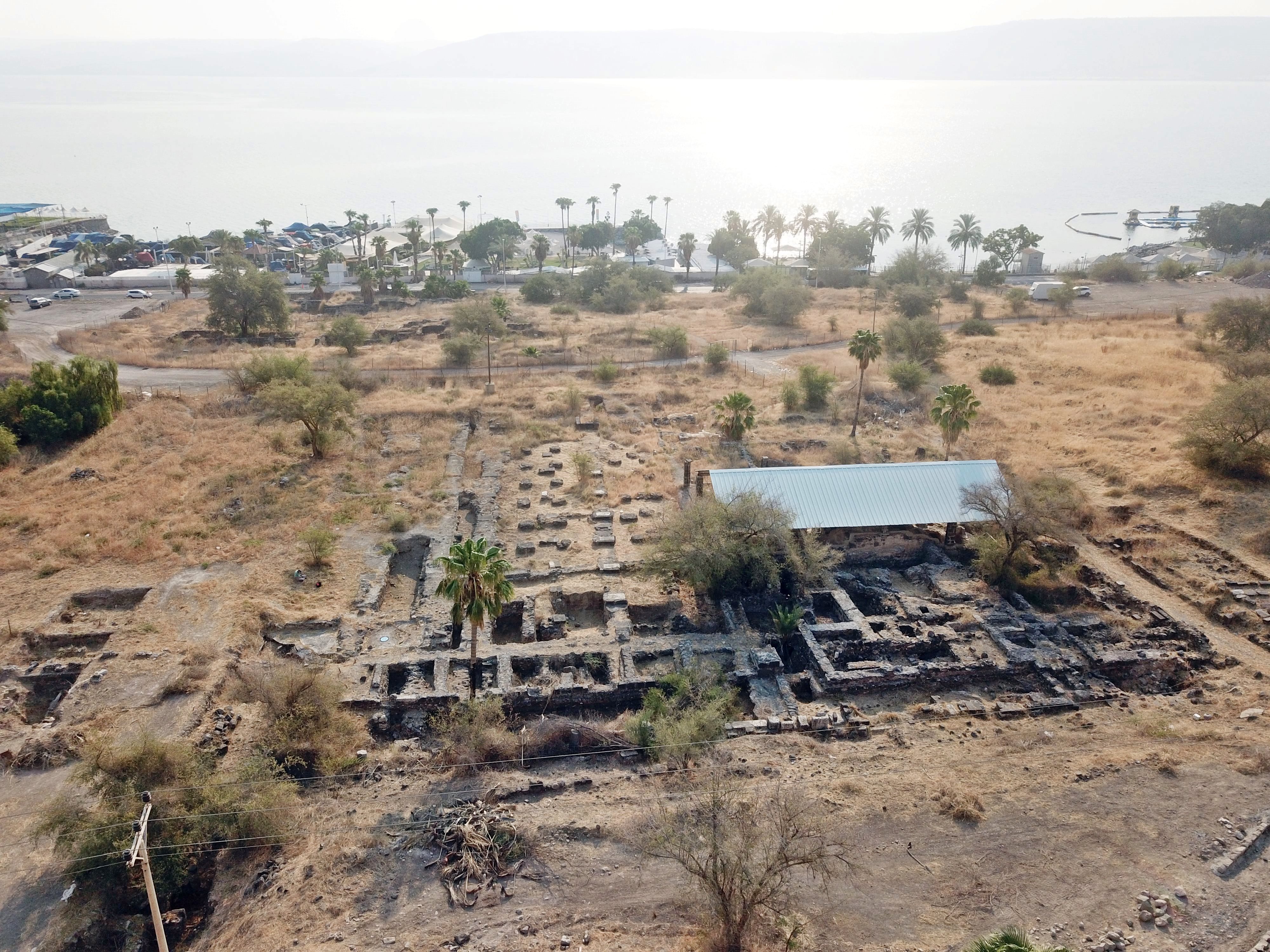
Aug 5, 2025
Ruins of a Bronze/Iron Age mound and Roman/Byzantine settlement north west of Menahemiya.
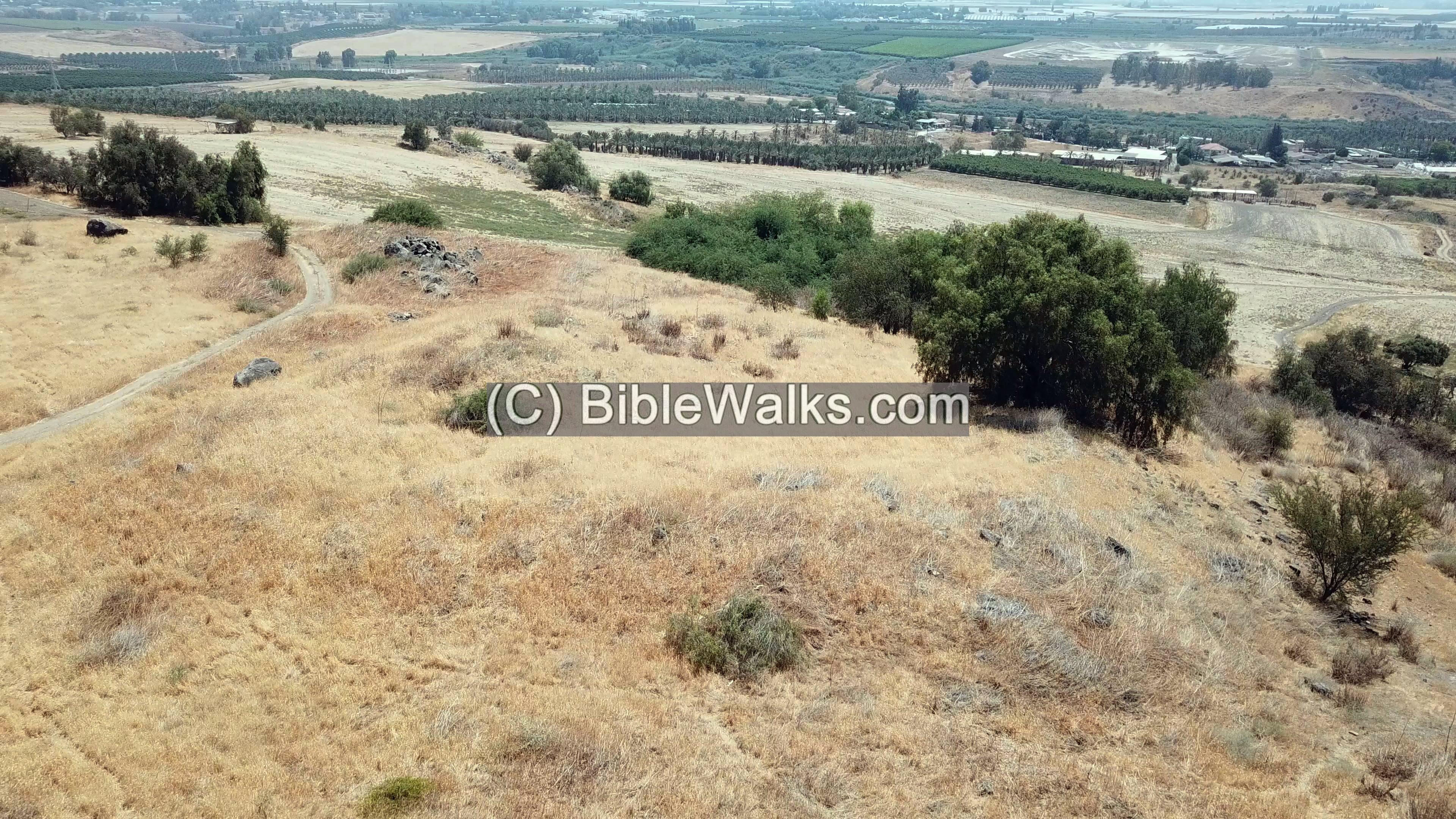
June 23, 2025
This overview page presents ancient sites in the area of the modern city of Rosh Ha-Ayin.
Mar 25, 2025
Mizpe Elot (esh Sheikh Muzeighit)
Ruins of a Bronze/Iron Age site and observation place west of Menahemia.

Mar 12, 2025
The impressive Arbel cliff overlooks the Sea of Galilee. Its large sets of caves were used for shelter and as a fortress.

Feb 7, 2025
Ruins of the Roman/Byzantine period village, located on the shores of the Sea of Galilee. This could have been Bethsaida, the site of Jesus’ two miracles.
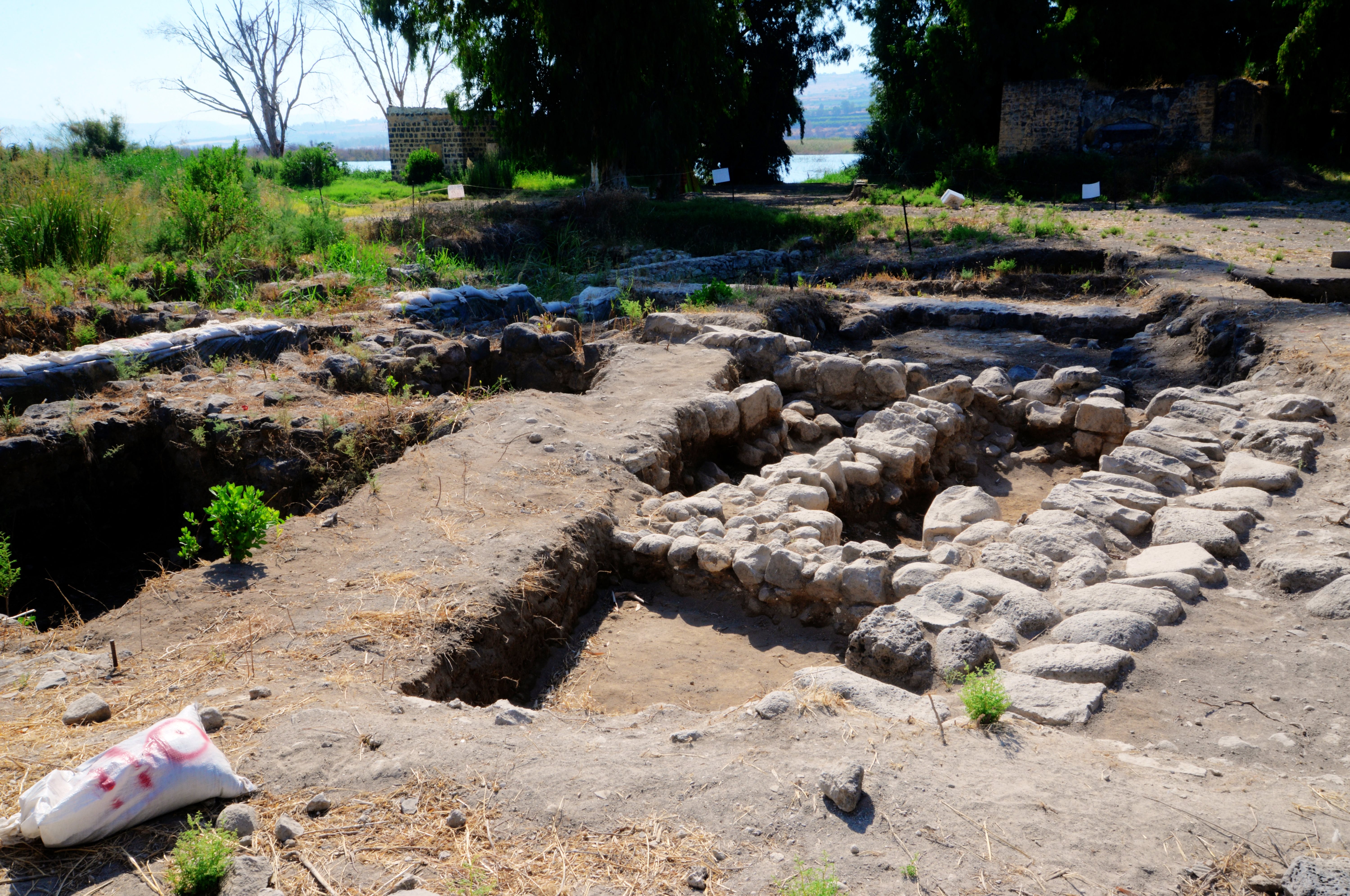
Nov 30, 2024
Giv’at Yonathan (Jonathan Hill) is the site of an ancient walled city dating back to the Bronze and Iron Ages, located on a low projecting spur of Mount Gilboa.

Nov 19, 2024
Horvat Nurit (Kh. Nuris) is a multi-period archaeological ruin, situated on the northern foothills of Mt. Gilboa.
Oct 21, 2024
An Iron Age and Roman/Byzantine ruin, on the top of a commanding hill, south of Cross-Samaria road.
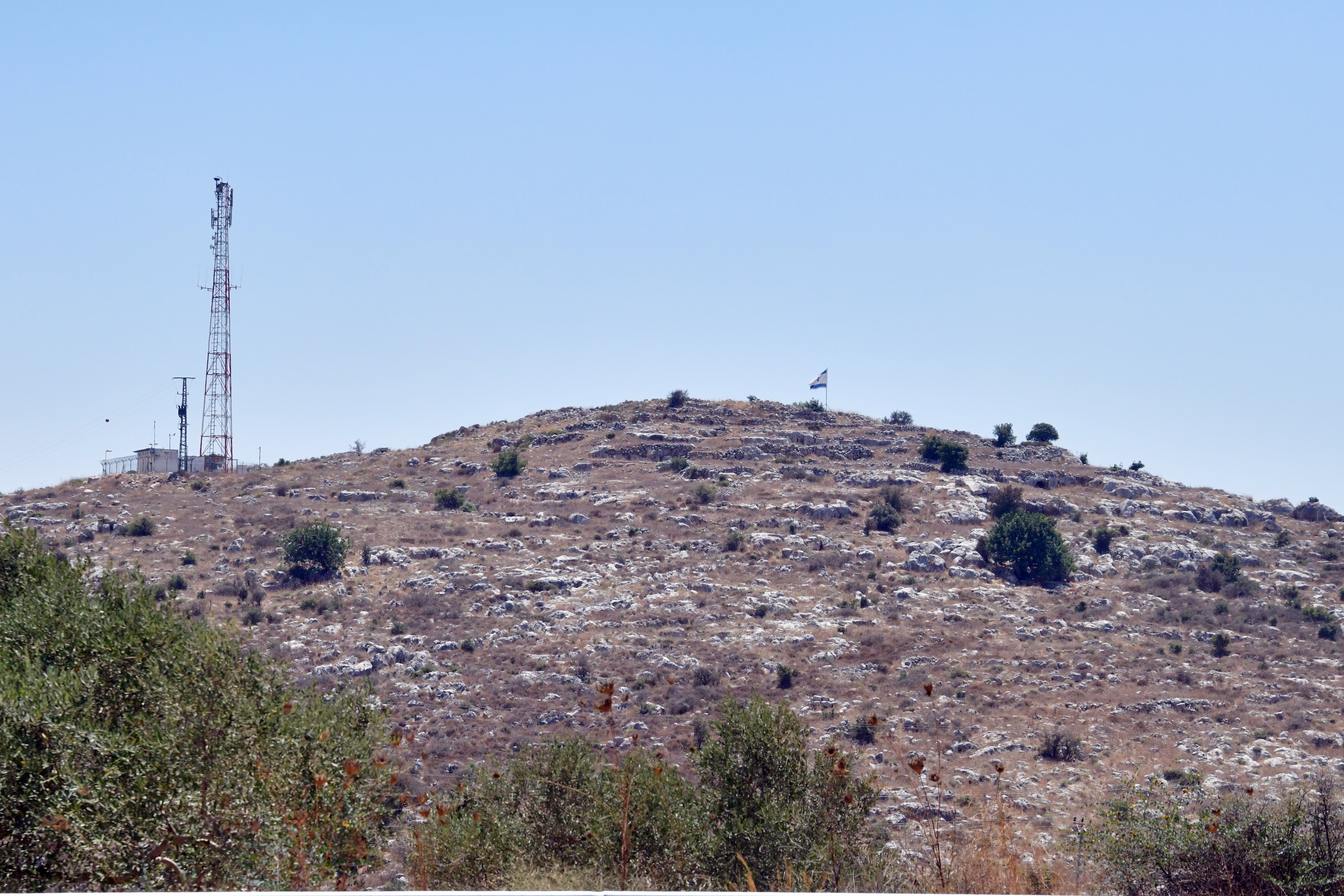
Oct 18, 2024
A karst system cave in central Samaria, used as a refuge place over thousands of years.

Sep 28, 2024
Tel Iztabba was the northern extension of ancient city of Beit Shean during the Byzantine period, and the main area of the Hellenistic city, Scythopolis.

Ruins of an Iron Age fortress and a Byzantine period monastery west of Menahemia.

Sep 23, 2024
Horvat Kush is a multi-period settlement in ruins, strategically positioned with a commanding view of the Yavne’el Valley. It is identified as Biblical Lakum.
Sep 21, 2024
Tel Amal Sakhne
A spring, park and multi-period archaeological mound on the foothills of Mt. Gilboa.

Sep 5, 2024
Search for the location of “Aenon near Salim”, where John the Baptist was baptizing people. (John 3, 23): “Now John also was baptizing at Aenon near Salim, because there was plenty of water, and people were coming and being baptized”.

Aug 19, 2024
Tel Shalem (Tell Salim, Tell er Radghah)
An ancient mound, located in the Jordan valley near a bountiful spring.

Aug 10, 2024
Horvat Baat (Khirbet el Bawati)
A ruined village dated to the Roman/Byzantine and Early Arab period. Located near Kibbutz Hamadia, on the side of the imperial Roman road from Tiberias to Beit She’an Scythopolis.

July 28, 2024
Tell Sheikh edh Dhiab and Rujm abu Mukeir
Tell Sheikh edh Dhiab – Iron Age mound, on the eastern section of Fazael brook; Rujm Abu Mukheir – Iron Age round fortress that protected the road to Samaria.

Apr 11, 2024
Ruins of a Persian period fortress in the city of Beitar Illit.

Feb 27, 2024
Ruins of a Israelite period desert fortress on the bank of Nahal Zin, near Mt. Eldad
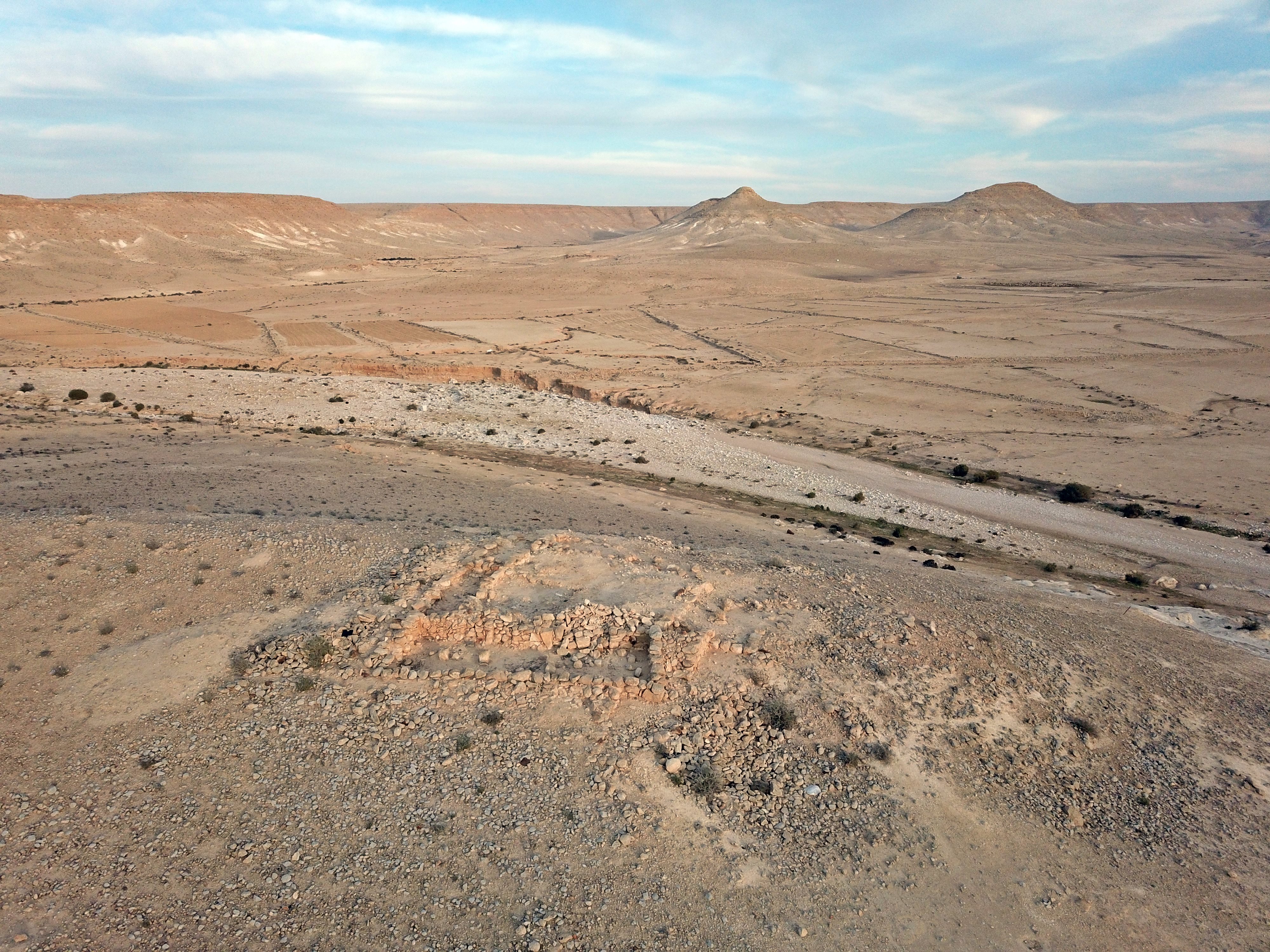
Jan 8, 2024
A new site was added in the Beit Jann page: Horvat Shfanim (Kh. Shufnin): Ruins of the large fortified Bronze and Iron age village are located on a hill, 0.5KM east of Beit Jann. It may have been the Biblical village of “Beth-Dagon” of the Galilee.
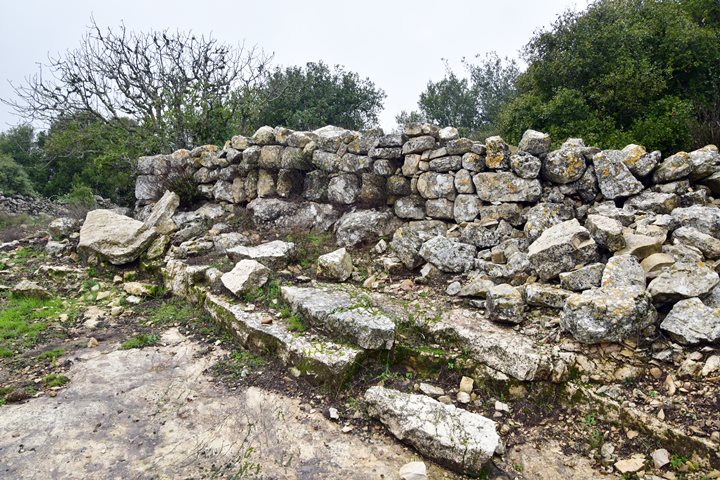
Dec 20, 2023
Bronze/Iron age sites in the Jordan valley, on the route from Beit Shean to the Jordan river crossing at Sheikh Hussein. Including Tels Eshtori, Nimrod, Midrash, Zofim.
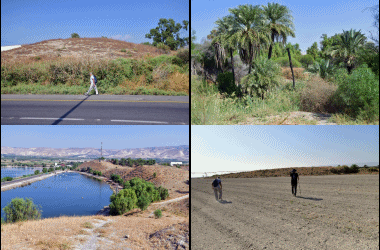
Oct 29, 2023
Two Bronze/Iron age sites in the Jordan valley, on the route from Rechov to the Jordan river crossings.
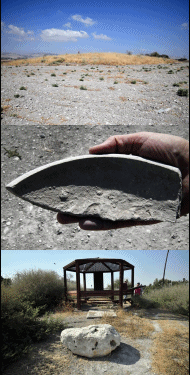
Oct 22, 2023
Tel Zemed, Tel Saharon and Tel Malluah
Ancient sites in the Jordan valley, en route from Beit Shean to the Transjordan city of Jabesh Gilead.

Sep 24, 2023
Prehistoric sites near ancient crossing of the Jordan river.
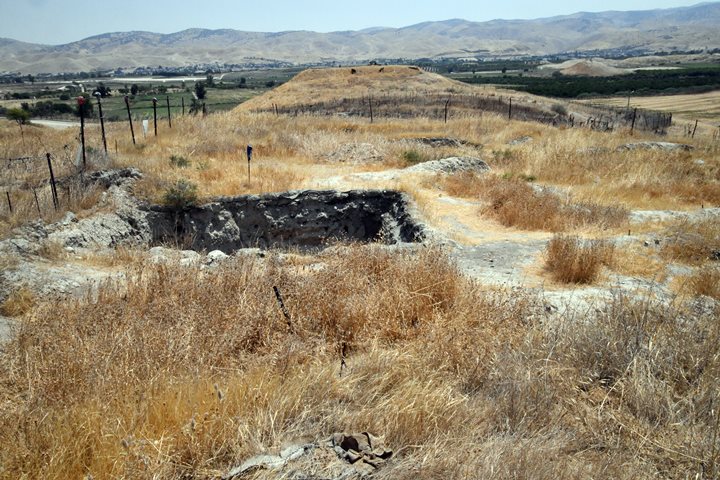
Sep 6, 2023

Horvat Menorah, Tirat Zvi
Ruins of a multi-period site north west of Tirat Zvi, with a mosaic floor decorated with a Menorah and Shofar. Nearby are additional sites.
Aug 27, 2023
This overview page provides a list of the sites included in the BibleWalks archaeological survey of the Jordan Valley and its surrounding vicinity.
Aug 13, 2023

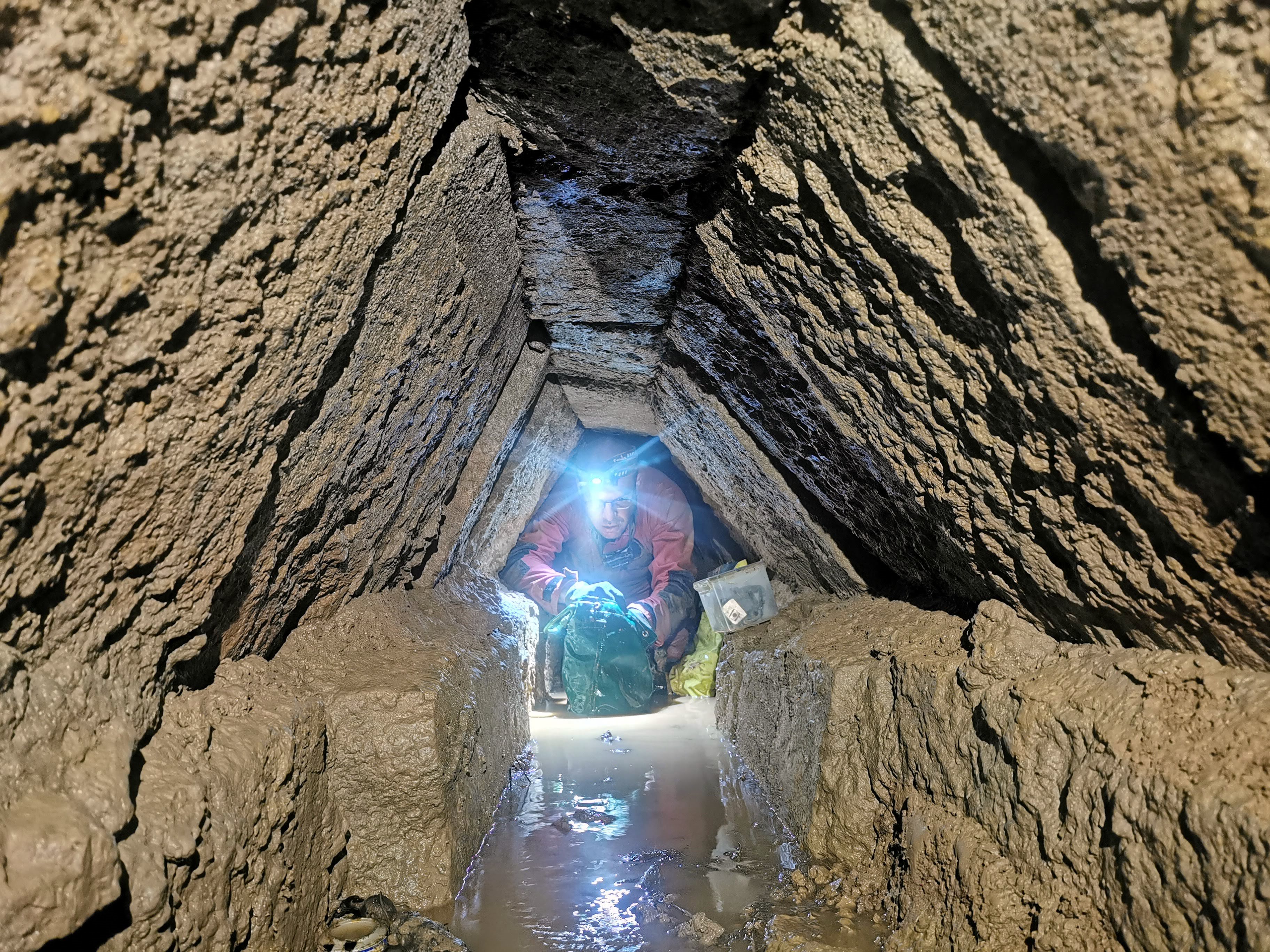
The Biyar spring and shaft tunnel – one of the sources of Solomon’s pools; fed the “Upper aqueduct” that supplied water to Jerusalem.
 Dec 23, 2022
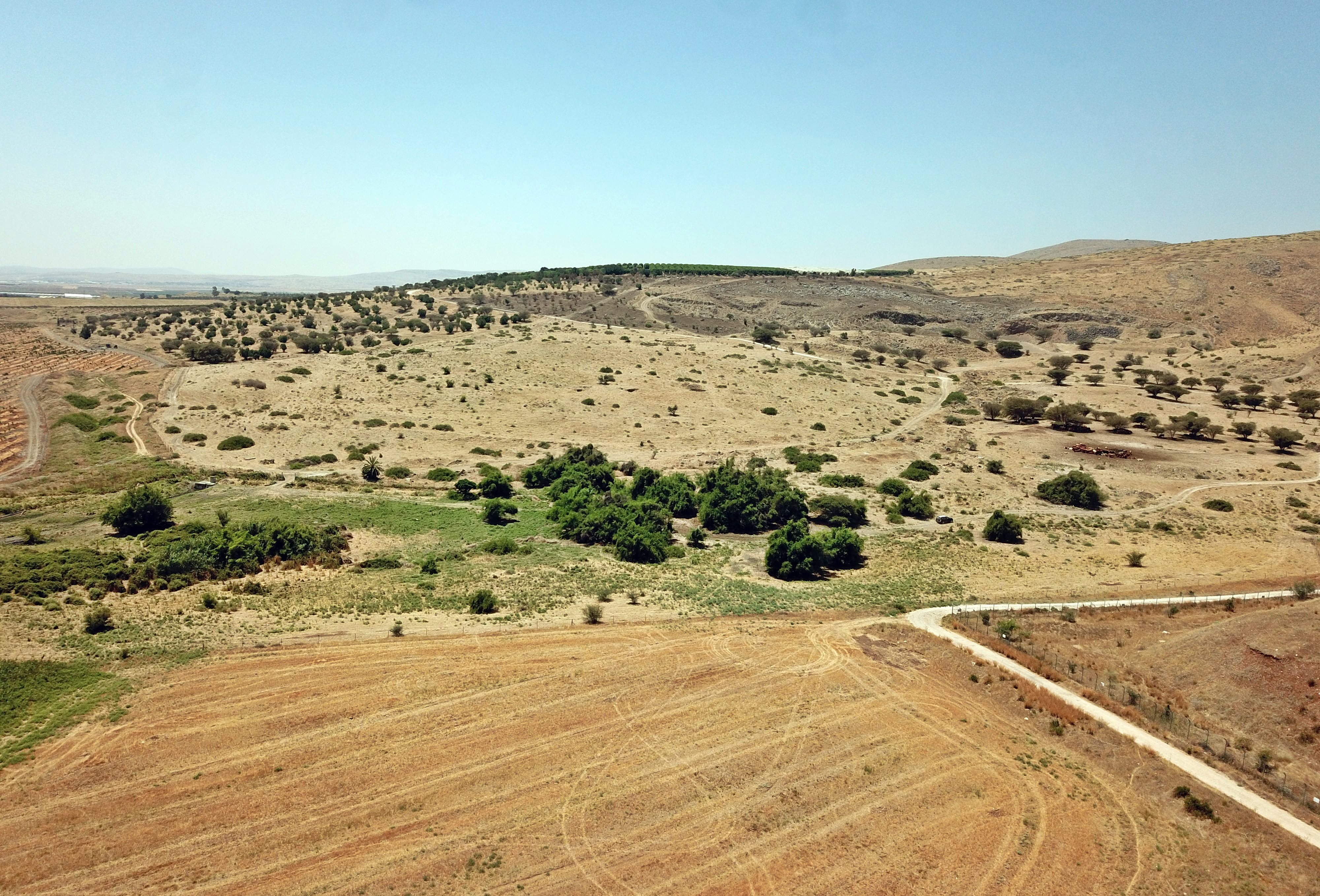
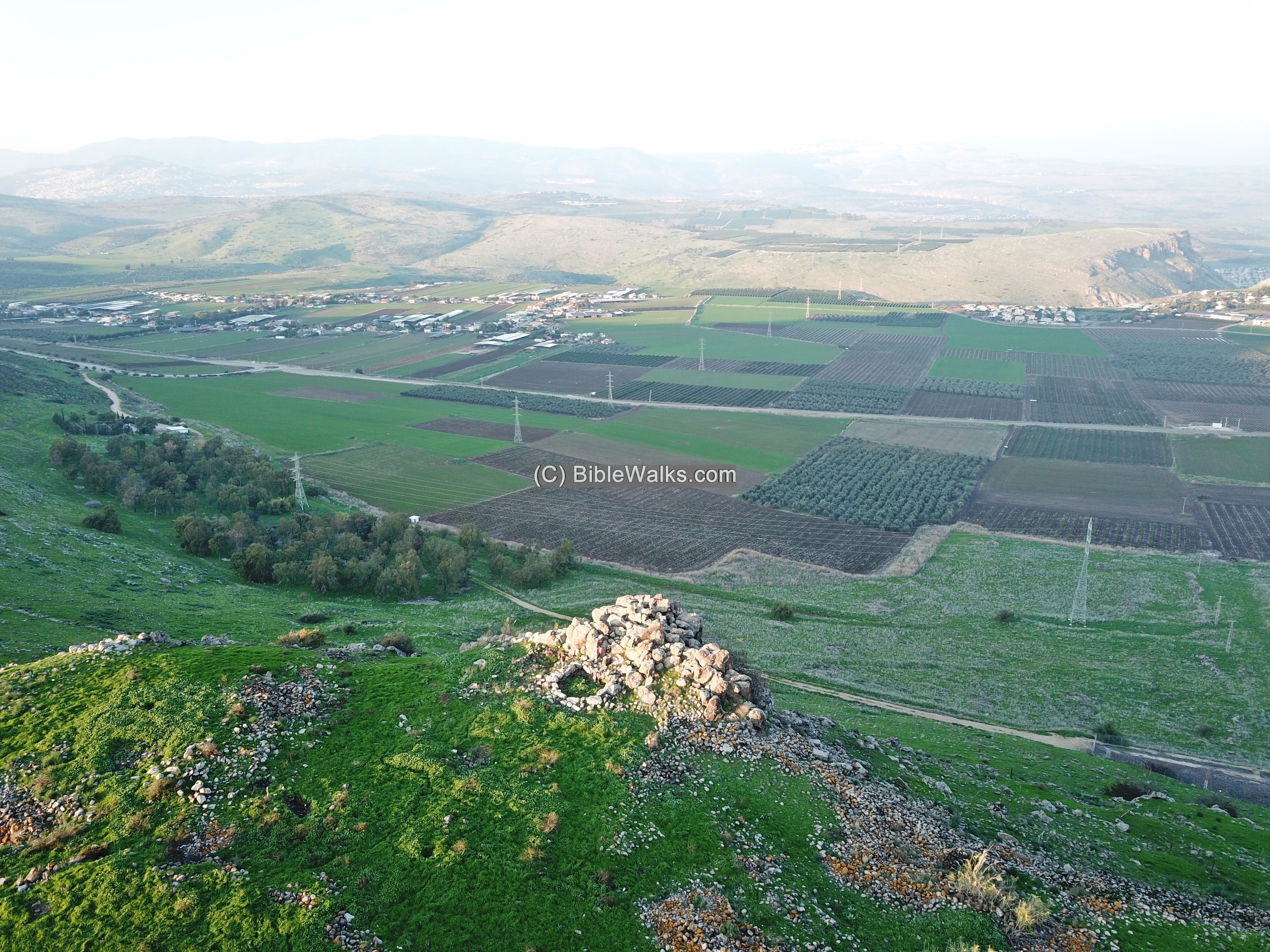
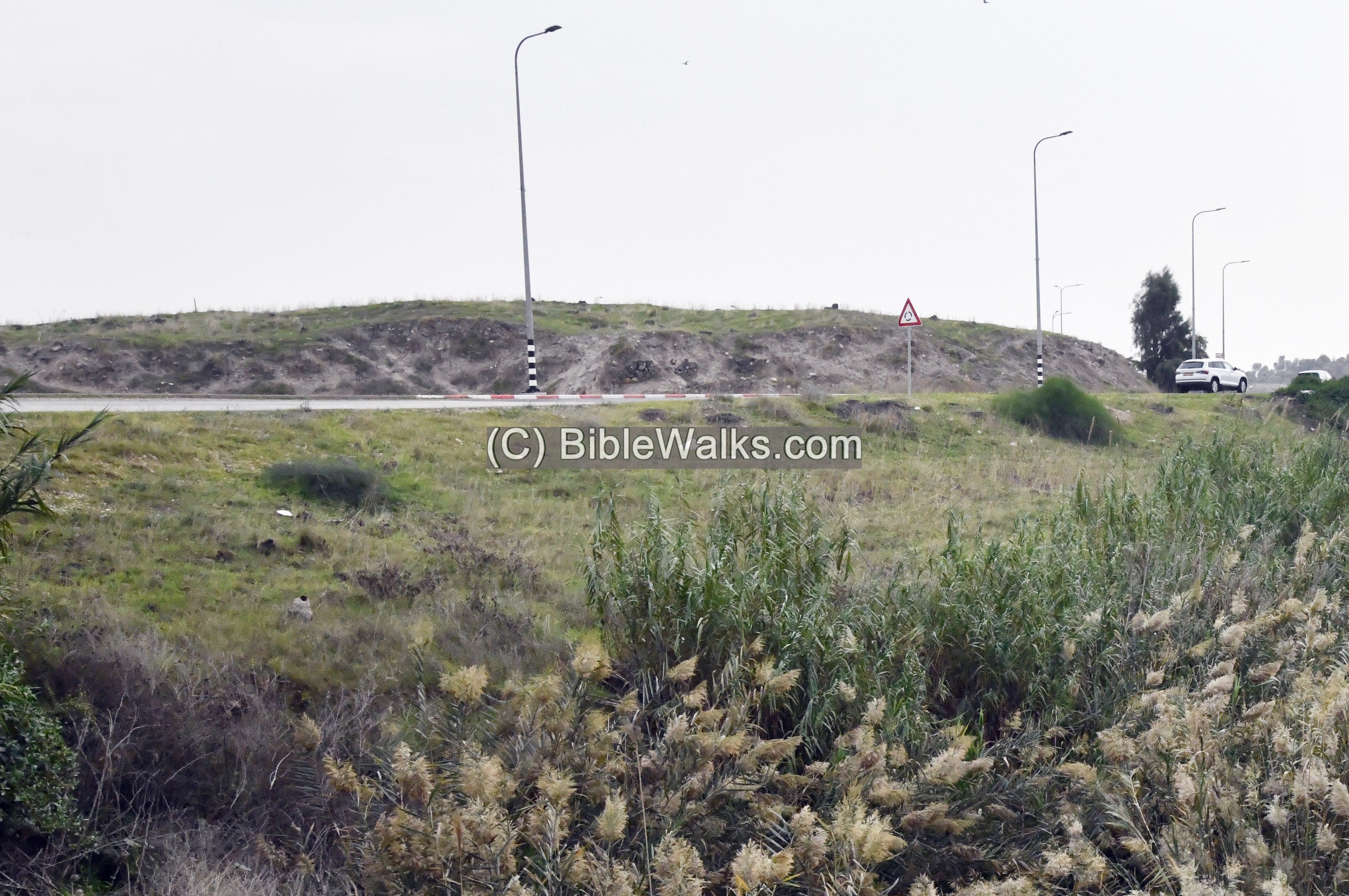
A huge megalithic monument, arranged in a crescent form, on a hillside above Kibbutz Parod.
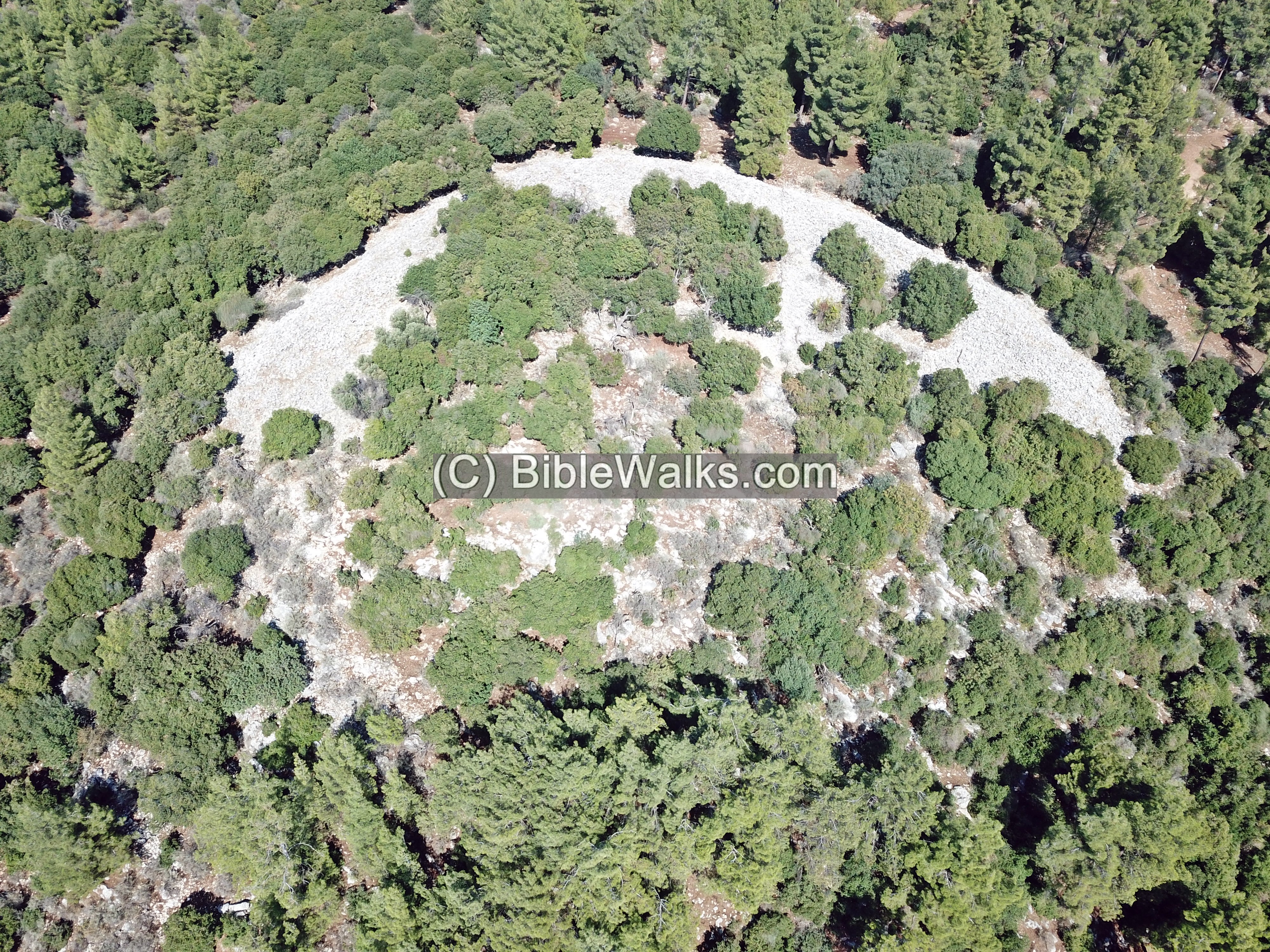
Biblical sites near an ancient crossing point of the Jordan river at the delta of Nahal Tabor.
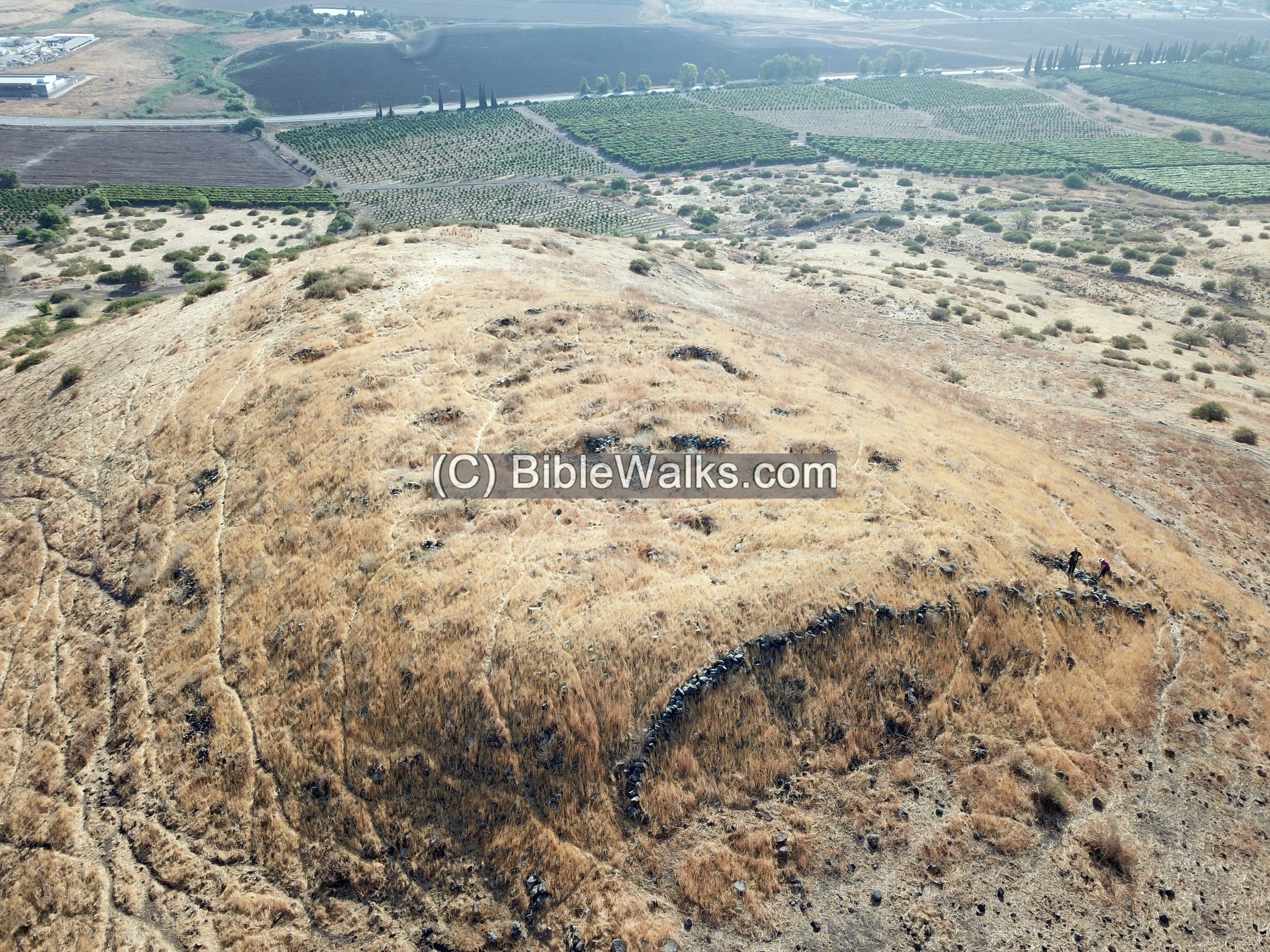
Multi-period sites of Qa’un, on the side of a major trade route.

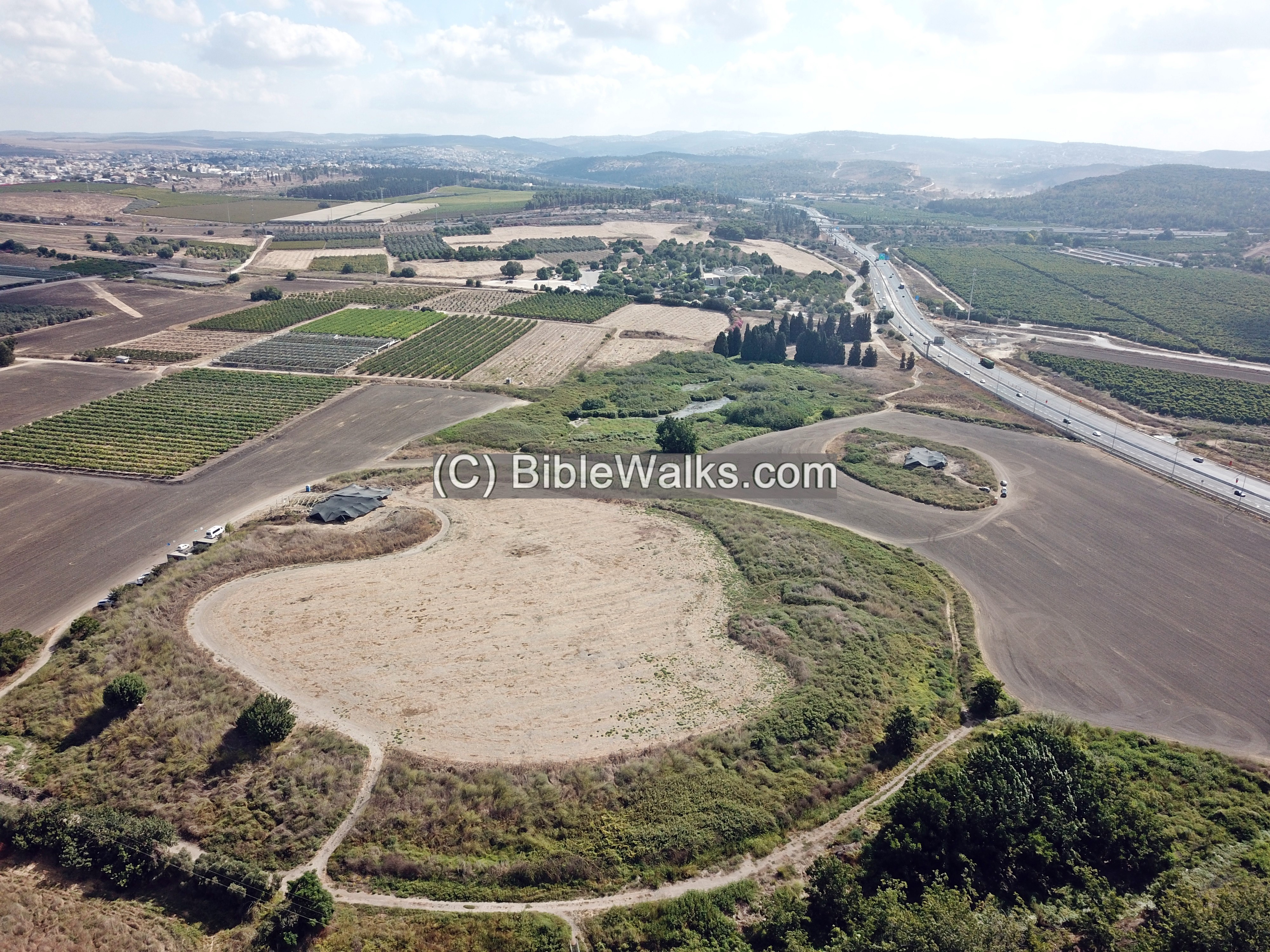

In the vicinity of Kfar Ruppin are many Biblical sites, located near a major crossing point of the Jordan river.
An impressive Biblical Tel located near the southern entrance to the Beit Shean valley.
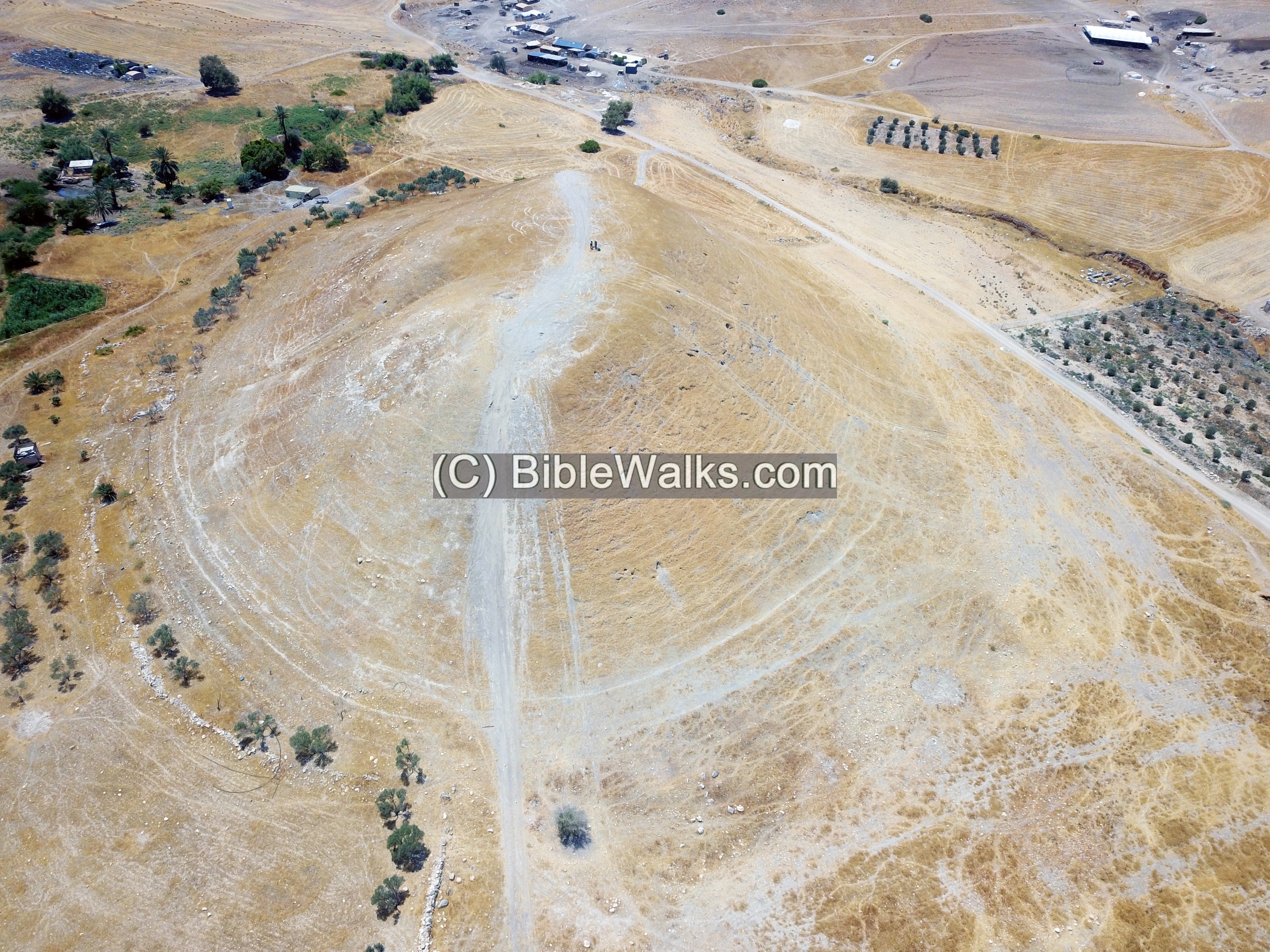
An artificial mound located in the central Jordan valley, that guarded a major crossing point of the Jordan river.
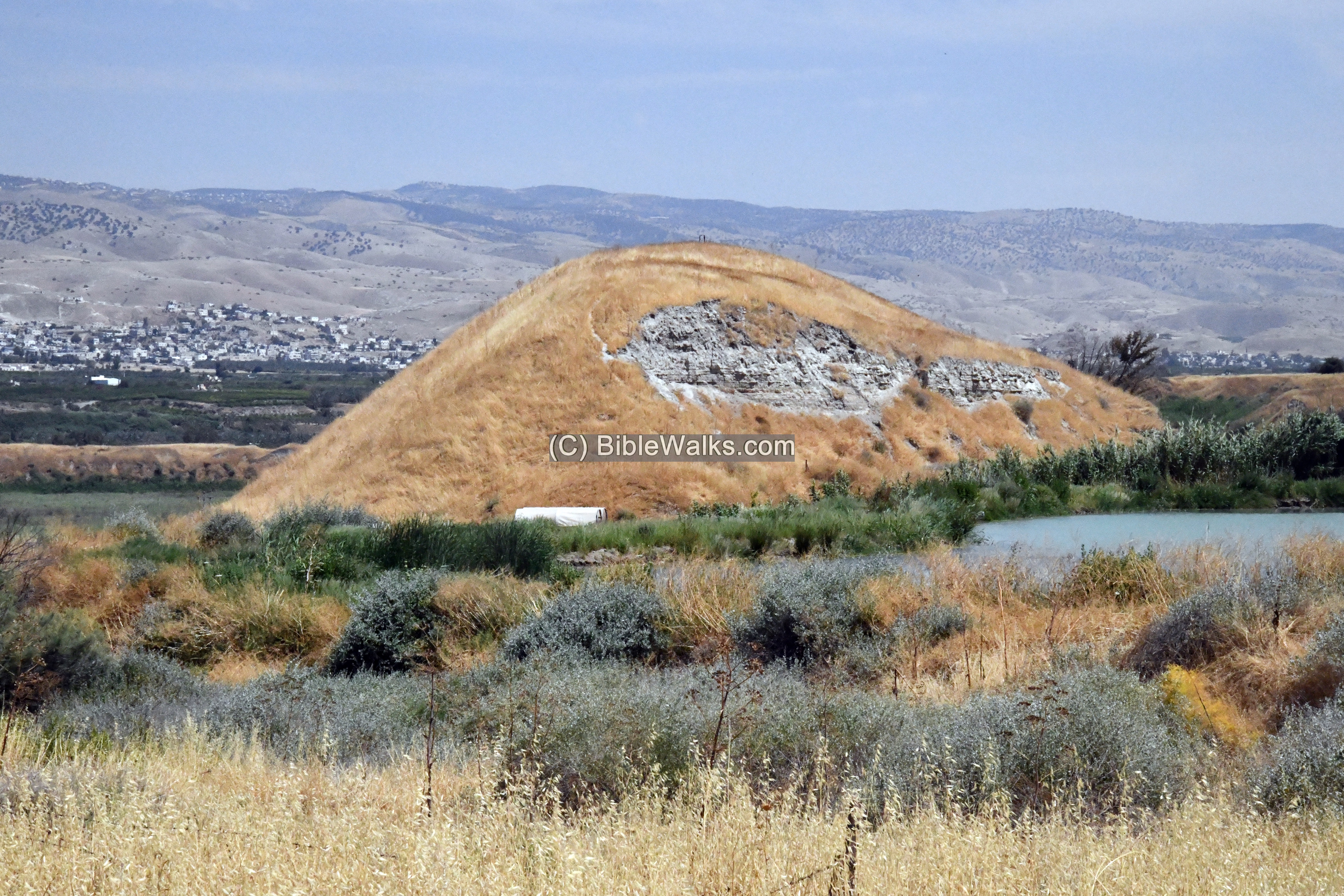
May 18, 2022
An artificial mound located in the Beit She’an valley, with remains from the Canaanite and Israelite periods.
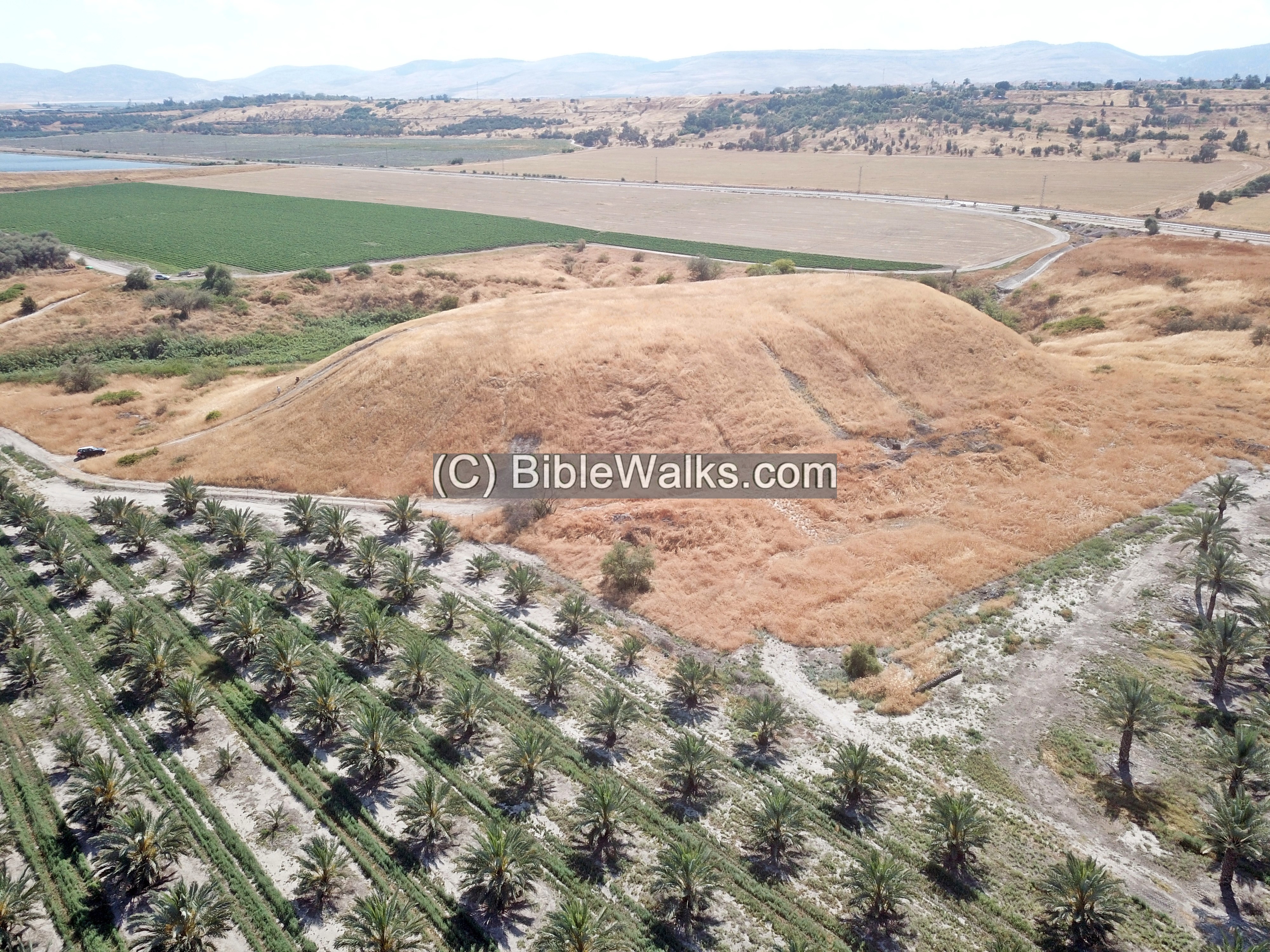
Ruins of a village near Beit Shemesh – the home town of Samson.
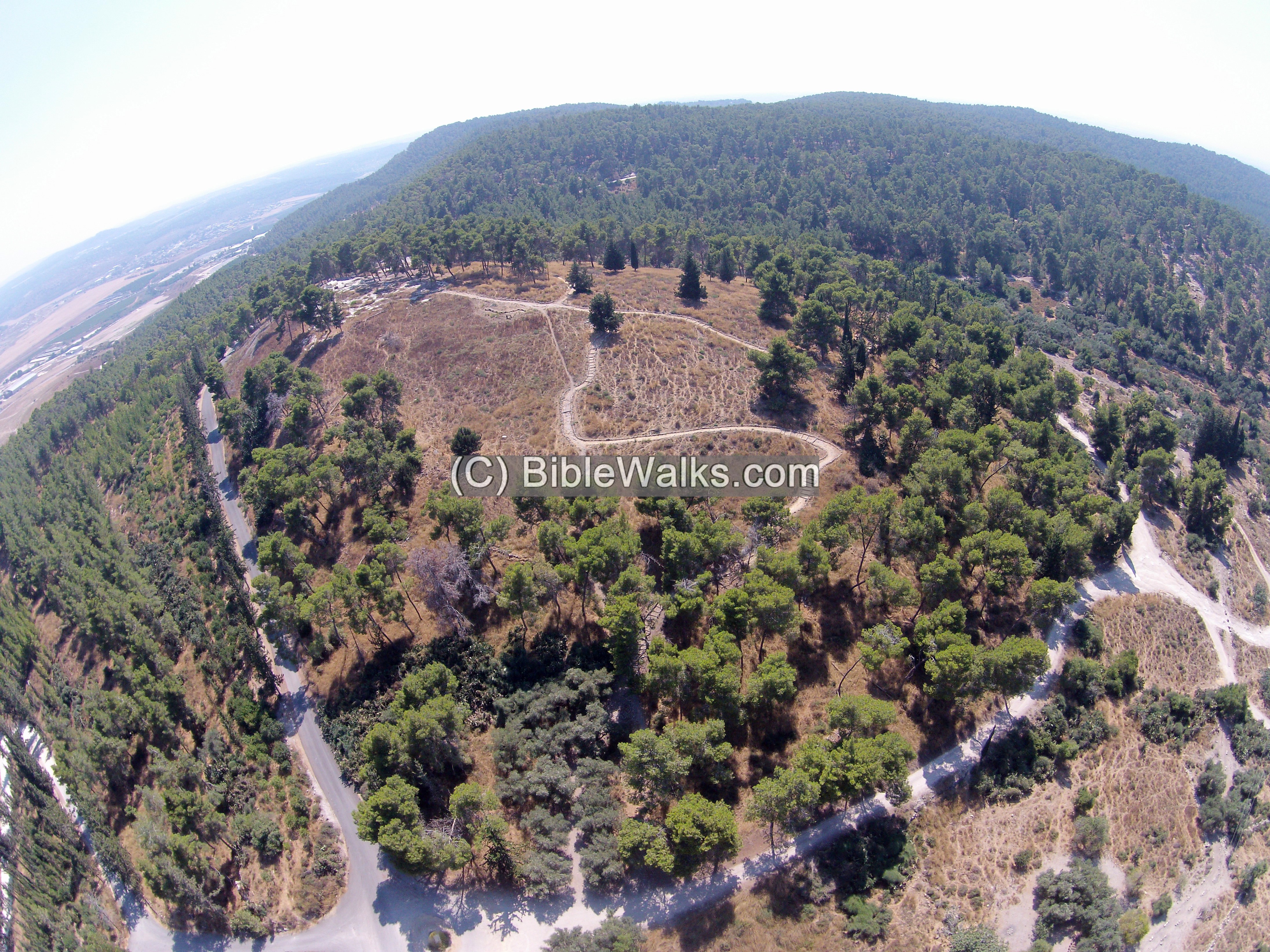
A Biblical place near Beit Shemesh, home town of Samson’s Delilah.

Mar 19, 2022
Ancient Hellenistic/Roman period site between Shiloh and Shvut Rachel.
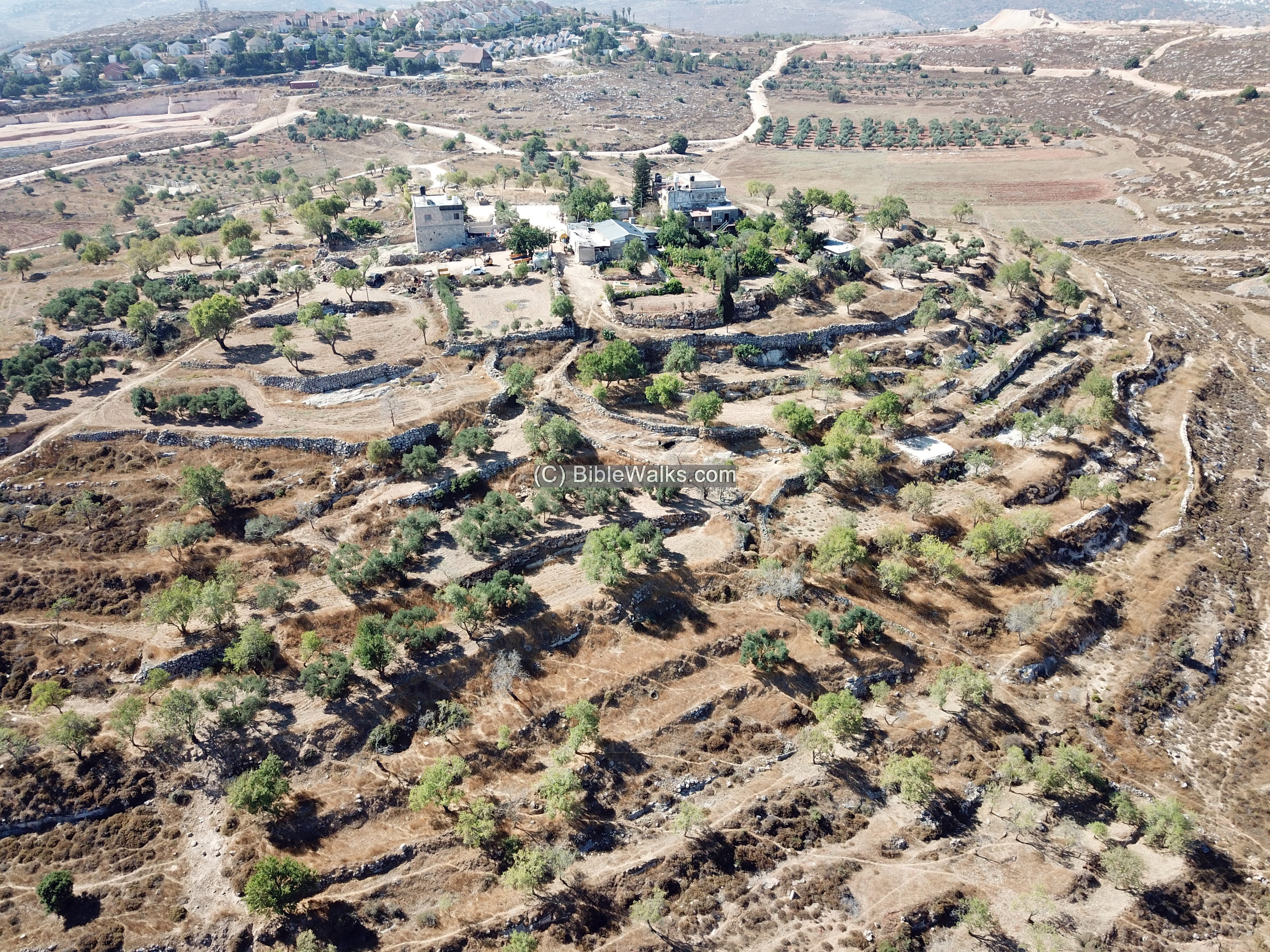
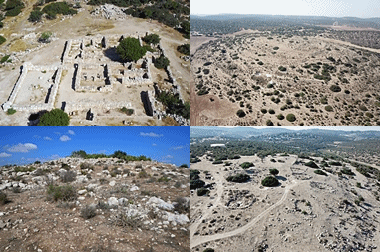
Ruins of a second temple period village (Biblical Rabbah?), in the Judean foothills region south of the valley of Elah.
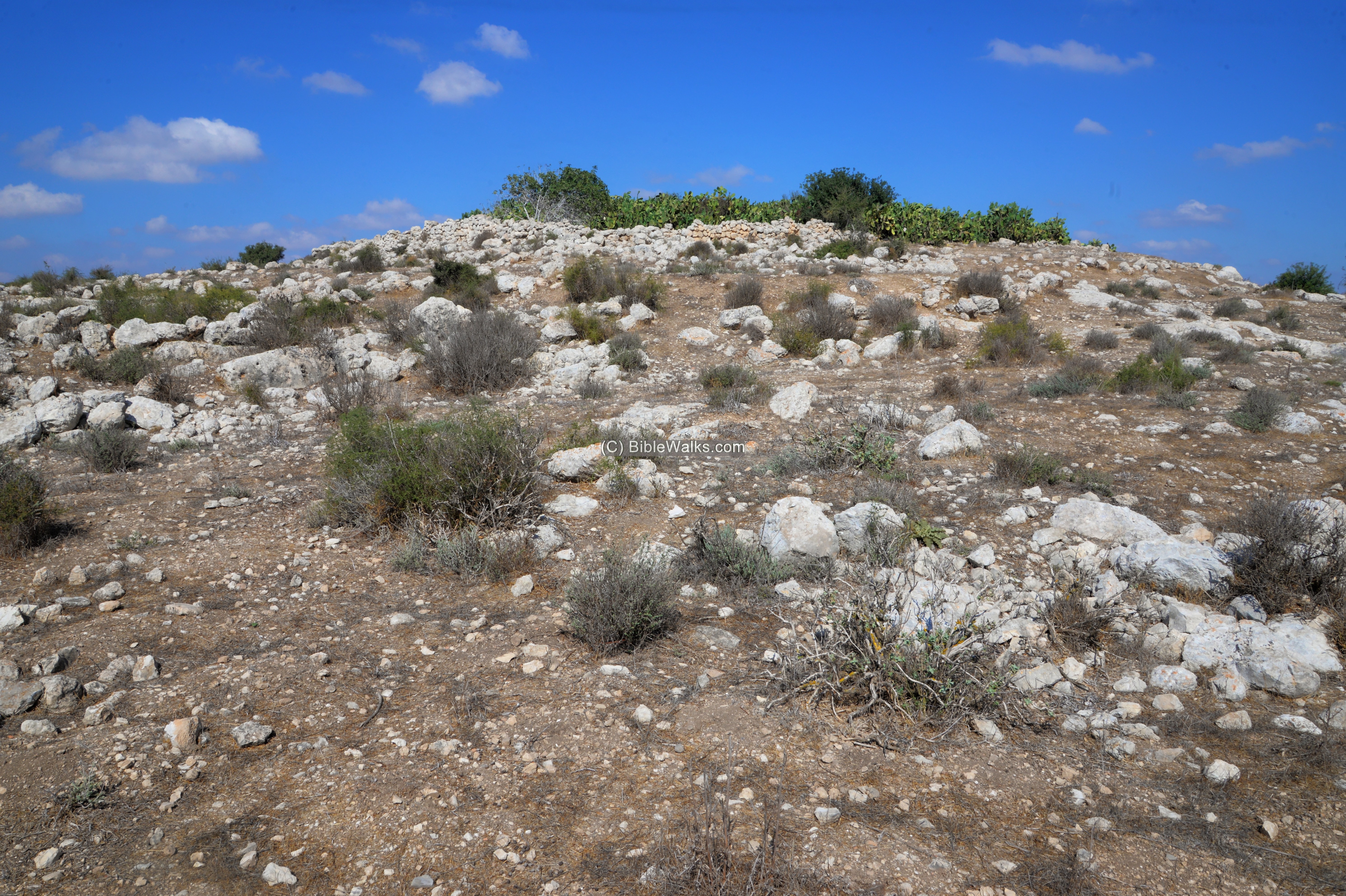
Ruins of a second temple period village in the Judean foothills region, south of the valley of Elah.
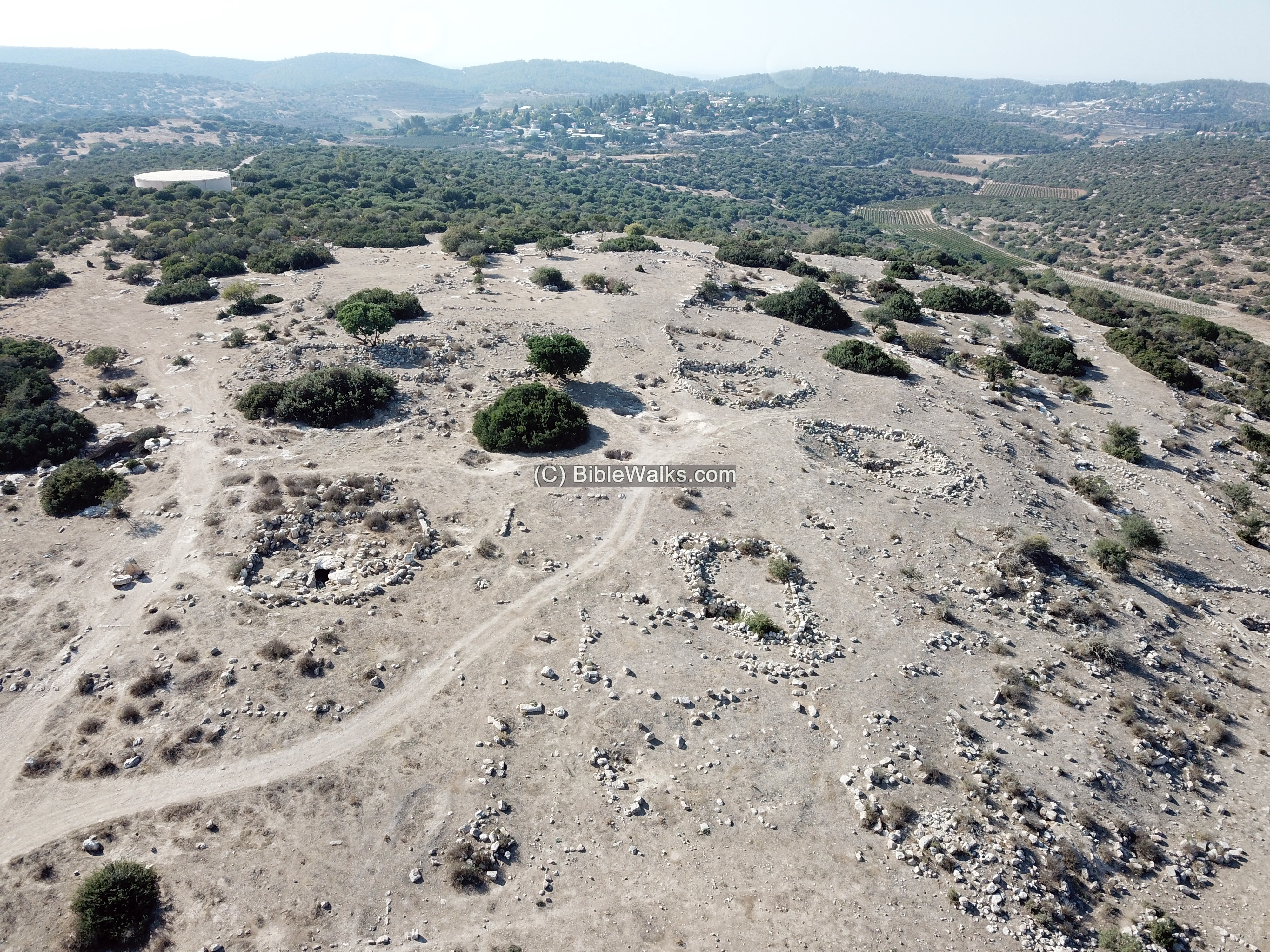
Ruins of an Iron Age, Early-Roman and Byzantine village in the Judean foothills region, south of the valley of Elah.
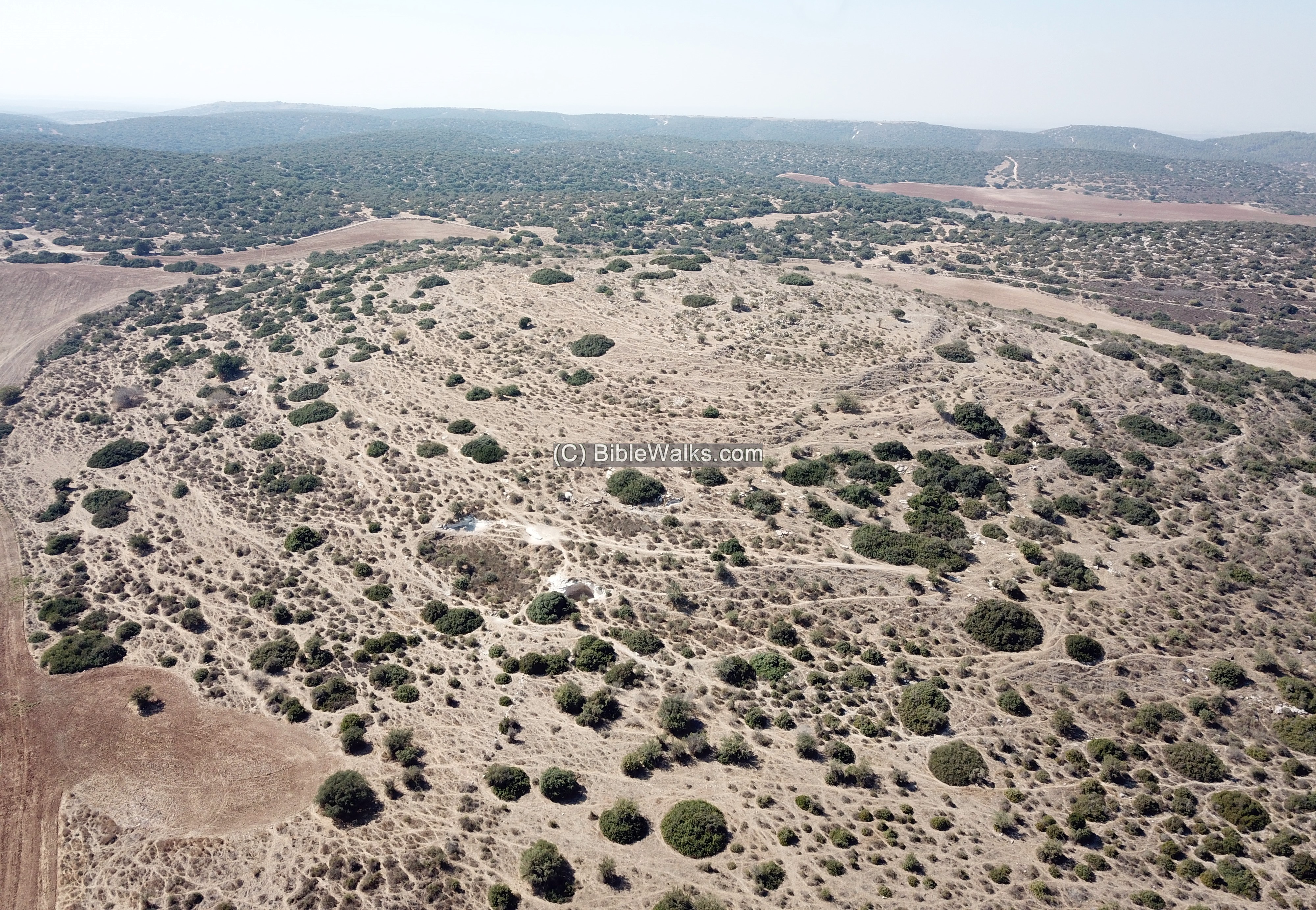
Oct 2, 2021
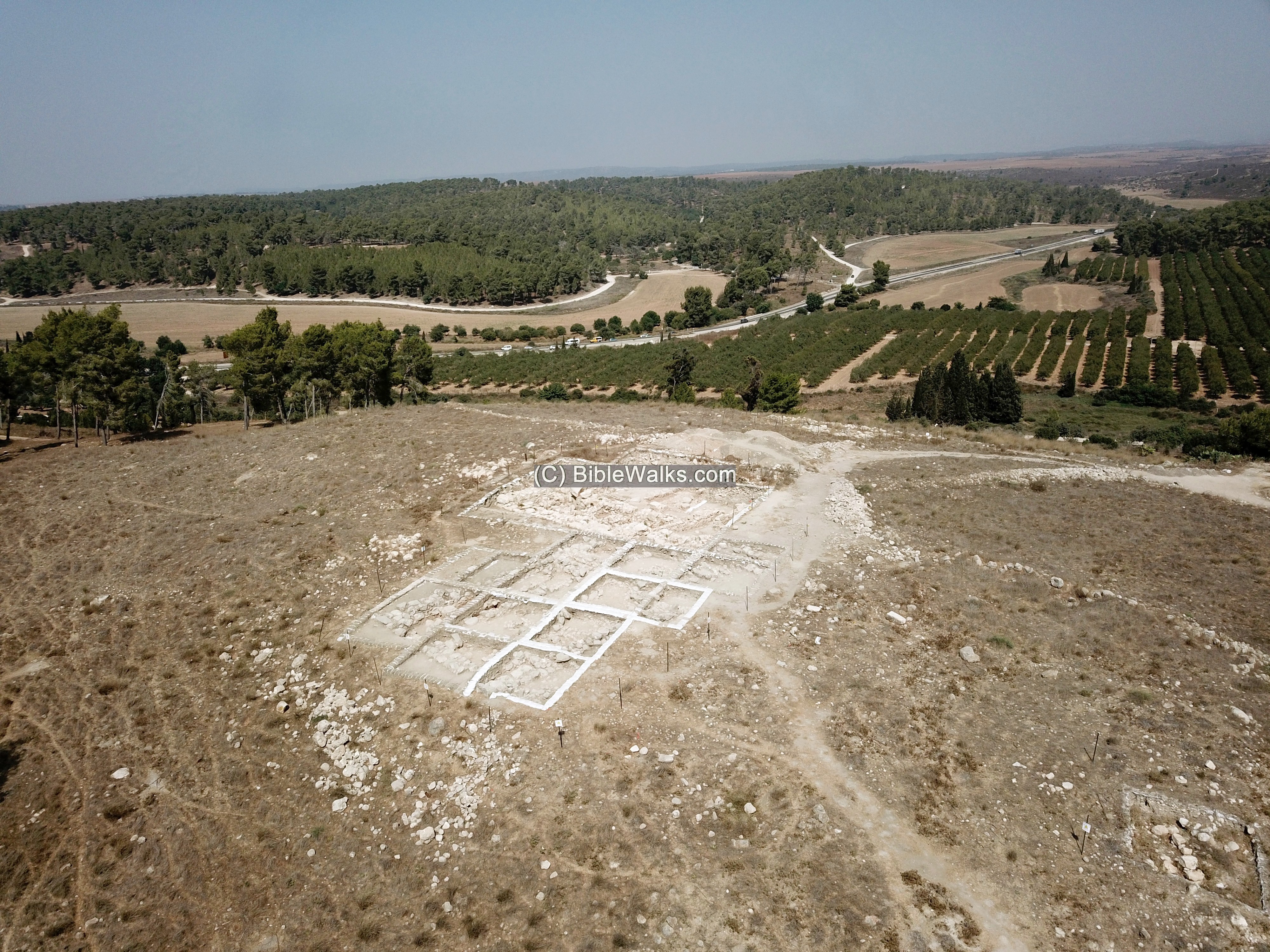
A multi-period archaeological site, with a peak settlement period during the Iron Age period. A rare inscription was found here, bearing the Biblical name Jerubba’al.
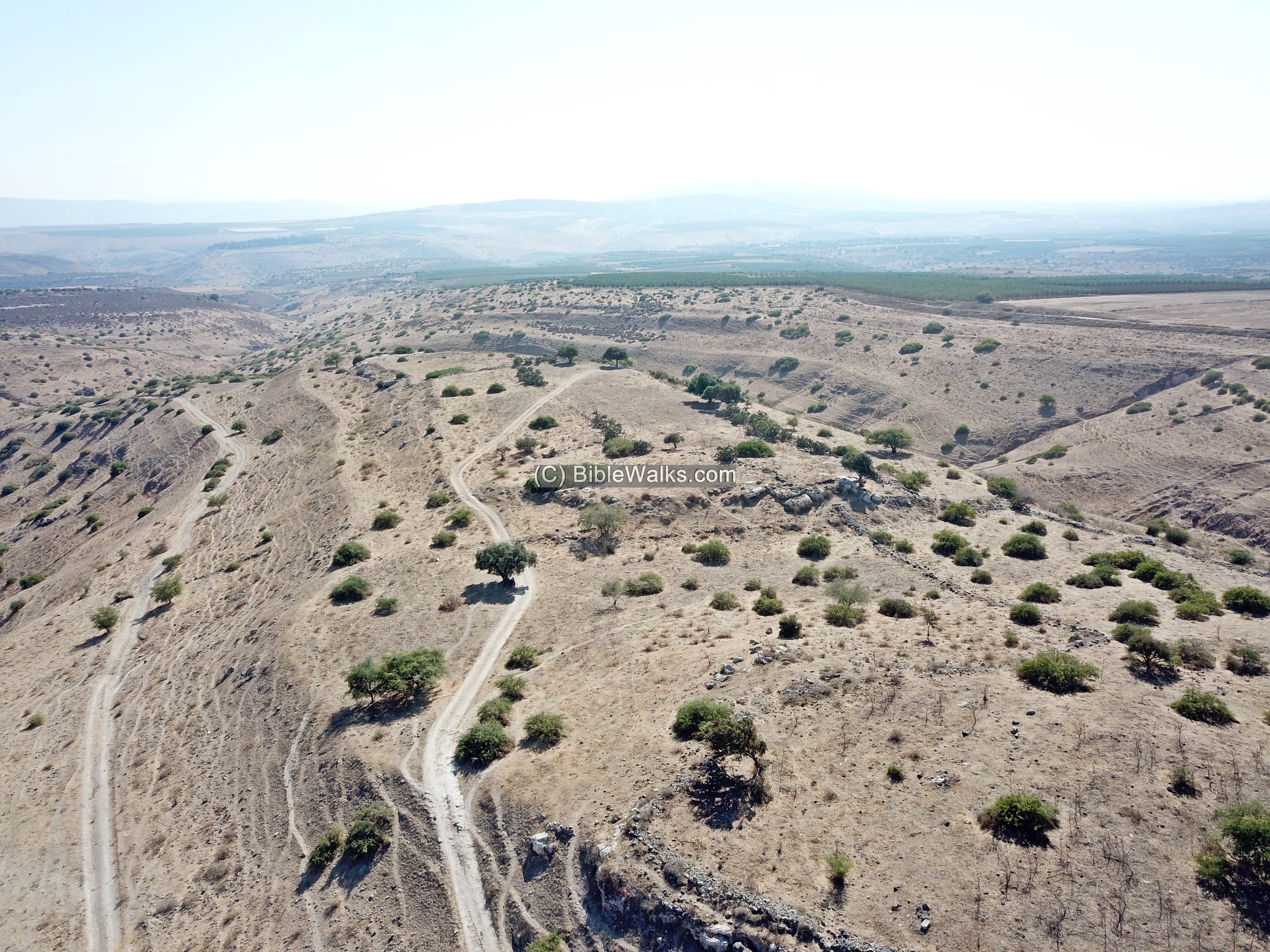
A multi-period archaeological site located on the plateau above Yavne’el, named after its spring (Ein Haddah).
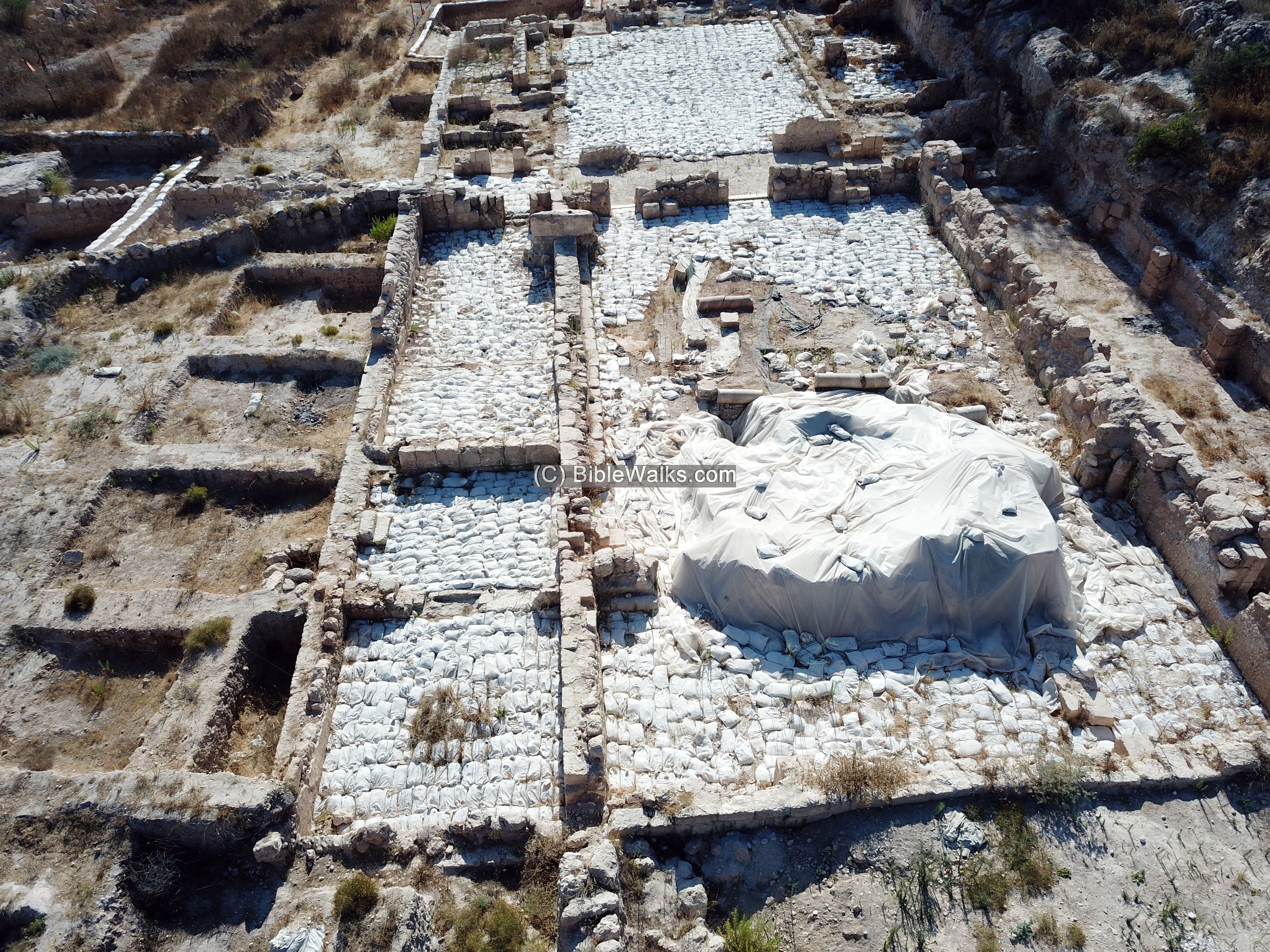
A visitor’s center and historical well in BeerSheba, associated with the history of Abraham and Isaac.

BibleWalks.com – follow the Bible through the sites of the Holy Land
This page was last updated on May 24, 2026 (add Rujm es Si’a)