
This page summarizes the sites that are reviewed in the area of Judea – in central Israel.
Home > Sites > Judea > Sites Gallery
This page is a sites gallery of the Judea – the central area of Israel.
Judea is a historic region in the Middle East, located in the southern part of modern-day Israel. It was one of the regions that comprised the ancient Kingdom of Israel and later became part of the Roman province of Judea.
The region is significant in religious history, as it is the birthplace of Judaism and Christianity. Jerusalem, located in the region of Judea, is considered a holy city by both religions.
Contents:
Short summaries
On each site below you can:
- read a short summary (above the picture)
- read the biblical reference (below the picture)
- click on the title to get to the review of that site.
- click on the photo to see the picture at full resolution.
- the latest added sites are at the bottom of the page.

Ruins of a Persian period fortress in the city of Beitar Illit.
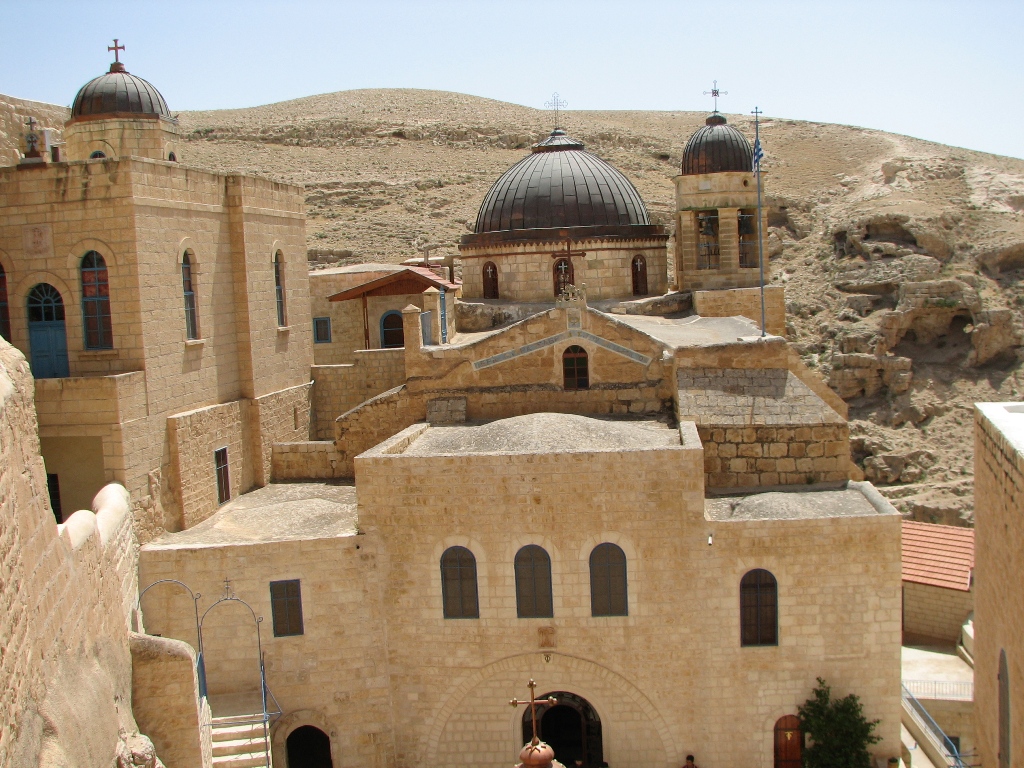
A 5th century AD monastery, the largest in the Judean desert. The walled complex is built on the southern cliffs of the Kidron creek. It was established by Saint Sabas, and named after him. The monastery started as a place of seclusion of few monks in the caves, led by Mar Saba.
Herod the Great built this monumental fortress and palace in the Judean desert south of Jerusalem, and was buried here. The site was a rebel stronghold during the great revolts against the Romans. It is one of the most exciting archaeological sites in Israel.
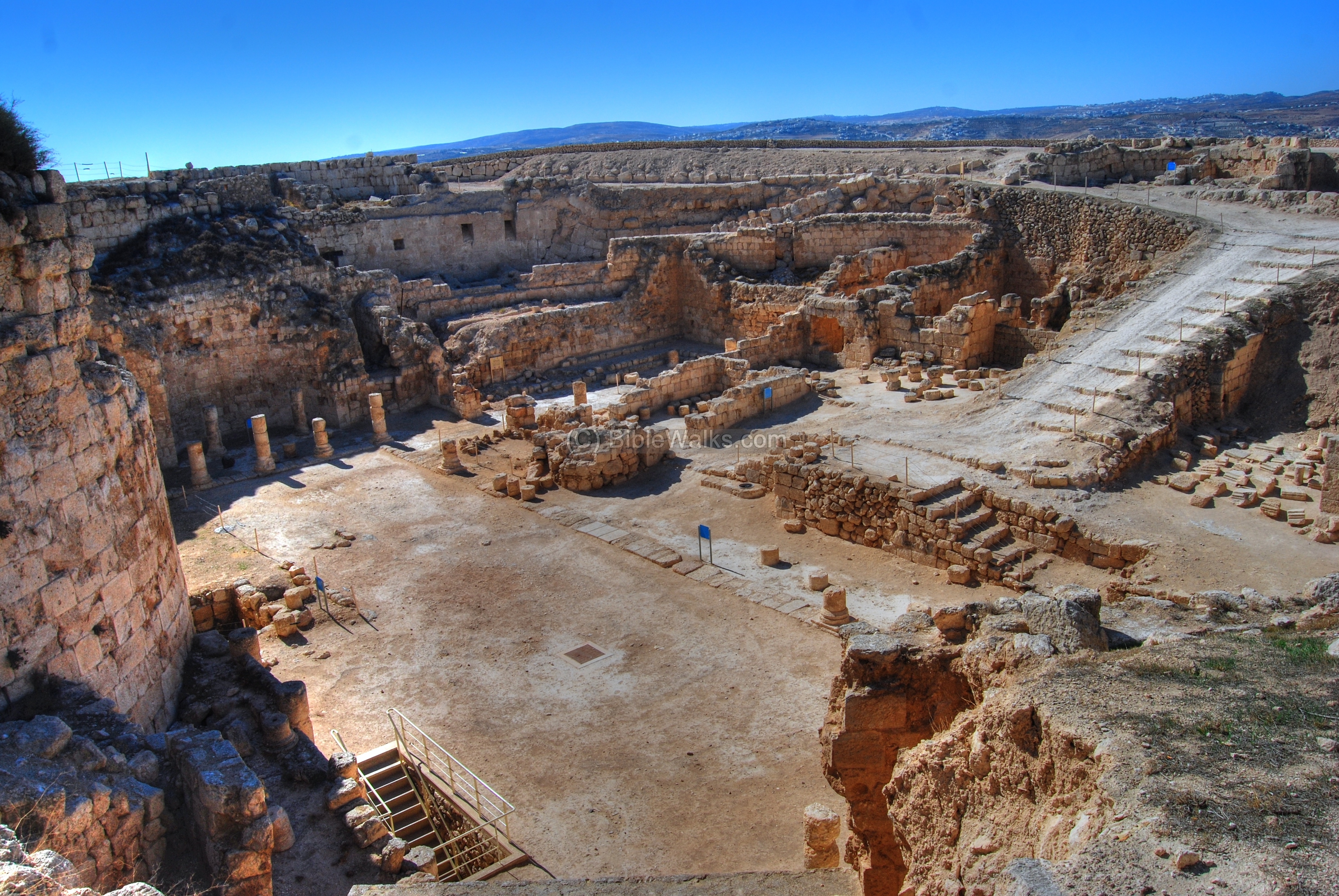
Flavius Wars 1 21 10: “… built a fortress upon a mountain towards Arabia, and named it from himself, Herodium”
A 12th century Greek-Orthodox monastery, on the side of the road from Jerusalem to Bethlehem. Built over the ruins of a Byzantine church, it serviced the pilgrimage route to Bethlehem.
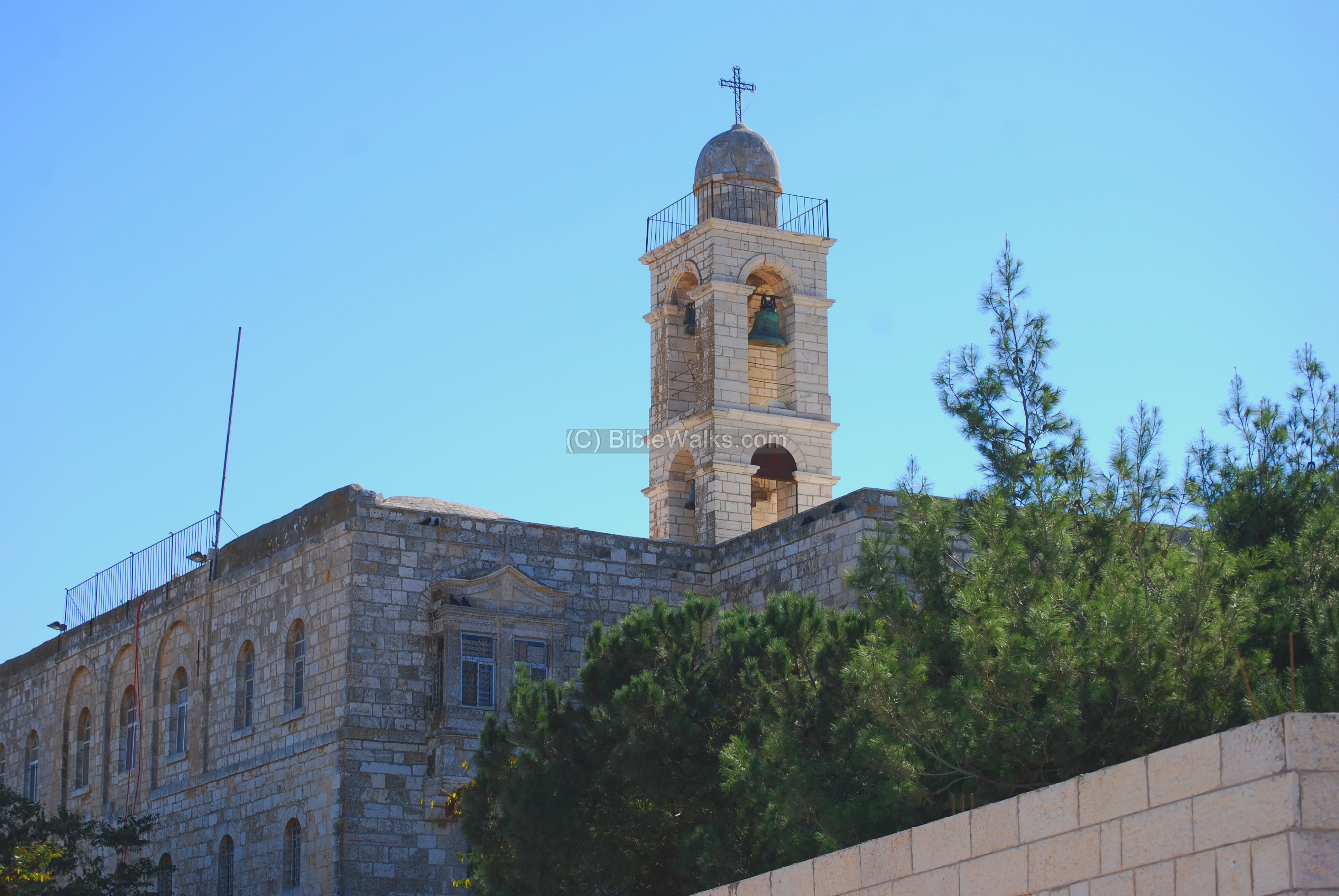
1 Kings 19: 2: Then Jezebel sent a messenger unto Elijah… And when he saw that, he arose, and went for his life, and came to Beersheba, which belongeth to Judah…”
Emmaus, also known as Hammat or Nikopolis, was a large city from the Hellenistic period through the Byzantine period. It is strategically located on the main road from the plains to Jerusalem.

Luke 24 13: “And, behold, two of them went that same day to a village called Emmaus, which was from Jerusalem about threescore furlongs”.
The site is situated on the beginning of the road that climbs up to Jerusalem, about 30 Km west of the Holy City. It is believed to be the site of the village where Jesus, after resurrection, said farewell to Cleophas and his companion, according to Luke’s Gospel.
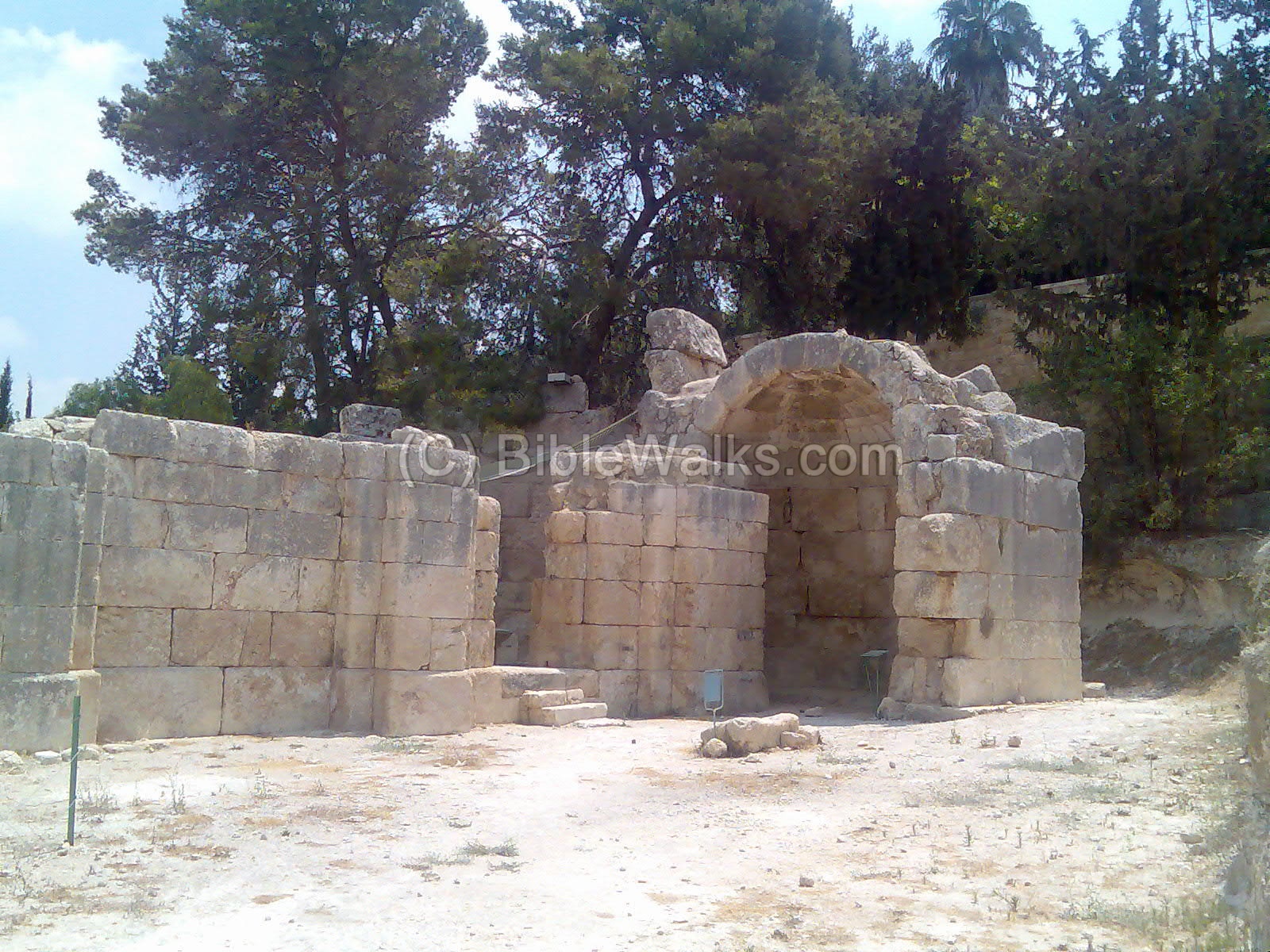
A well preserved 3rd century AD structure, located inside the Arabic cemetery in Emmaus. It served as the Roman city’s bath.
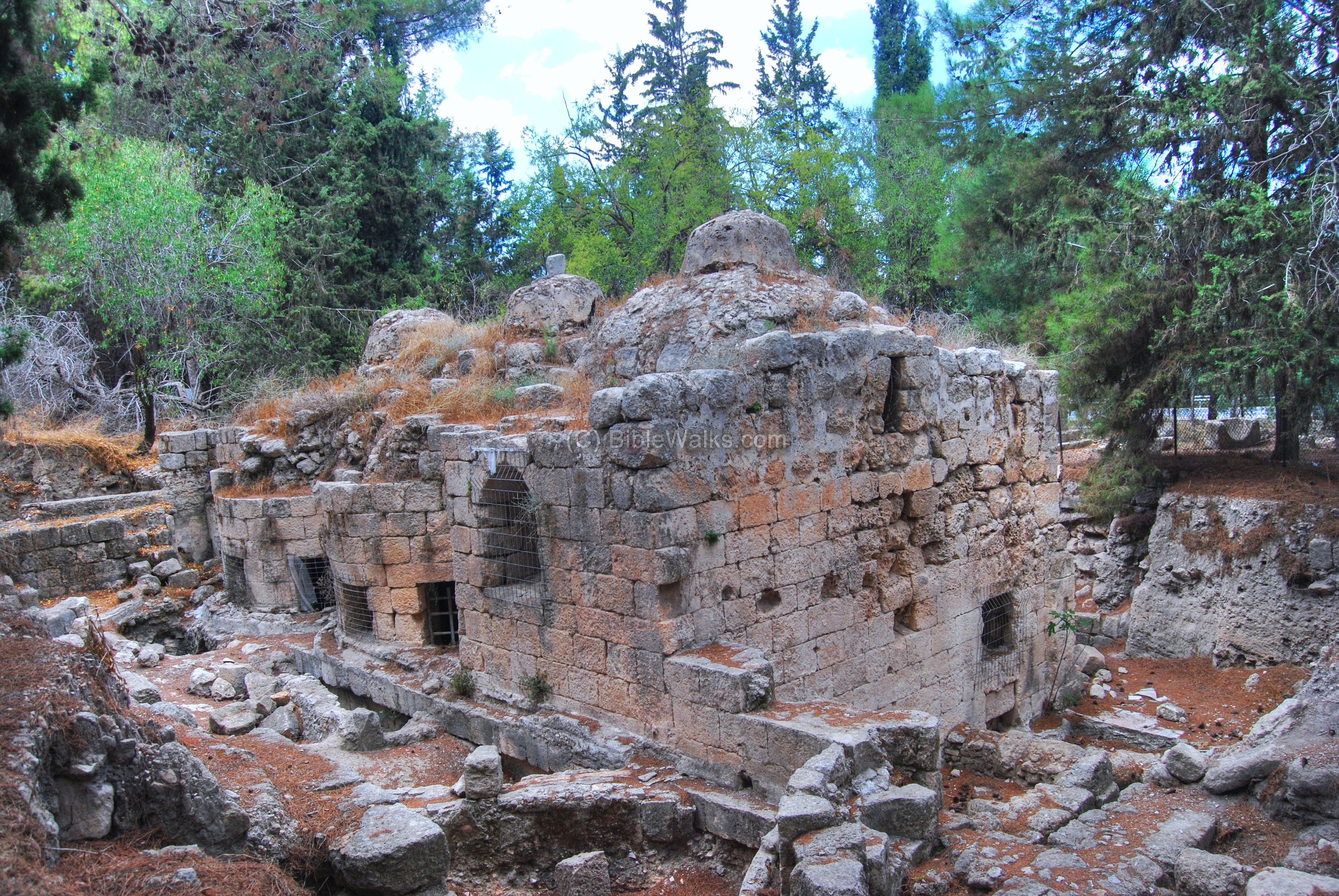
This Late Roman water system supplied the water to the city of Emmaus-Nicopolis.
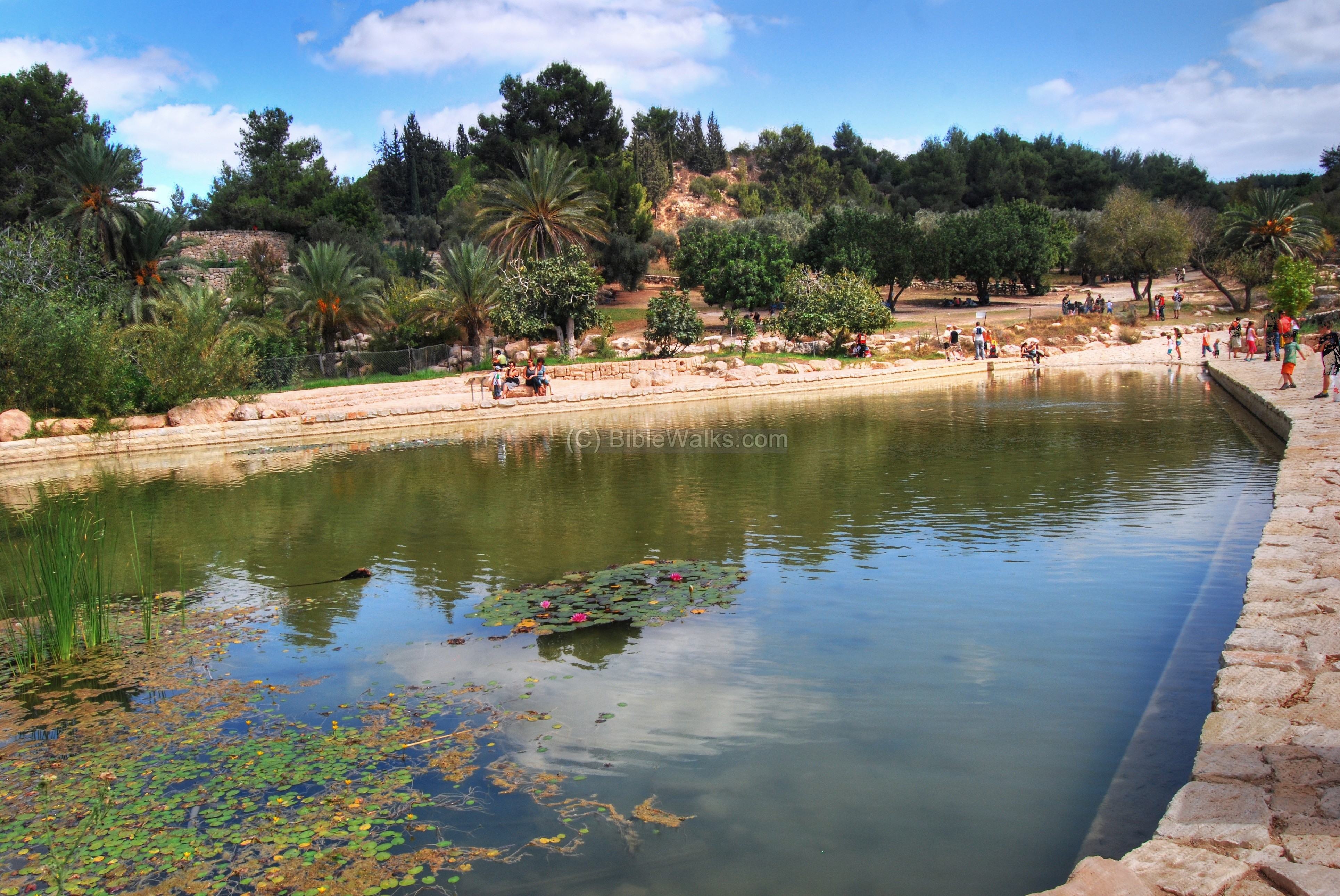
A Hasmonean period fortress located inside the Ayalon park. It was fortified by Bacchides during the Maccabee revolt.

Ancient wine presses are located in Park Ayalon (Canada).
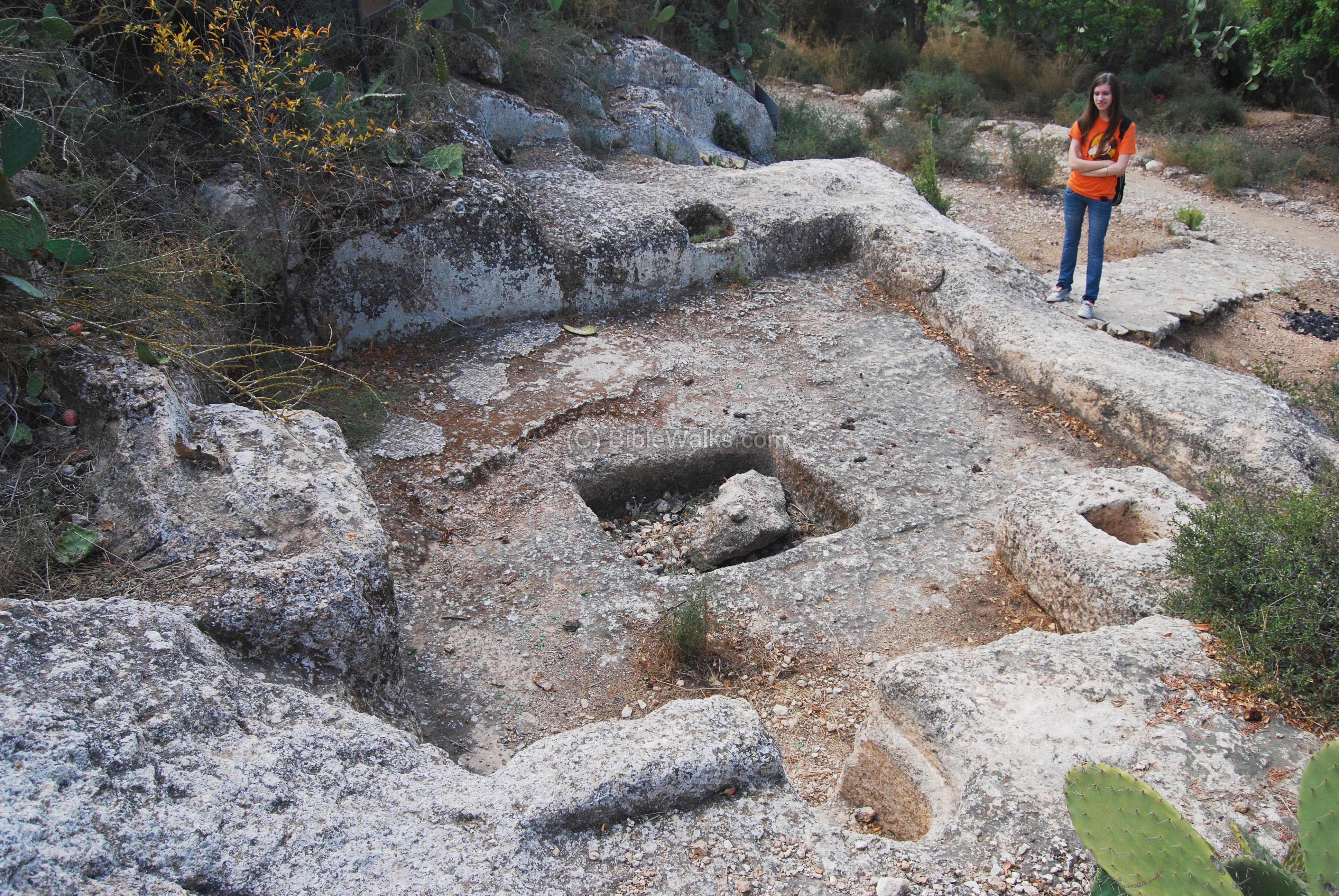
Isaiah 5:2: “And he fenced it, and gathered out the stones thereof, and planted it with the choicest vine, and built a tower in the midst of it, and also made a winepress therein: and he looked that it should bring forth grapes, and it brought forth wild grapes”.
Ruins of an Octagon shaped Byzantine church and monastery, located near Mar Elias, on the road to Bethlehem.
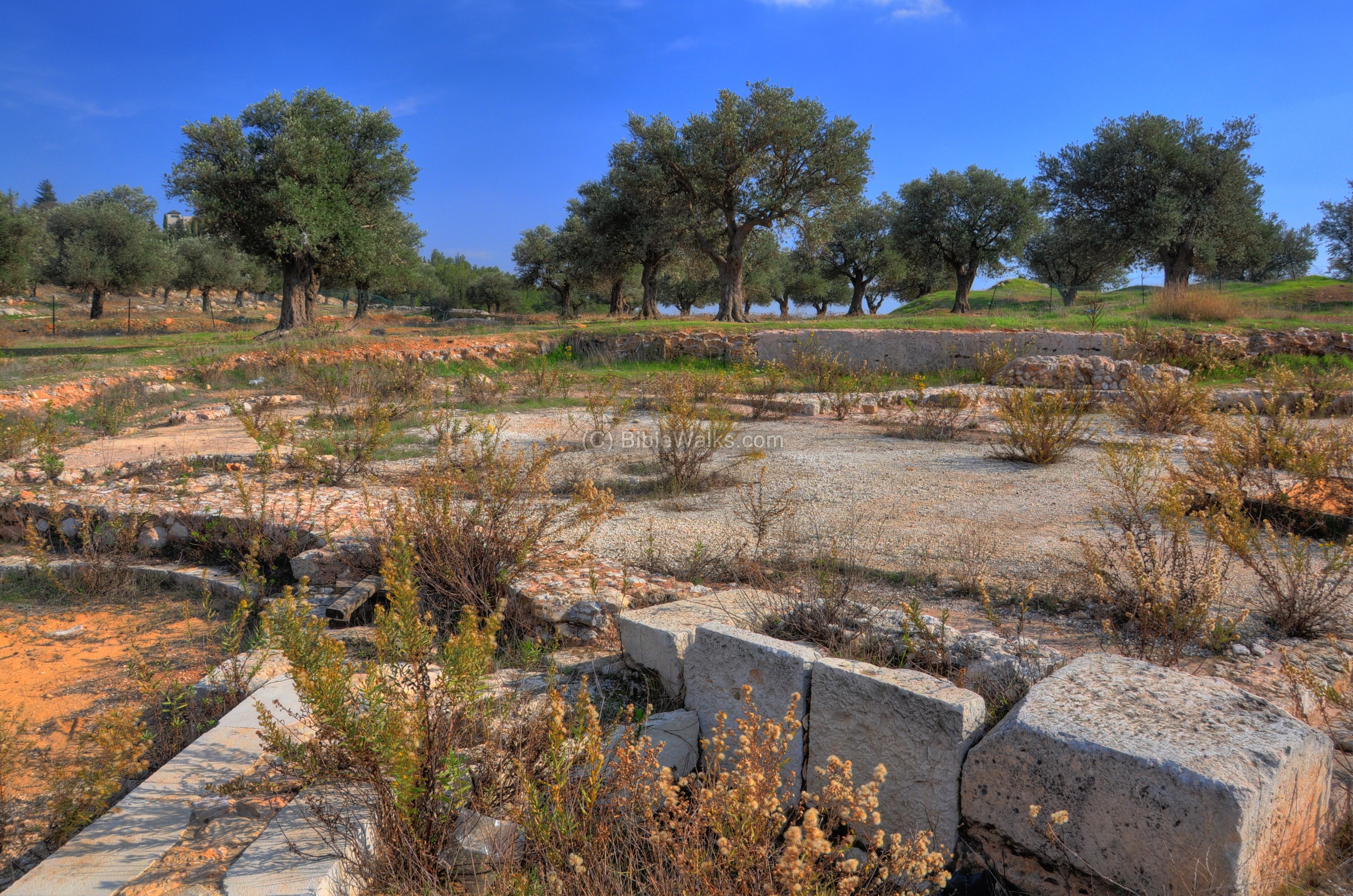
Luke 2 4-5: “And Joseph also went up from Galilee… unto … Bethlehem… with Mary his espoused wife, being great with child”.
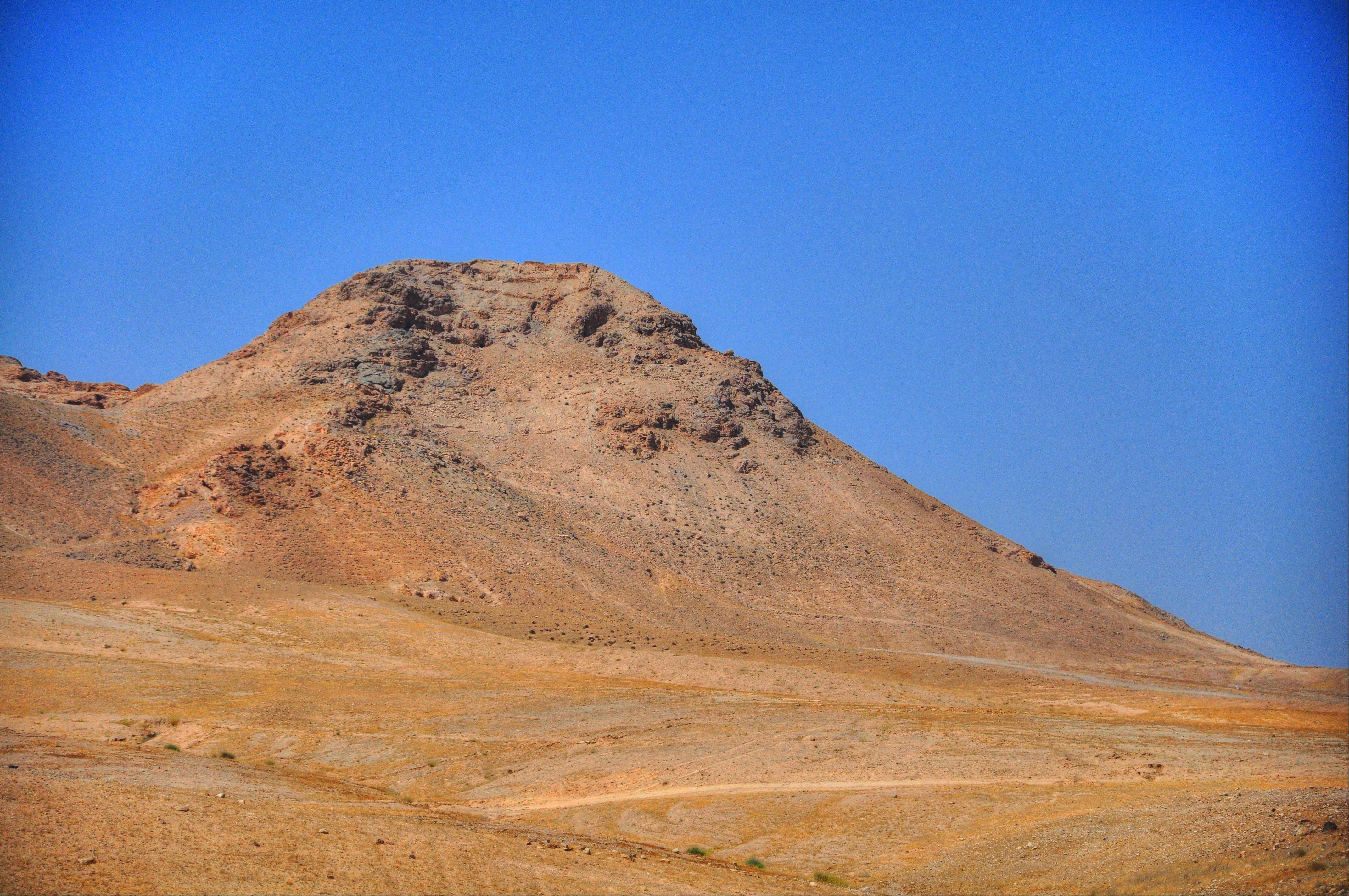
High mountain in the Judean desert, site of a ruined Byzantine monastery, and probable place of the Biblical scapegoat ceremony.
Leviticus 16 10: “”But the goat, on which the lot fell to be the scapegoat, shall be presented alive before the LORD, to make an atonement with him, and to let him go for a scapegoat into the wilderness.”
A 2nd century BC Hasmonean fortress in the northern Judean desert. It was reinforced by Herod the Great. During the Byzantine period a Monastery was built by the Judean monks.
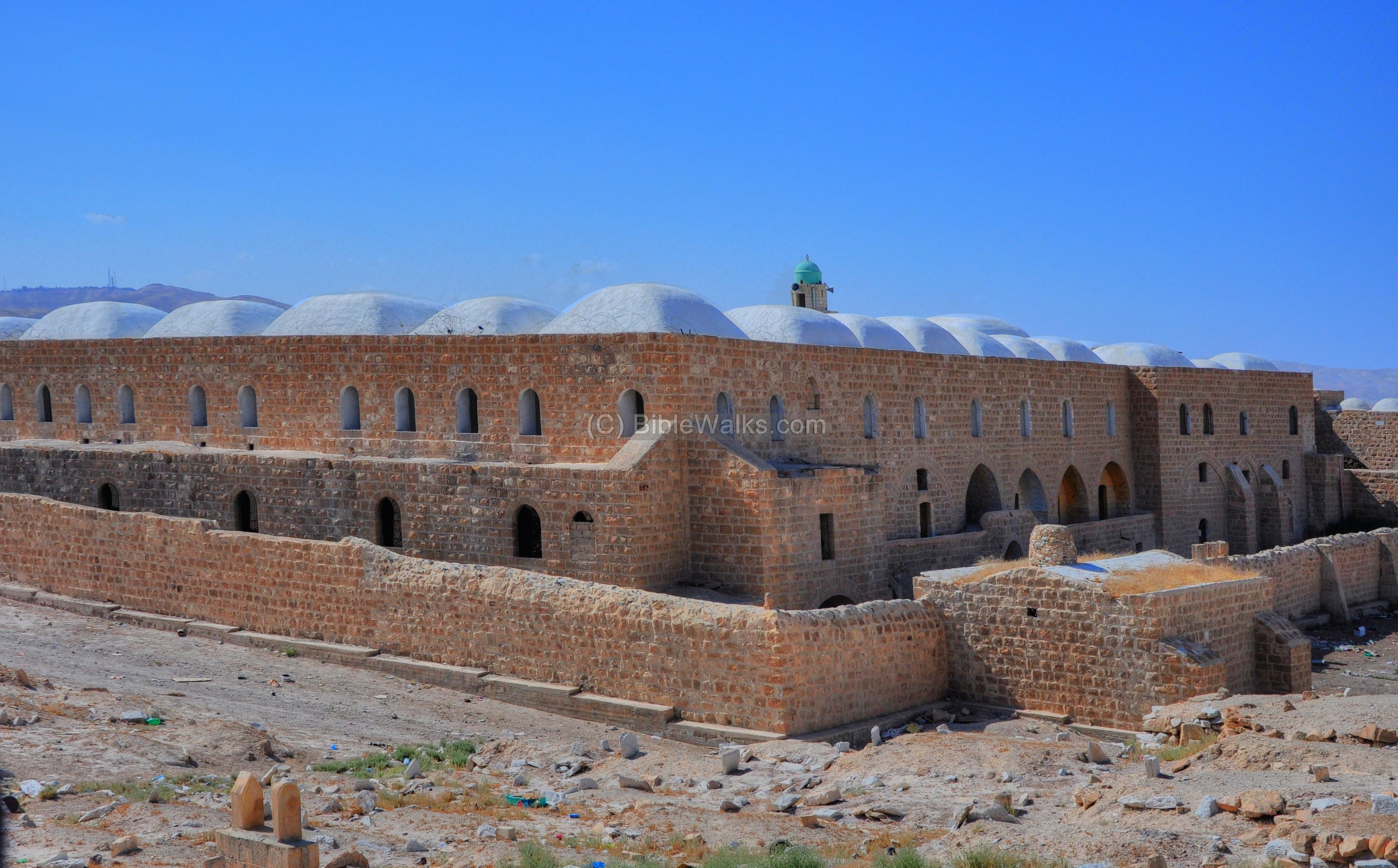
An ancient Holy Muslim site located on the side of the road from Jerusalem to Jericho, dedicated to Prophet Moses (Nebi Musa).
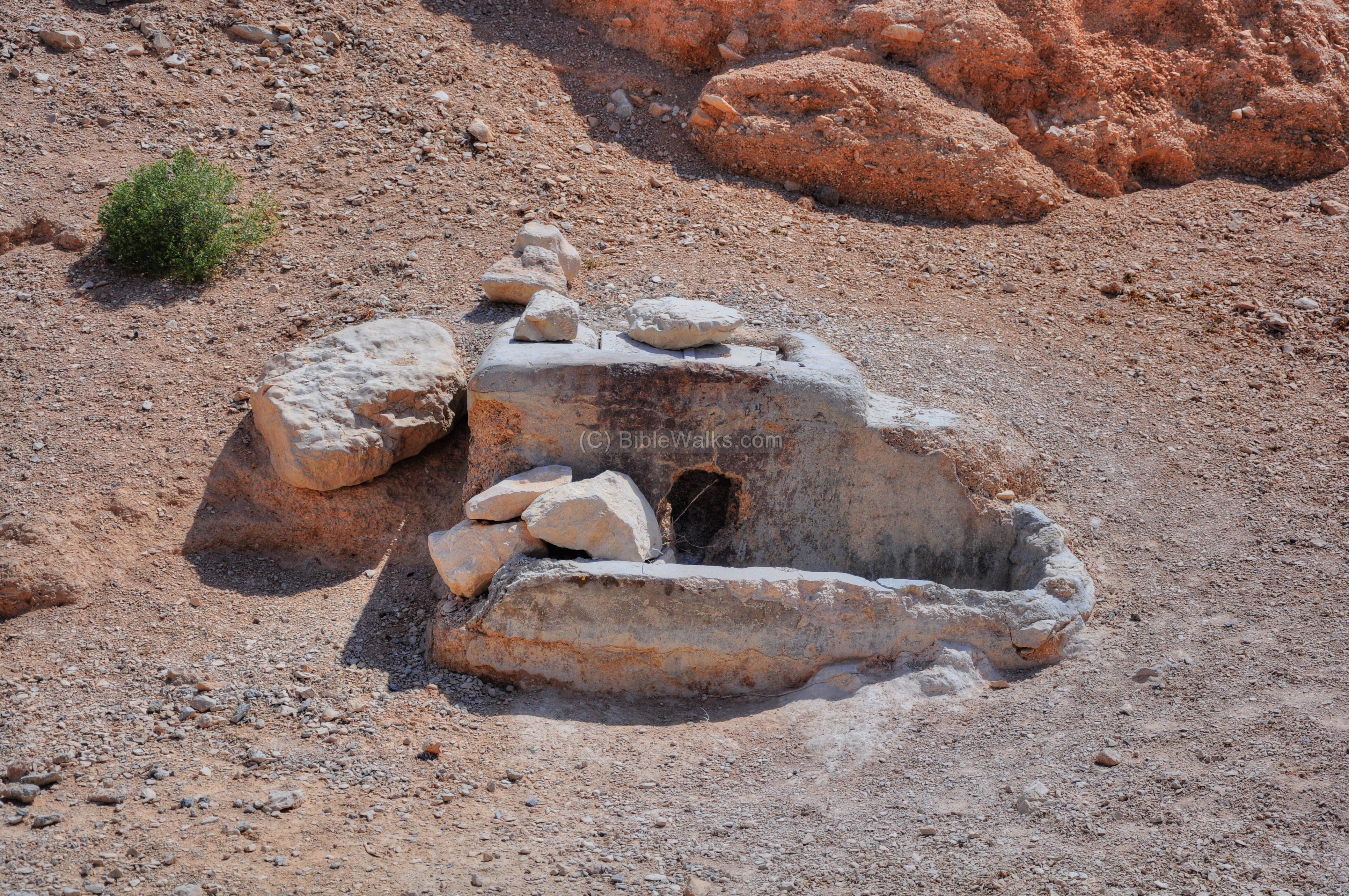
In the dry Judean desert, water is life. Its few residents rely on wells and springs in order to survive.
The holy site of Nebi Samuel is the traditional tomb of prophet Samuel, with remains from the Hasmonean period (2nd century BC) through the Crusaders period (12th century AD).
1 Samuel 10 17: “And Samuel called the people together unto the LORD to Mizpeh”
This page focuses on the ancient Hasmonean village in Nebi Samuel. It may have been the place called Mizpah of Benjamin.
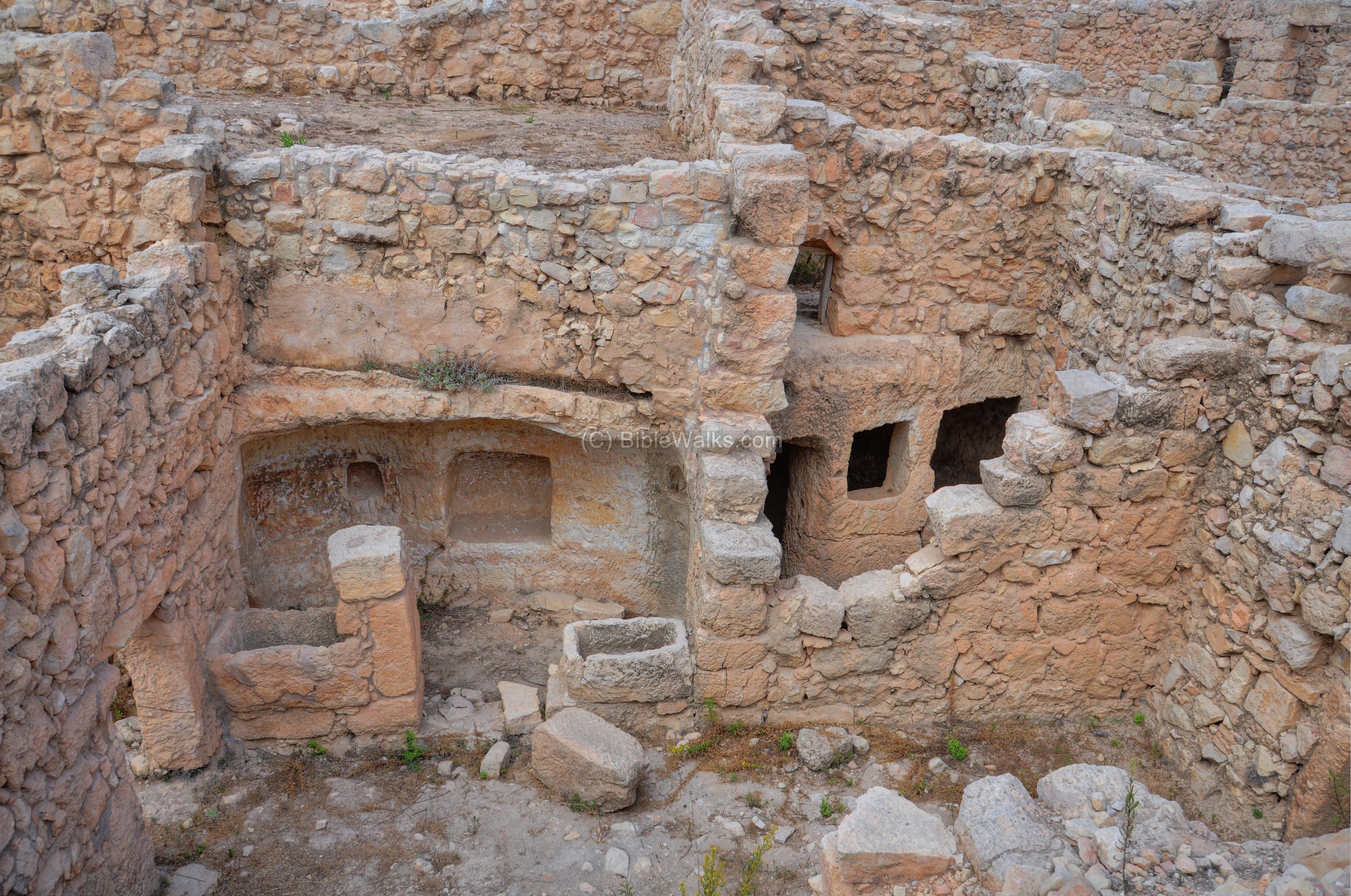
(1 Hasmonean 3 46): “Then they gathered together and went to Mizpah, opposite Jerusalem, because Israel formerly had a place of prayer in Mizpah”.
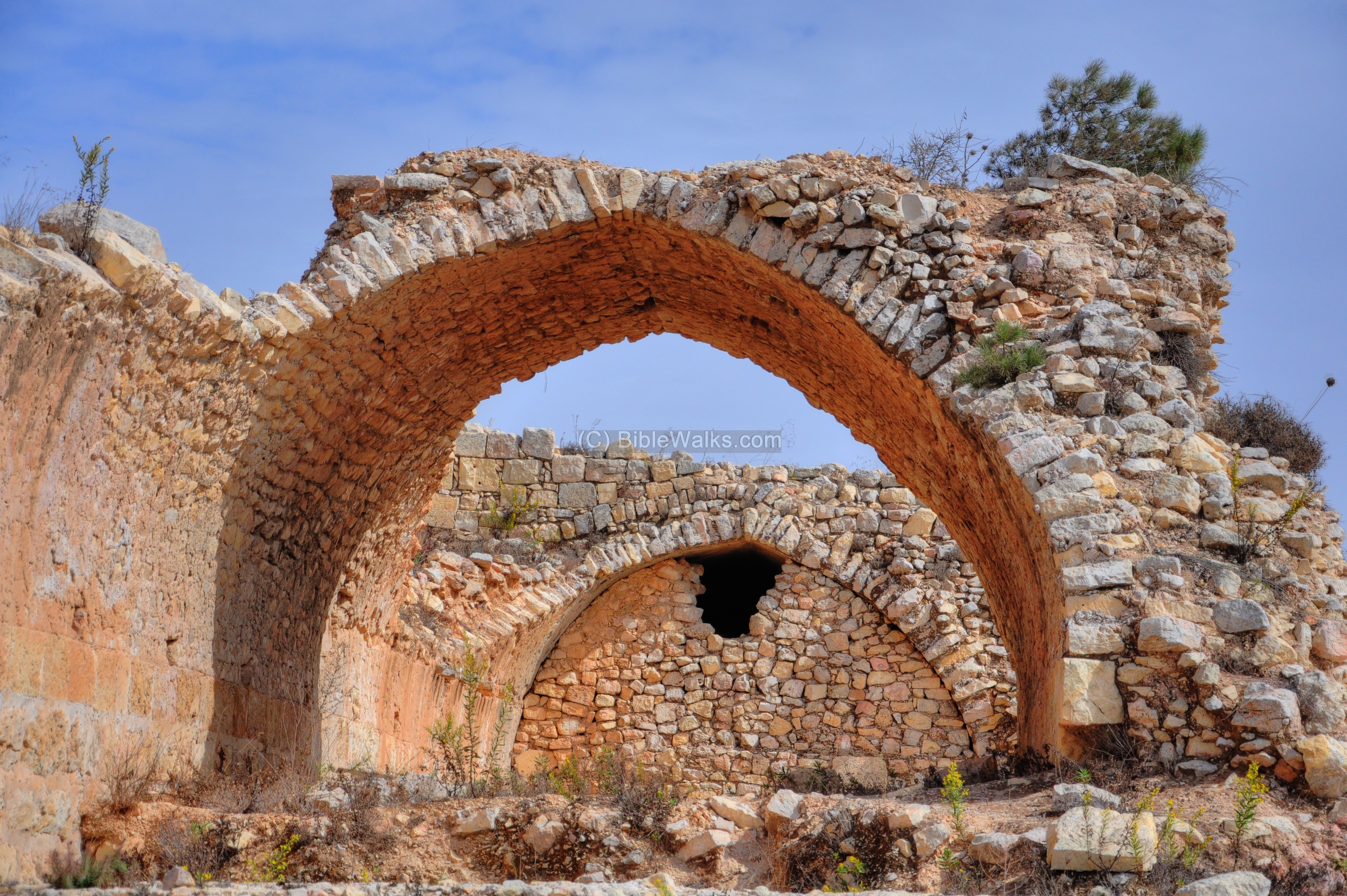
Nebi Samuel – Crusaders
This page focuses on the Crusaders period in Nebi Samuel, from their arrival (1099) to their departure (1187).
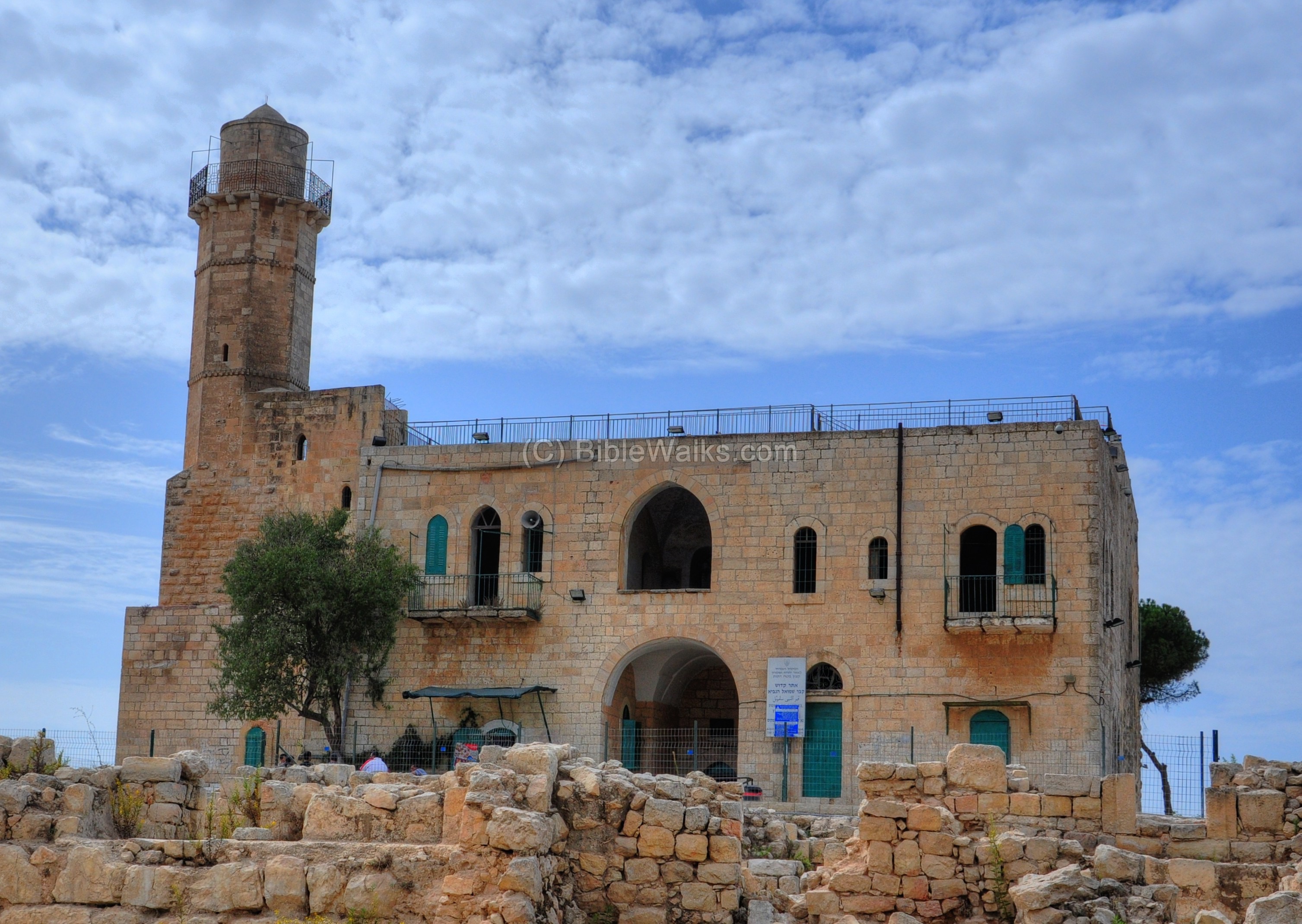
Nebi Samuel (Samwil) – Ottoman/British
This page focuses on the Ottoman & British period in Nebi Samuel.
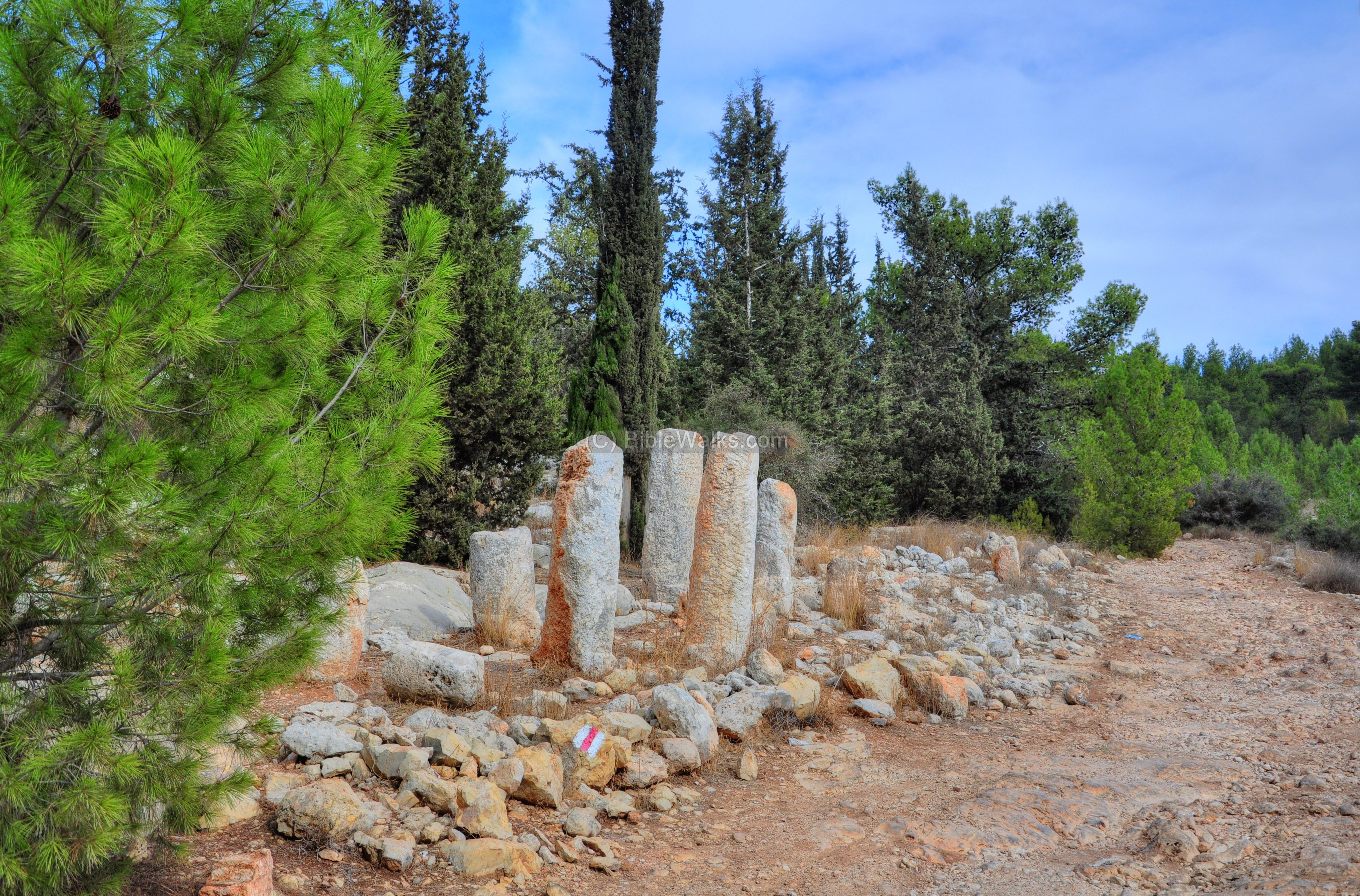
Nahal Ilan – Roads to Jerusalem
The Roman road from Emmaus passed through a narrow mountain passage named Nahal Ilan (Wadi A’lakah), and started here its ascent to to the Holy City of Jerusalem.
A large walled 5th century monastery and pilgrimage inn, with huge underground water reservoirs.
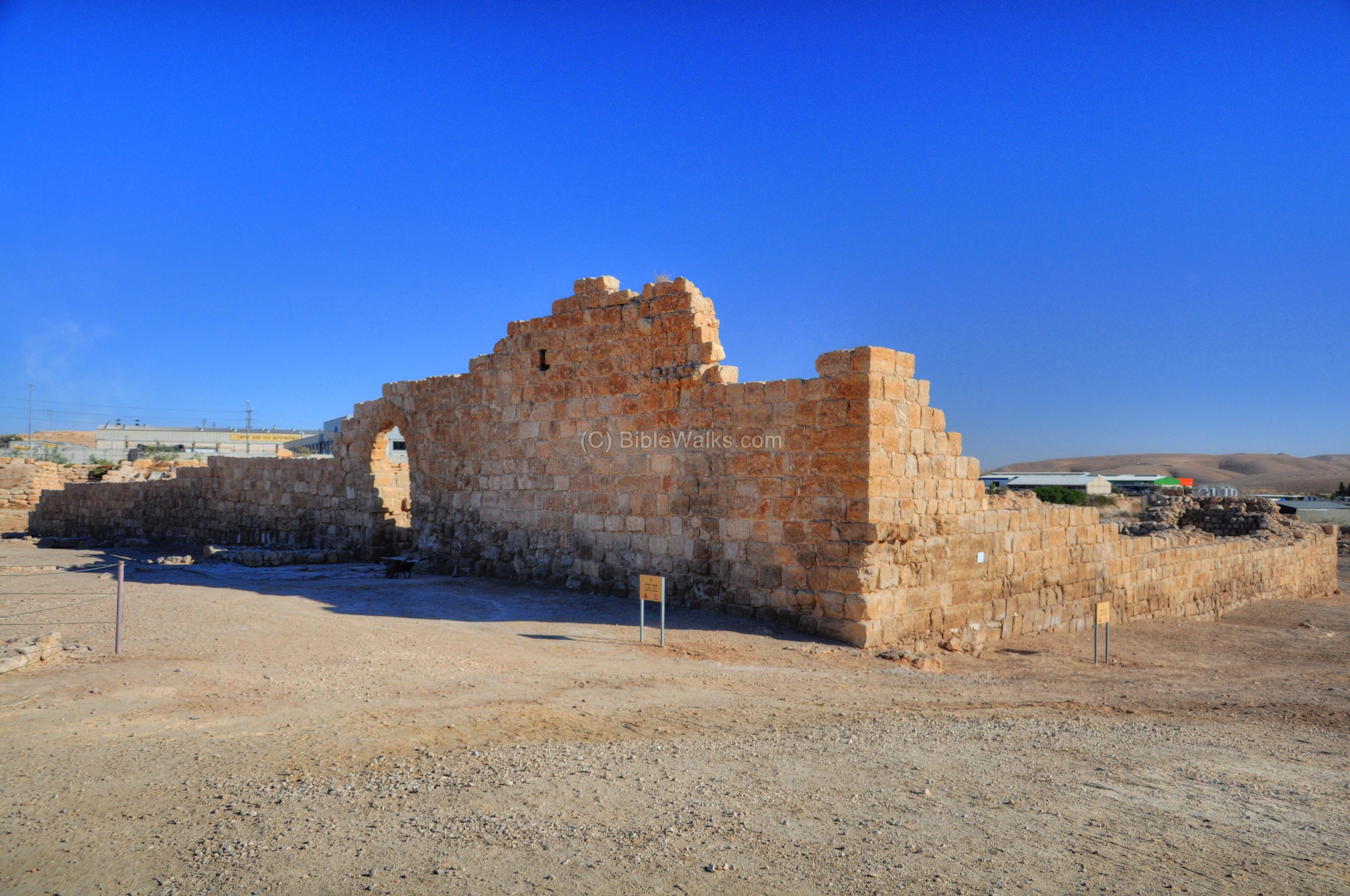
A large walled Byzantine monastery, founded by Martyrius in the 5th century. The site, one of the largest and most beautiful communal monasteries in the Judean Desert, was recently opened to the public after extensive excavations & restoration.
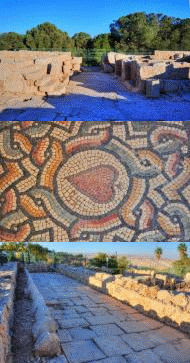
The site served as a hostel along the road from Jericho to Jerusalem, with remains from the Roman period to the Ottoman period. A new archaeological museum was opened here.
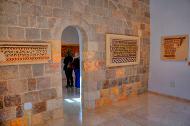
Joshua 15:7: “Adummim, which is on the south side of the river…”.
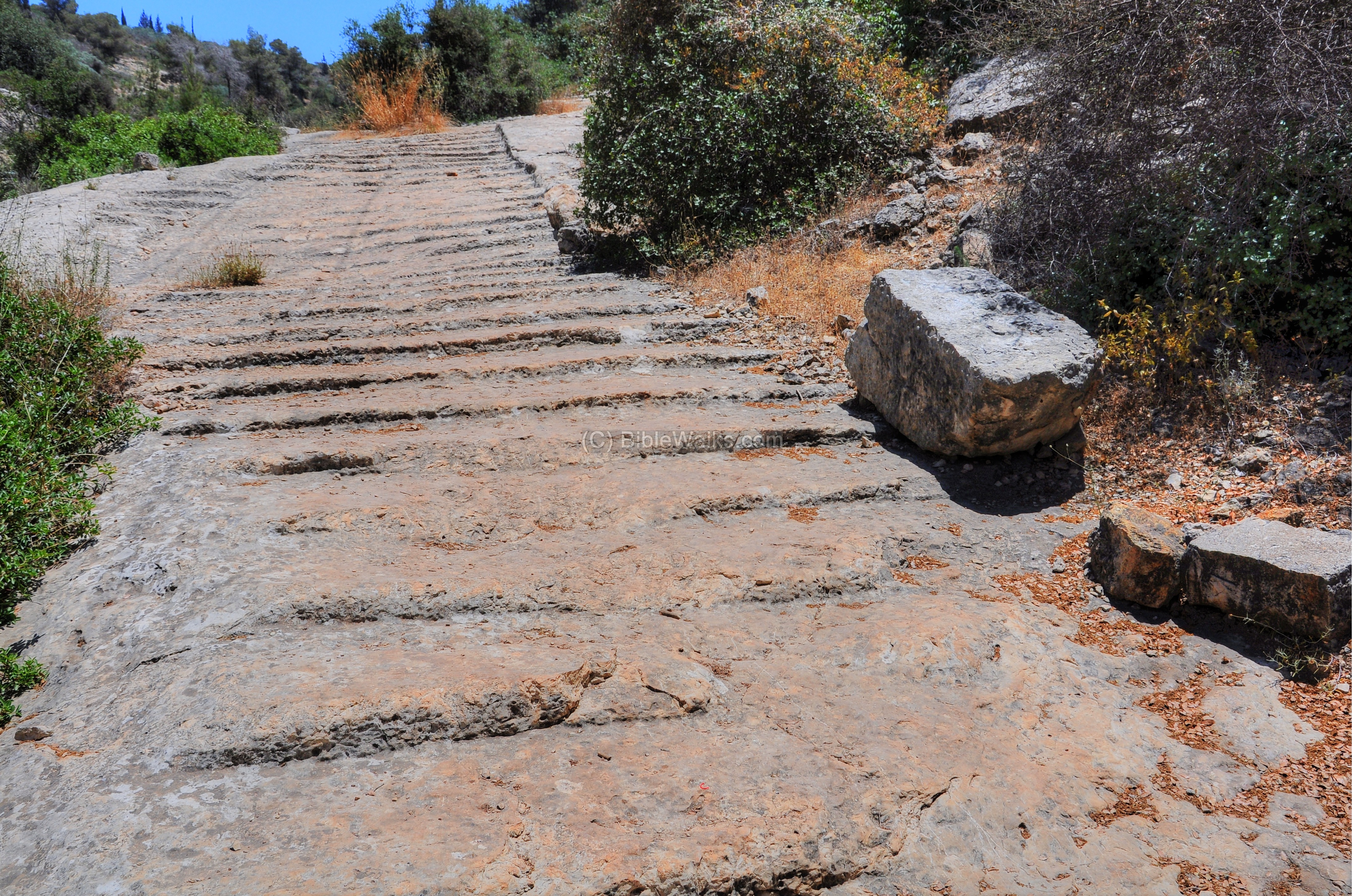
Horvat Hanut – Road to Jerusalem
The Roman road from Elah Valley passed through Horvat Hanut, and started here its ascent to Bethlehem and Jerusalem.
Kh. Matta and Ein Tannur – the springs of Noah
Ancient remains and springs are located in the Zanoah valley. They are named after Noah and the great flood.
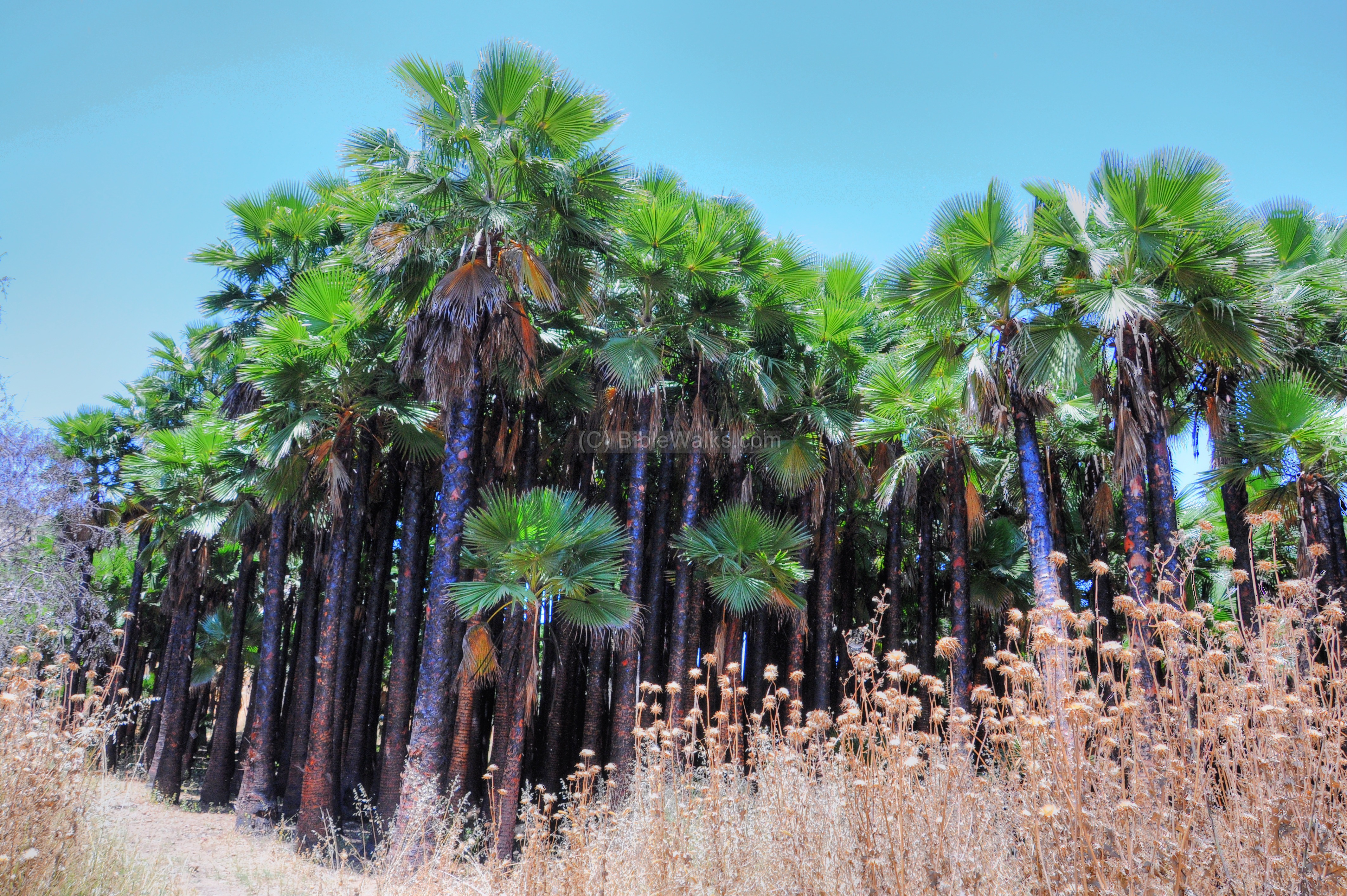
Joshua 15, 33-34: “And in the valley… Zanoah”
The famous site of the battle between David and Goliath.
1 Samuel 17 2: “And Saul and the men of Israel were gathered together, and pitched by the valley of Elah, and set the battle in array against the Philistines. “
Remains of a Biblical city, dated to the times of David. Its name means “twin gates”, which were found in the excavations of Khirbet Qeiyafa.
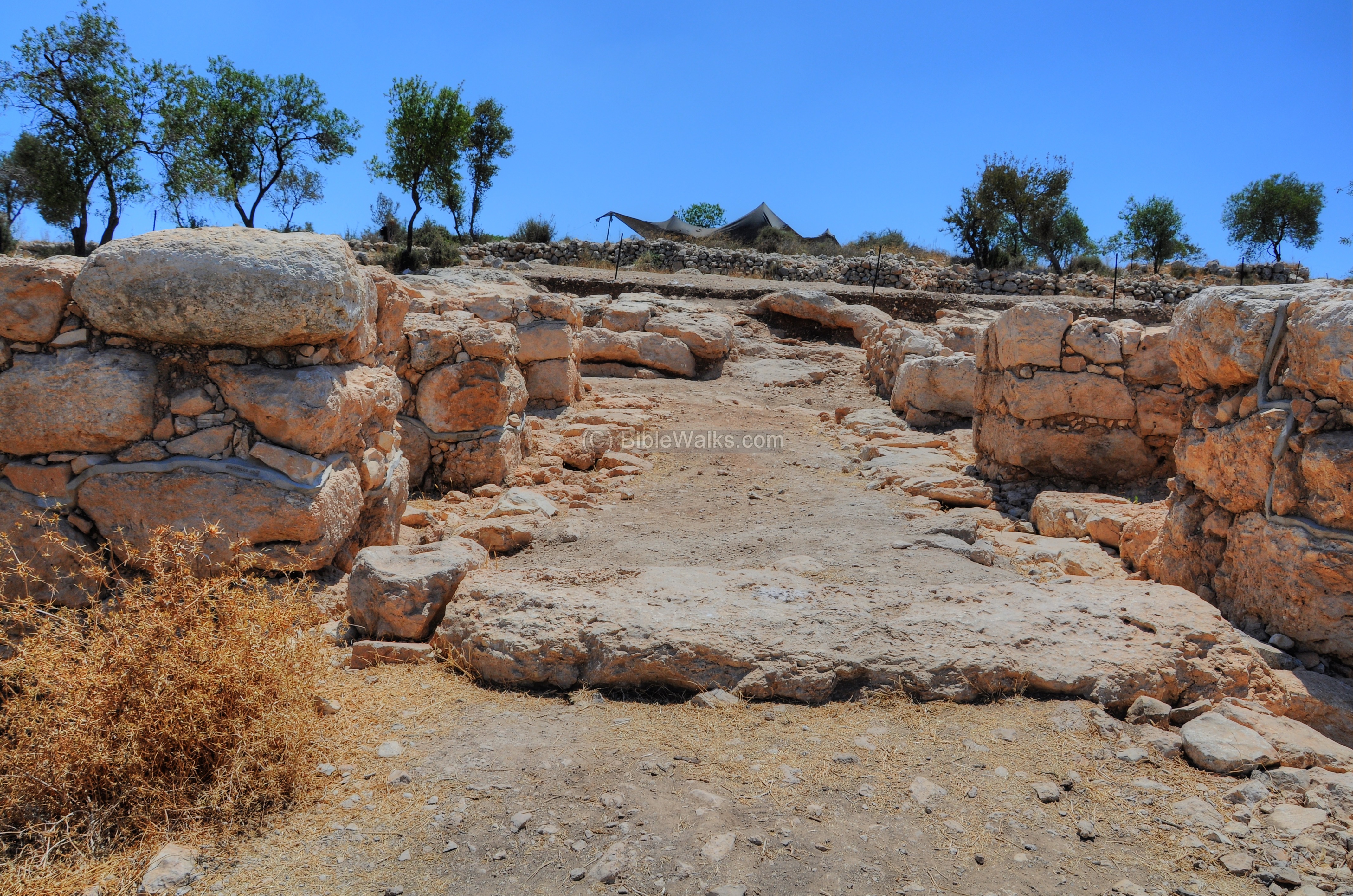
1 Samuel 17:52: “And the wounded of the Philistines fell down by the way to Shaaraim…”
Remains of a Biblical city, dated to the times of David and successor kings of Judah. It was an important fortified gateway city, protecting the western flank of the Kingdom.
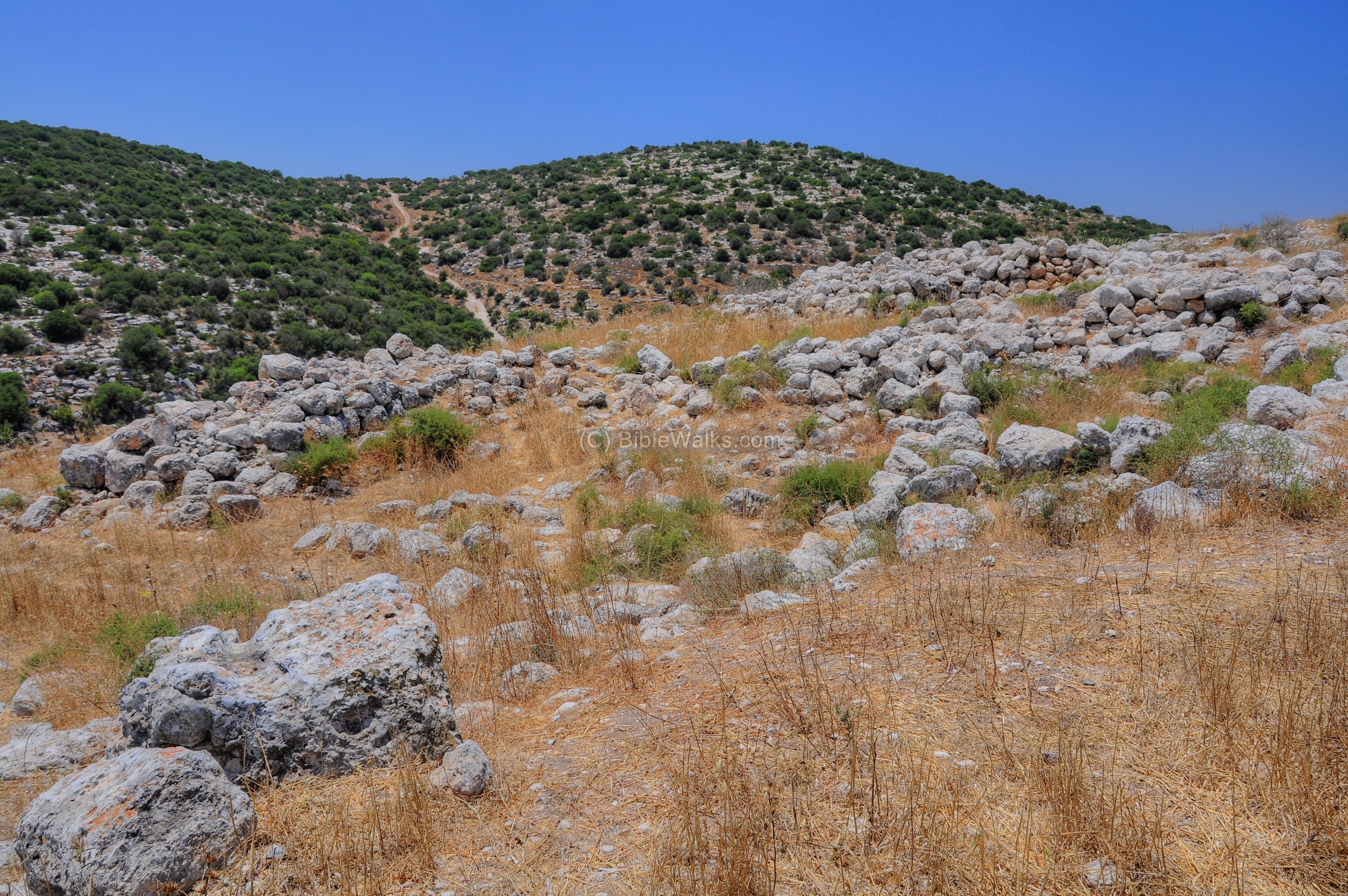
2 Chronicles 11 5-12: “And Rehoboam … built cities for defense in Judah. He built … Shoco…”.
Remains of a mighty Biblical city, located above the valley of Elah. The city was one of the strongholds of the Kingdom of Judah, which protected its western border.
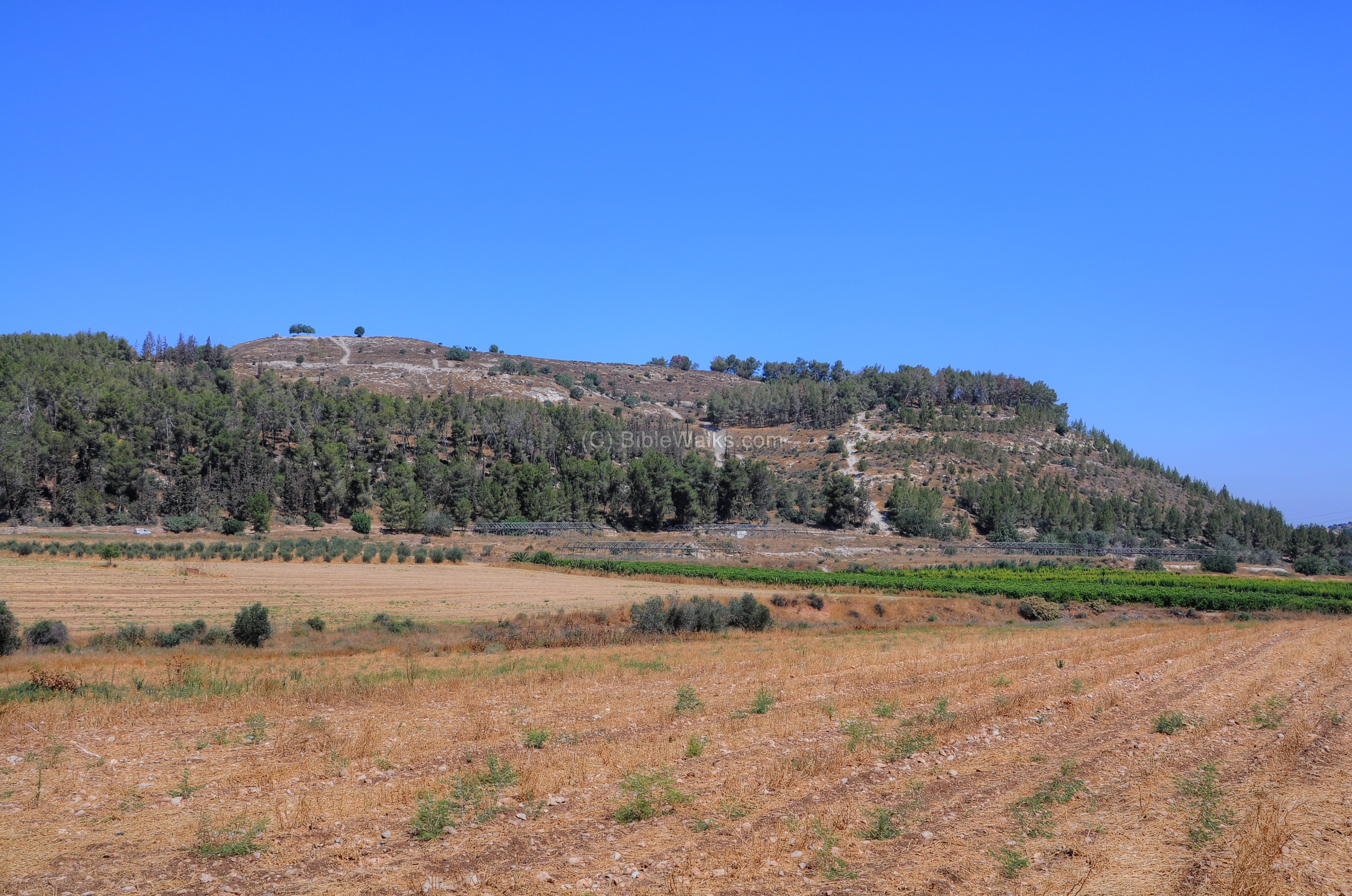
Joshua 10 11: “…the LORD cast down great stones from heaven upon them unto Azekah”.
Remains of a Biblical city, located south of the valley of Elah. This was the home village of the wives of Judah, the hiding place of future king David, and a city fortified by King Rehobam.
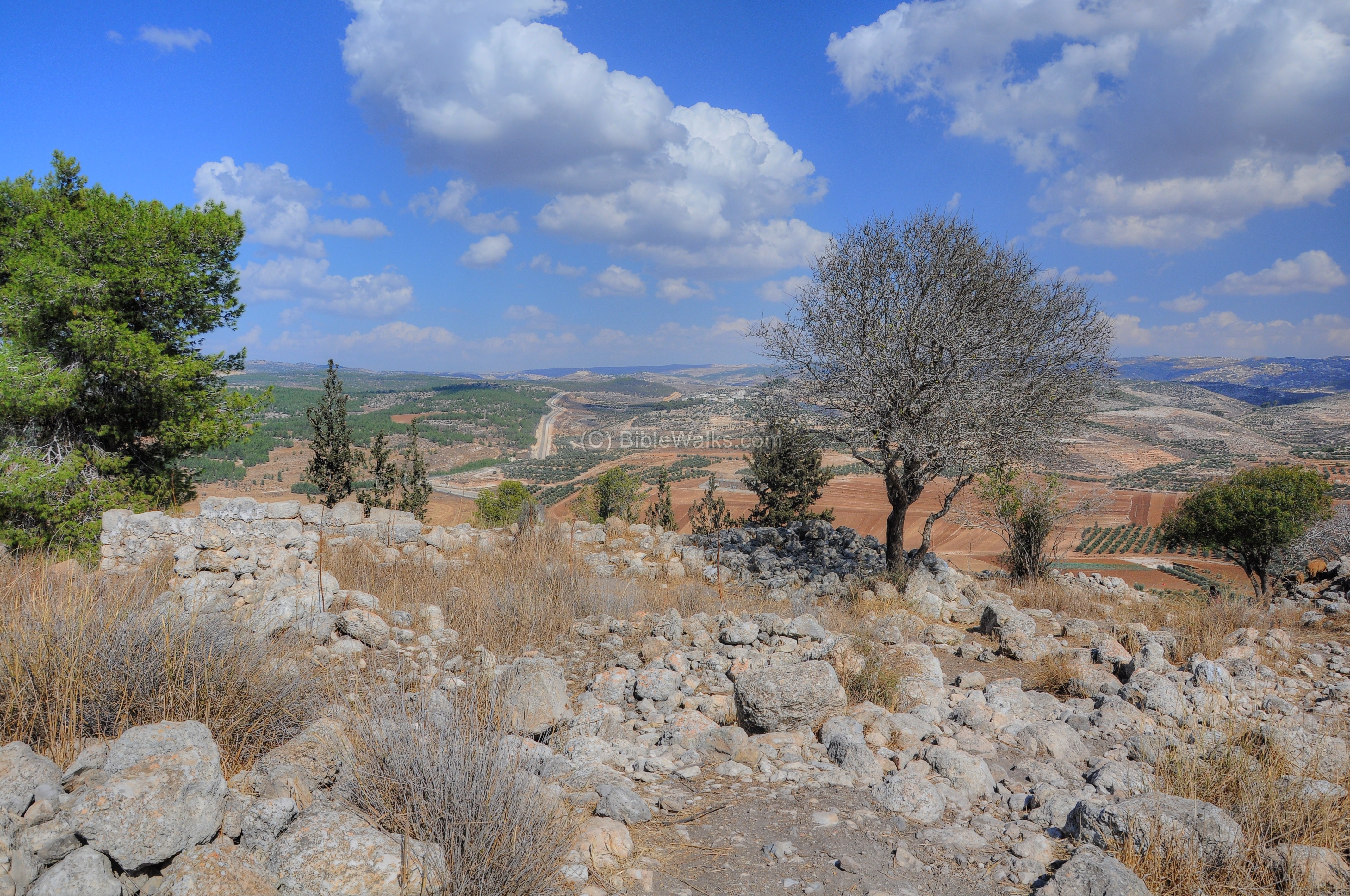
1 Samuel 22:1: “David therefore departed thence, and escaped to the cave Adullam“.
An important Biblical city, located in the valley of Nahal Sorek. Beth Shemesh is mentioned in connection with the return of the Ark of the Covenant by the Philistines.
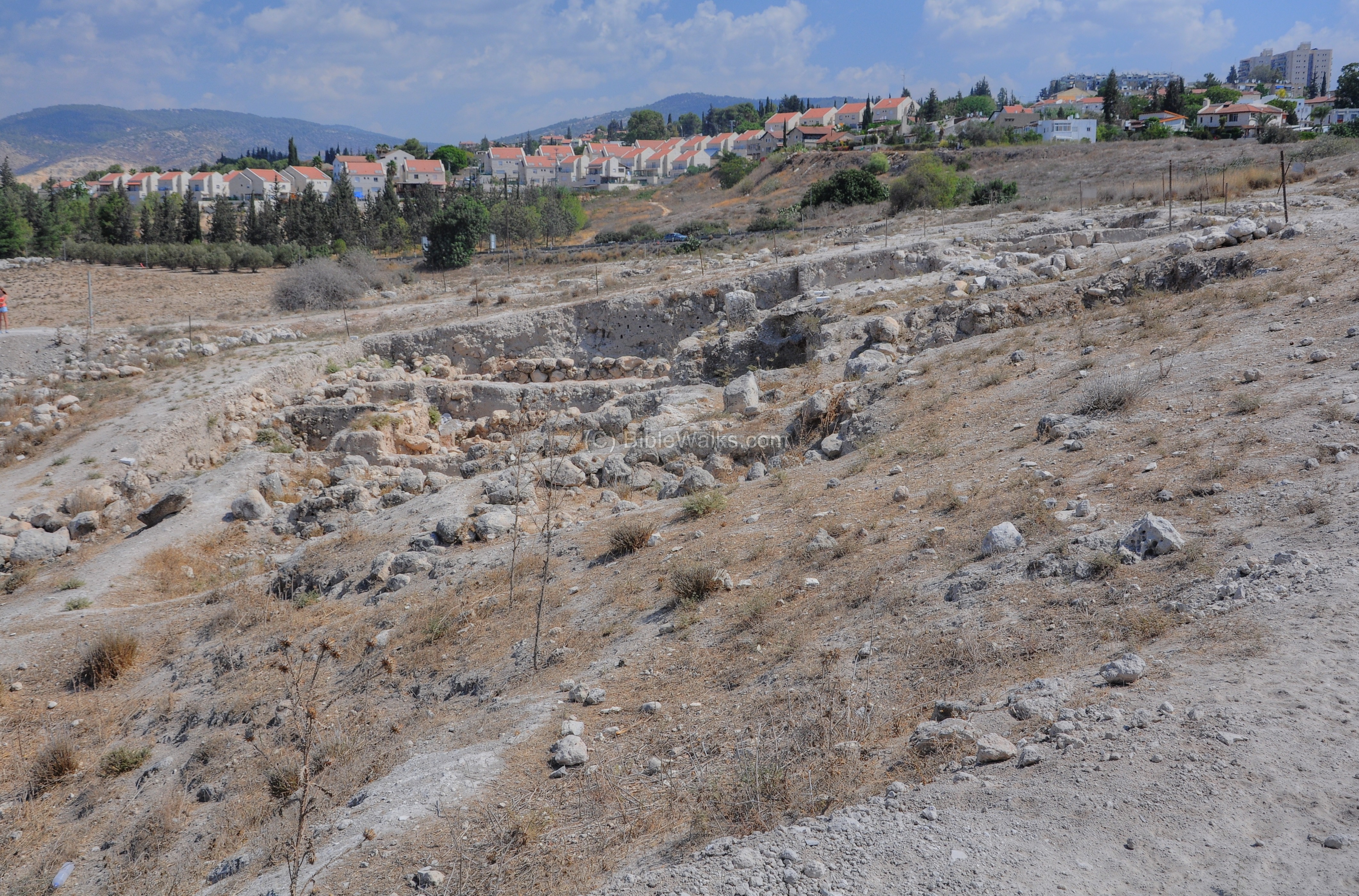
1 Samuel 6:12: “And the kine took the straight way to the way of Bethshemesh, and went along the highway…”
Beit-Jamal is a Monastery, located south of Beth-Shemesh. It is named after Gamaliel the Elder, and is the place of his burial and of St. Stephen – the first Christian martyr.
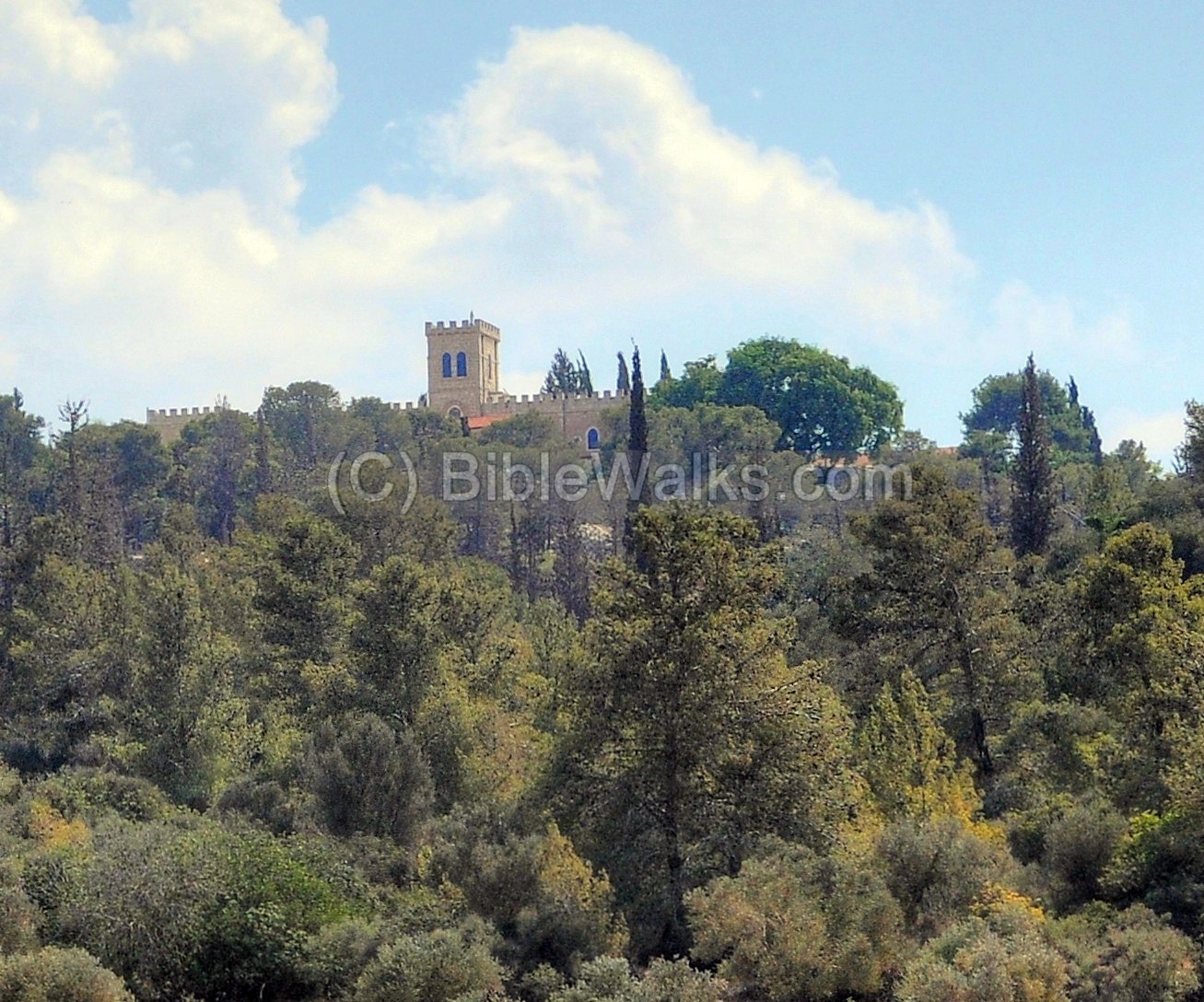
A collection of Roman milestones, on the road from Ashkelon to Jerusalem.
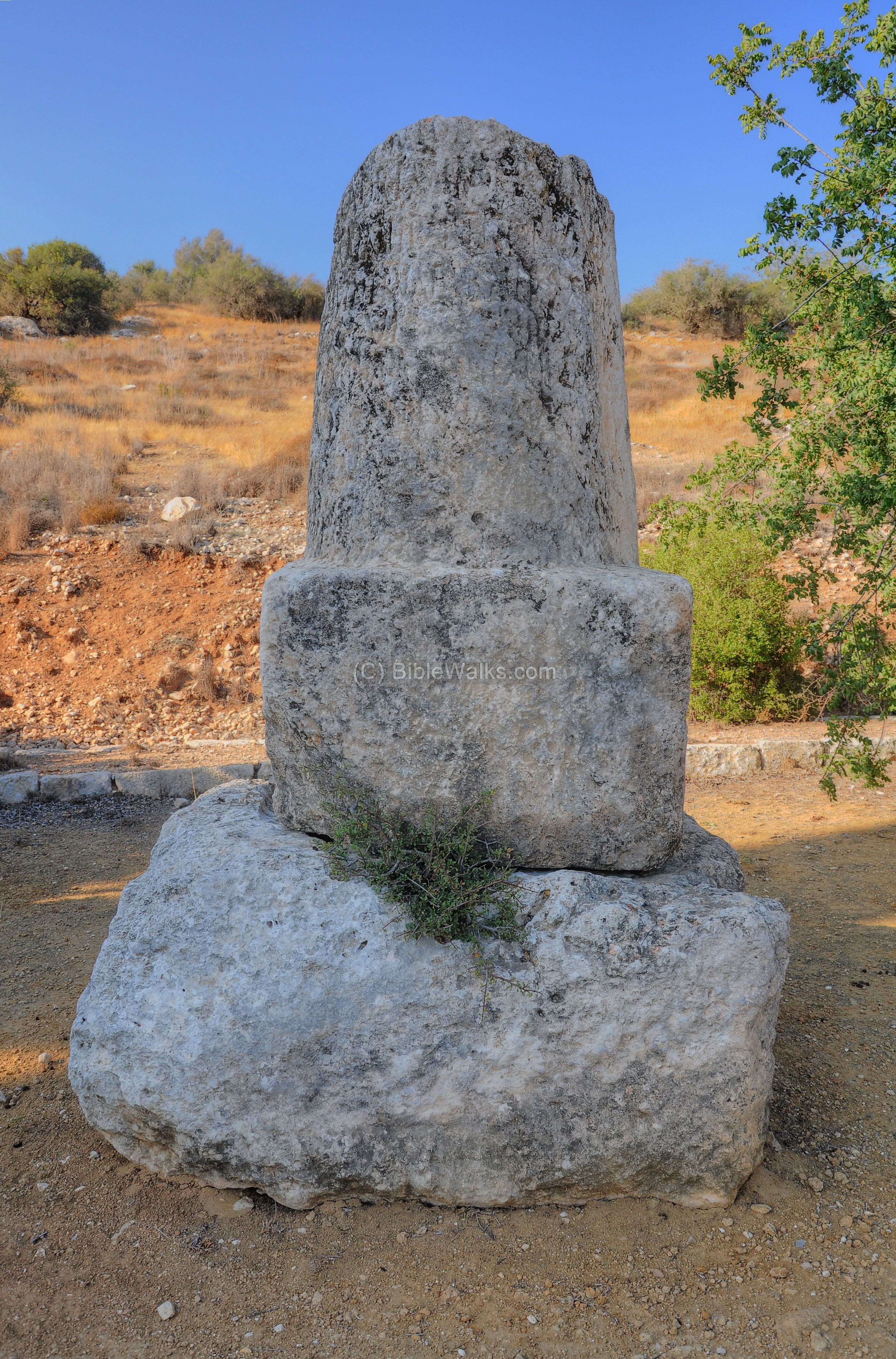
Nahal Sekhakha (Secacah stream)
A narrow canyon north of the fortress of Horkania, with remains of a Byzantine monastery, water reservoirs, and two ancient mysterious tunnels.

Secacah (Sekhakha), part of Biblical Judea, is identified in the ruins of Karem es-Samra (“black vineyard”), in the valley of Horkania, west of the ancient fortress.
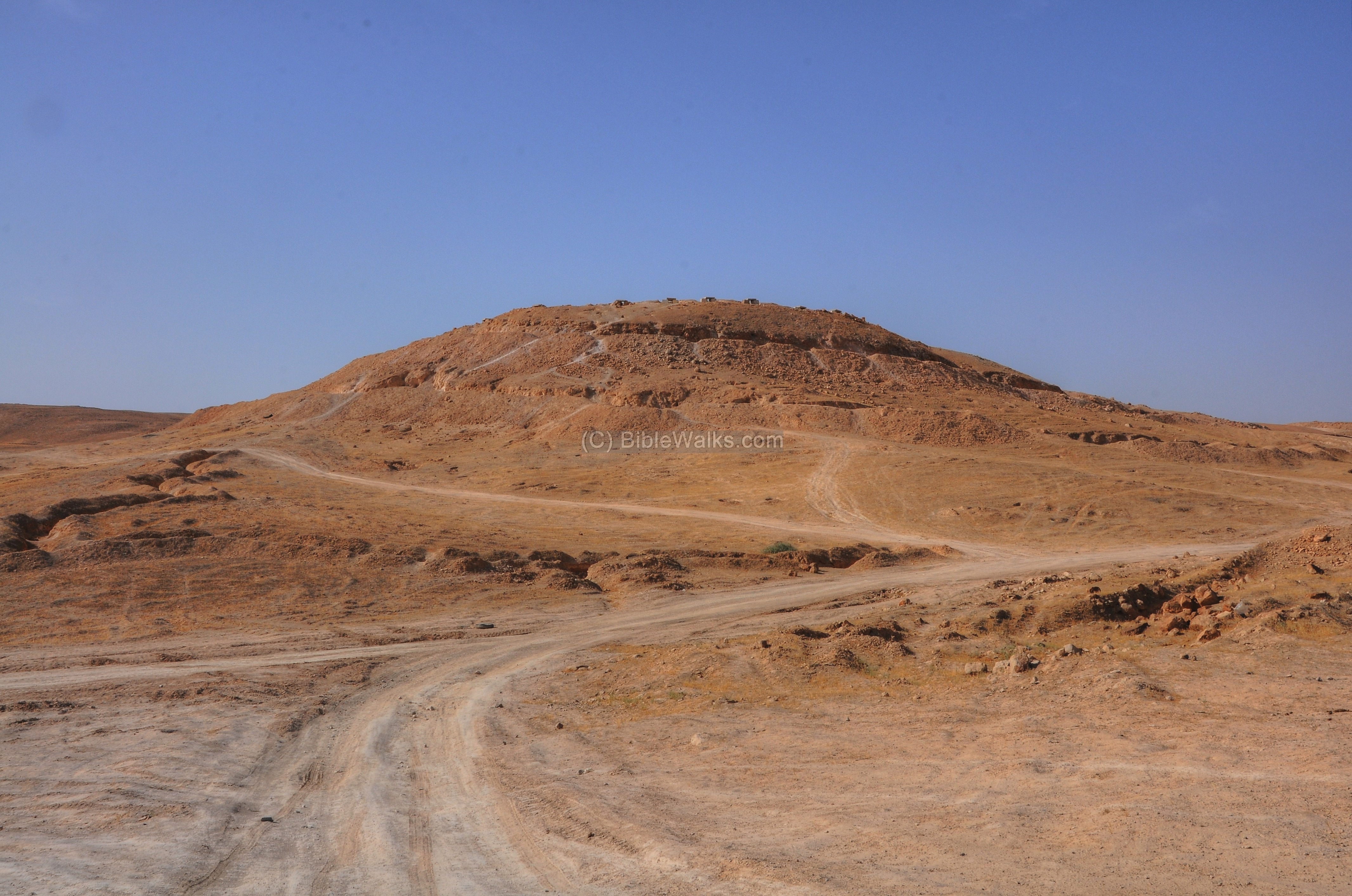
Joshua 15 61: “In the wilderness, Betharabah, Middin, and Secacah“.
The second most important fortified city in the kingdom of Judea, guarding a main road from Egypt to Jerusalem.

2 Chron. 32 9: “Sennacherib … laid siege against Lachish”.
Remains of an ancient village, located on a rocky hill in the southern Judean hills.
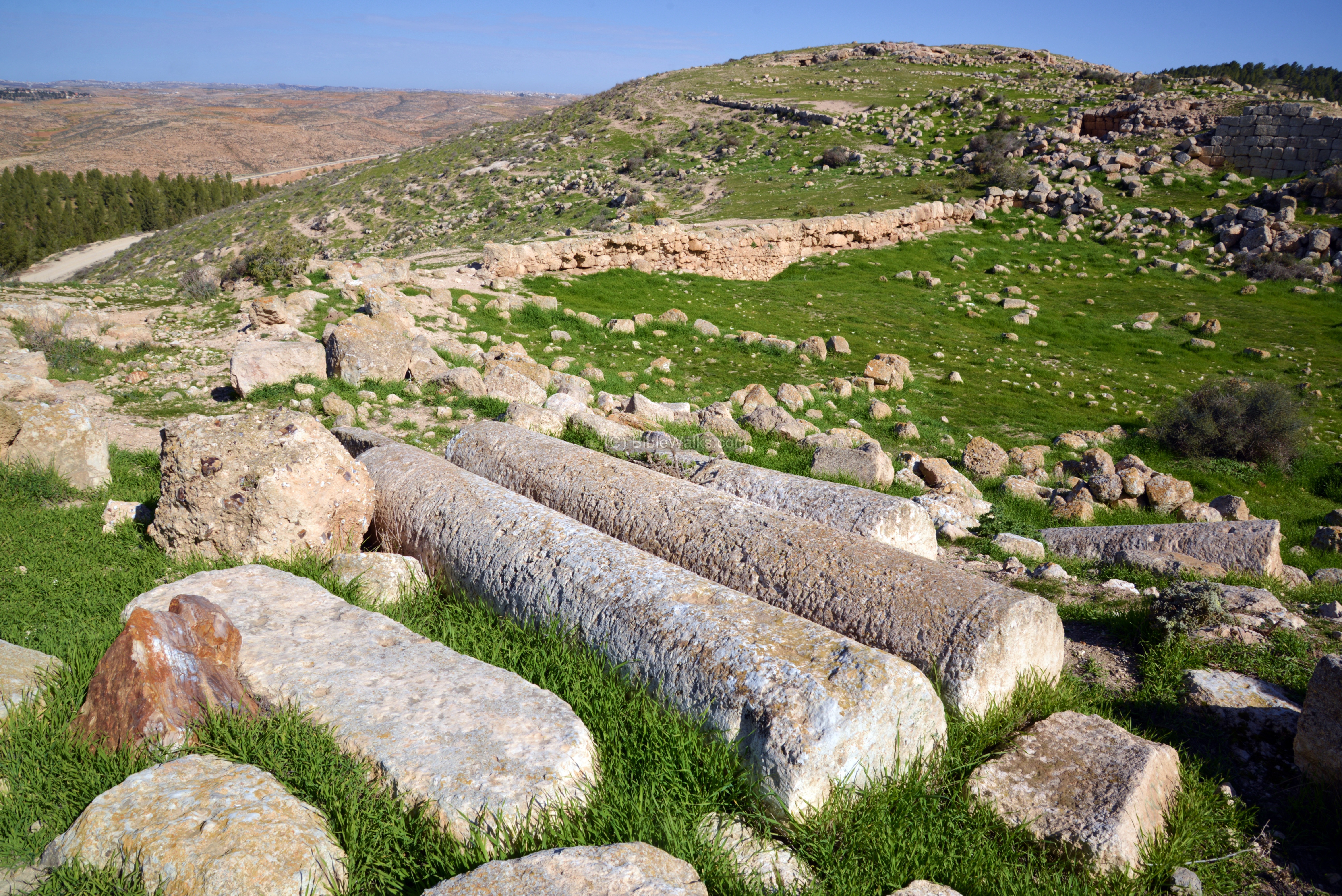
Joshua 21:14: “And Jattir with her suburbs”.
Remains of an ancient village, dated to the Israelite and Byzantine periods. Ruins of a synagogue, fortress and agriculture installations.
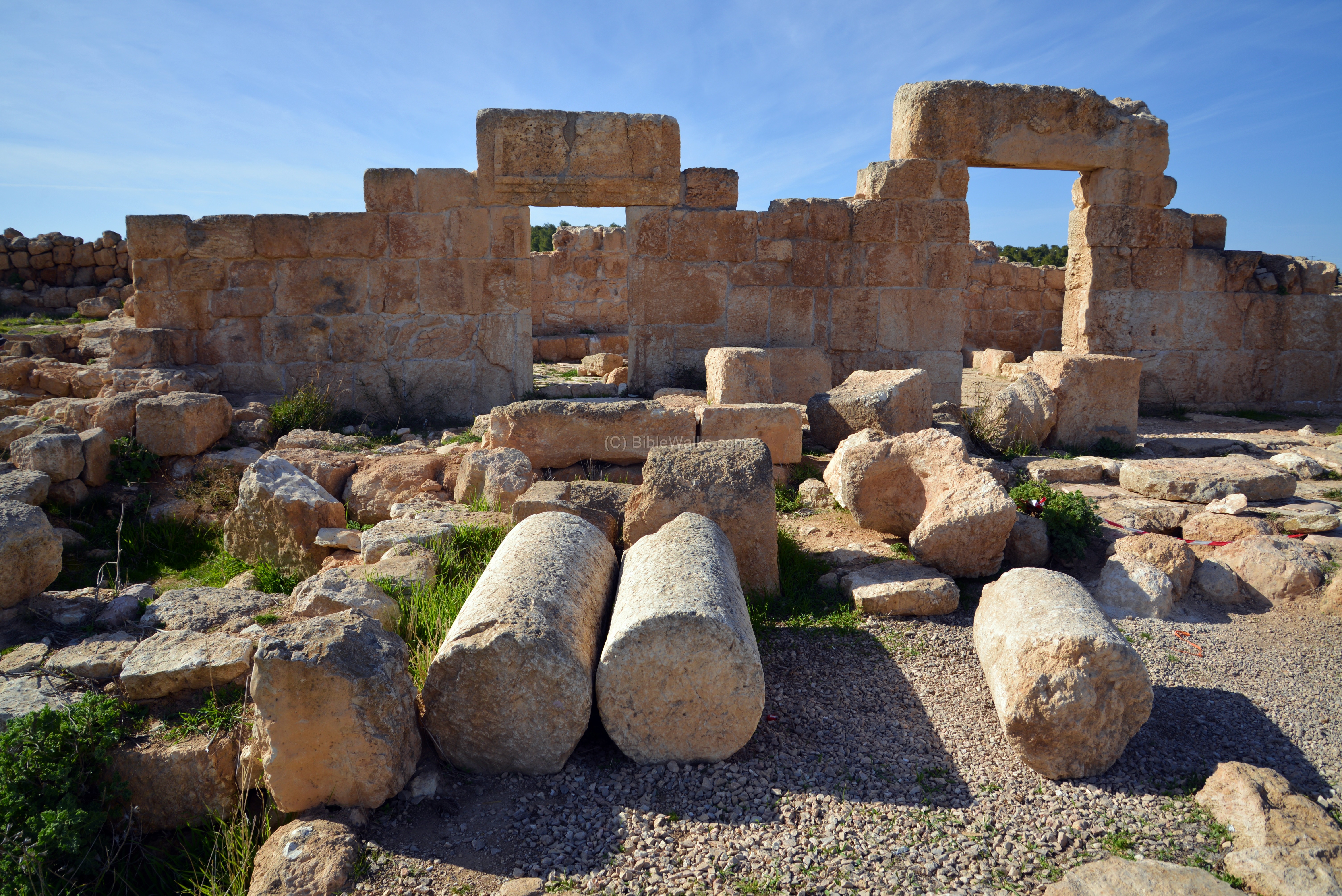
Joshua 15: 20, 50: “This is the inheritance of the tribe of the children of Judah … And Anab, and Eshtemoh, and Anim”
Remains of a Roman and Byzantine period village. Identified as Kerioth, birth place of Judas Iscraiot.
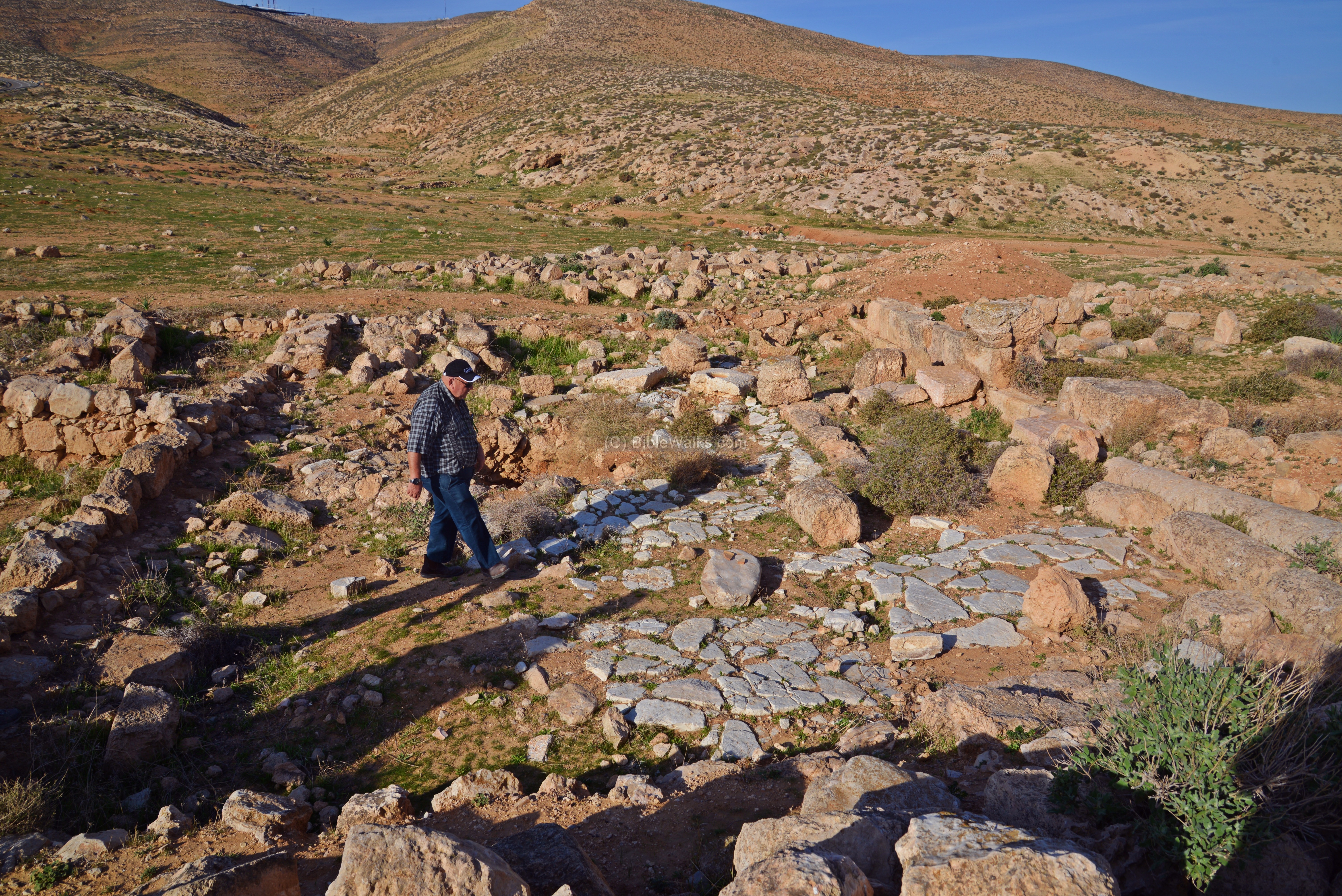
(Joshua 15: 20, 25): “This is the inheritance of the tribe of the children of Judah … And Hazor, Hadattah, and Kerioth,…”
Tel Arad National park consists of the ruins of a large walled Canaanite city and fortresses dated to the Israelite Kingdom period.
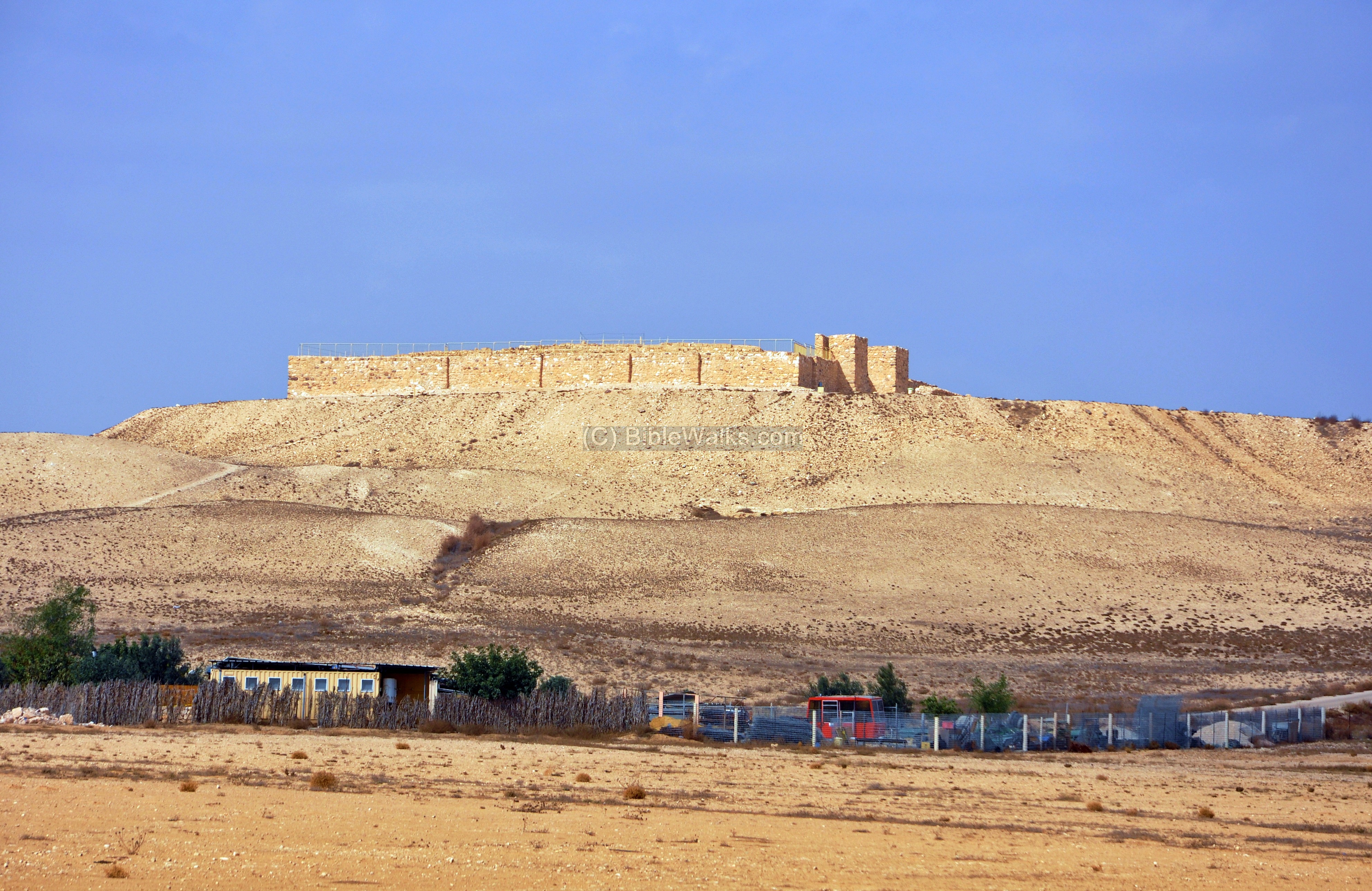
Numbers 21:1: “And when king Arad the Canaanite… heard tell that Israel came by the way… then he fought against Israel…”.
Hebron is one of the Holiest ancient cities in the Holy Land, and the place of the burial cave of Patriarchs and Matriarchs.
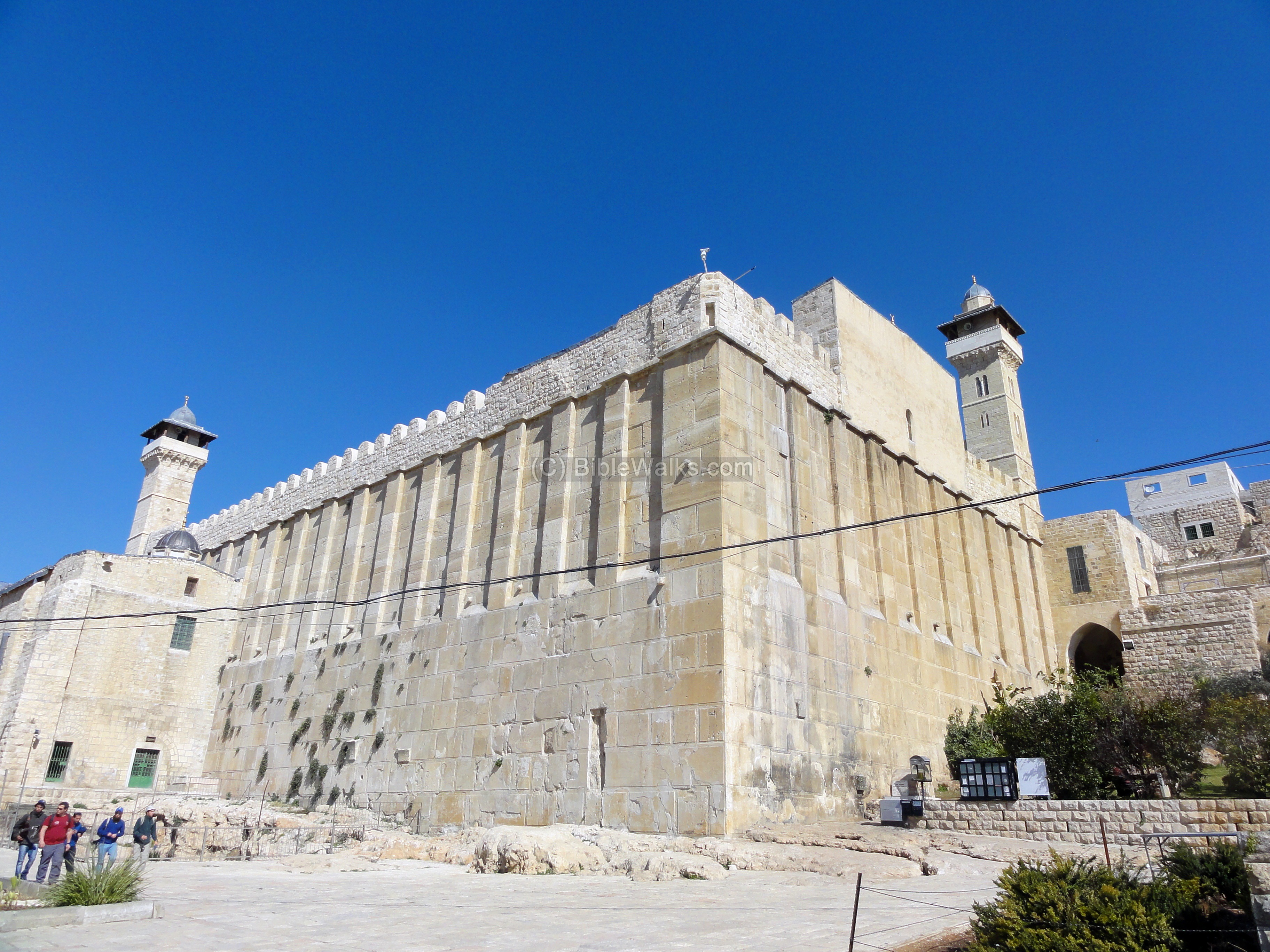
2 Samuel 2:11: “And the time that David was king in Hebron over the house of Judah”.
Ruins of a Biblical city on a high hill in western Judea.
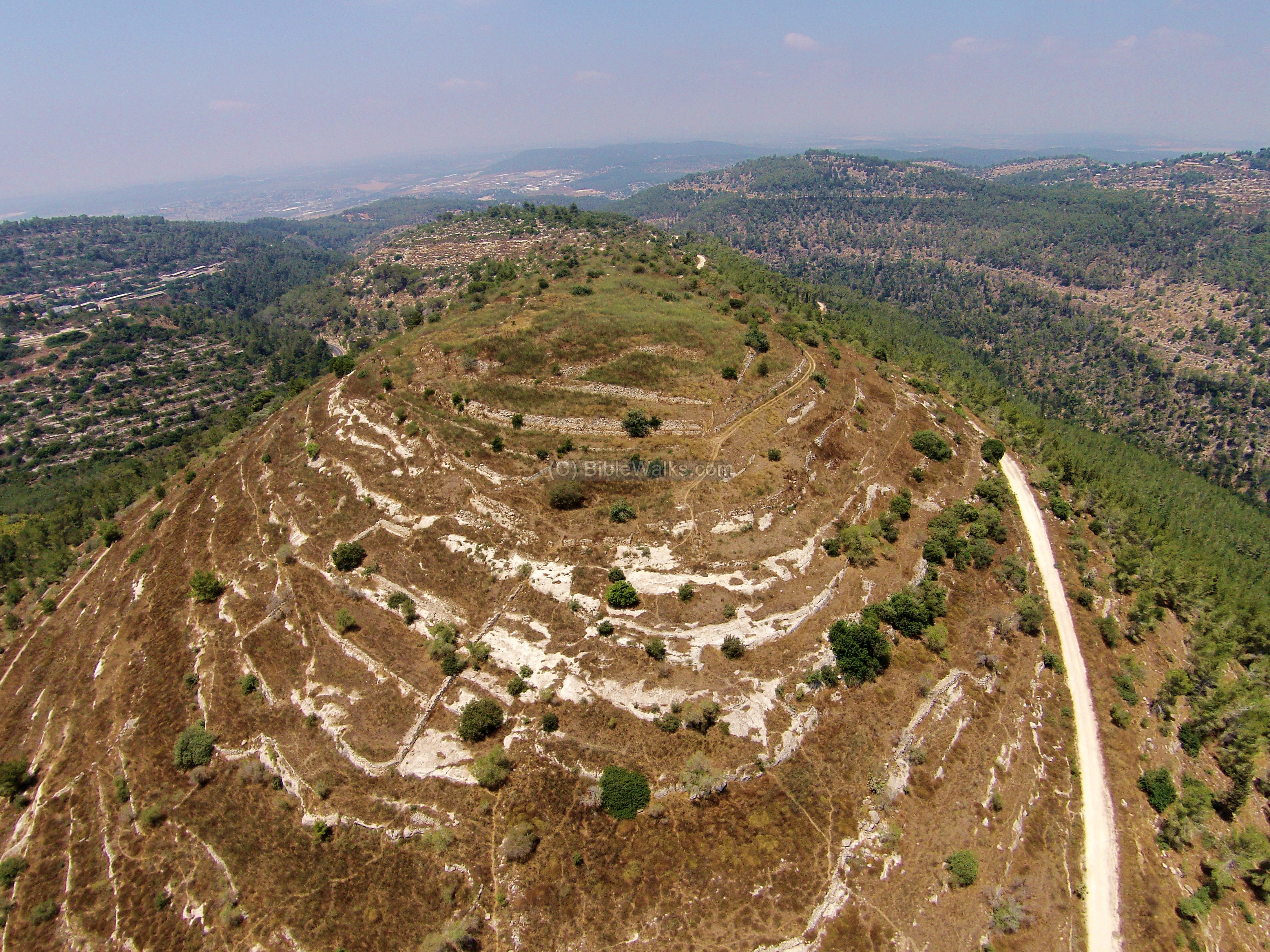
Joshua 15:10: “And the border … passed along unto the side of mount Jearim, which is Chesalon, on the north side…”.
An ancient cliff hanging Byzantine monastery in the valley of Wadi Qelt, near Jericho.
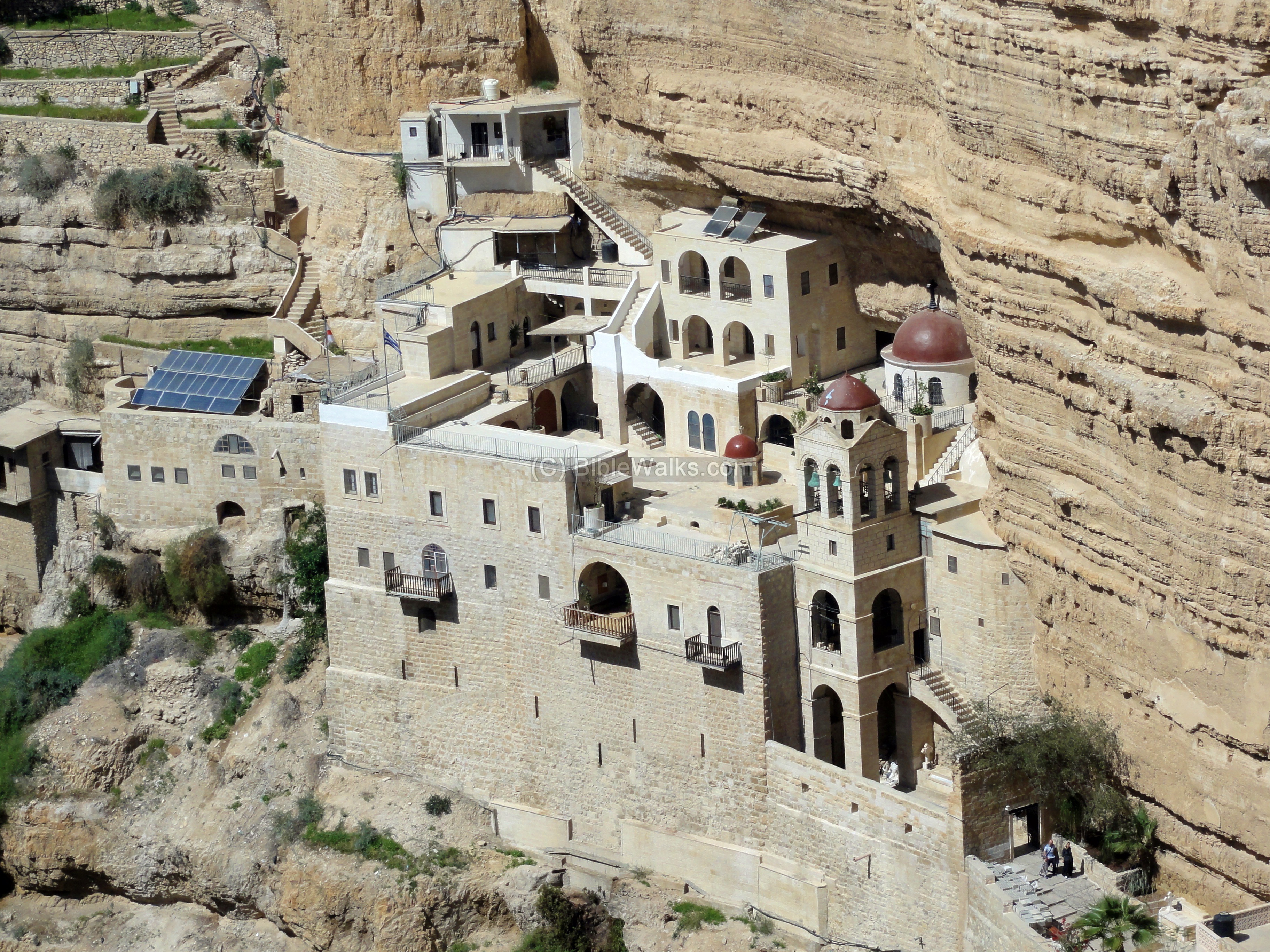
1 Kings 19:9: “And he came thither unto a cave, and lodged there; and, behold, the word of the LORD came to him, and he said unto him, What doest thou here, Elijah?”.
Remains of a large Biblical city located in the Judean low hills region west of Hebron, identified as city of Eglon.
(Joshua 10 5): “Therefore the five kings of the Amorites… king of Eglon, gathered themselves … and made war against it”.
Ruins of a large Canaanite and Israelite city in the southern low hills of Judea.
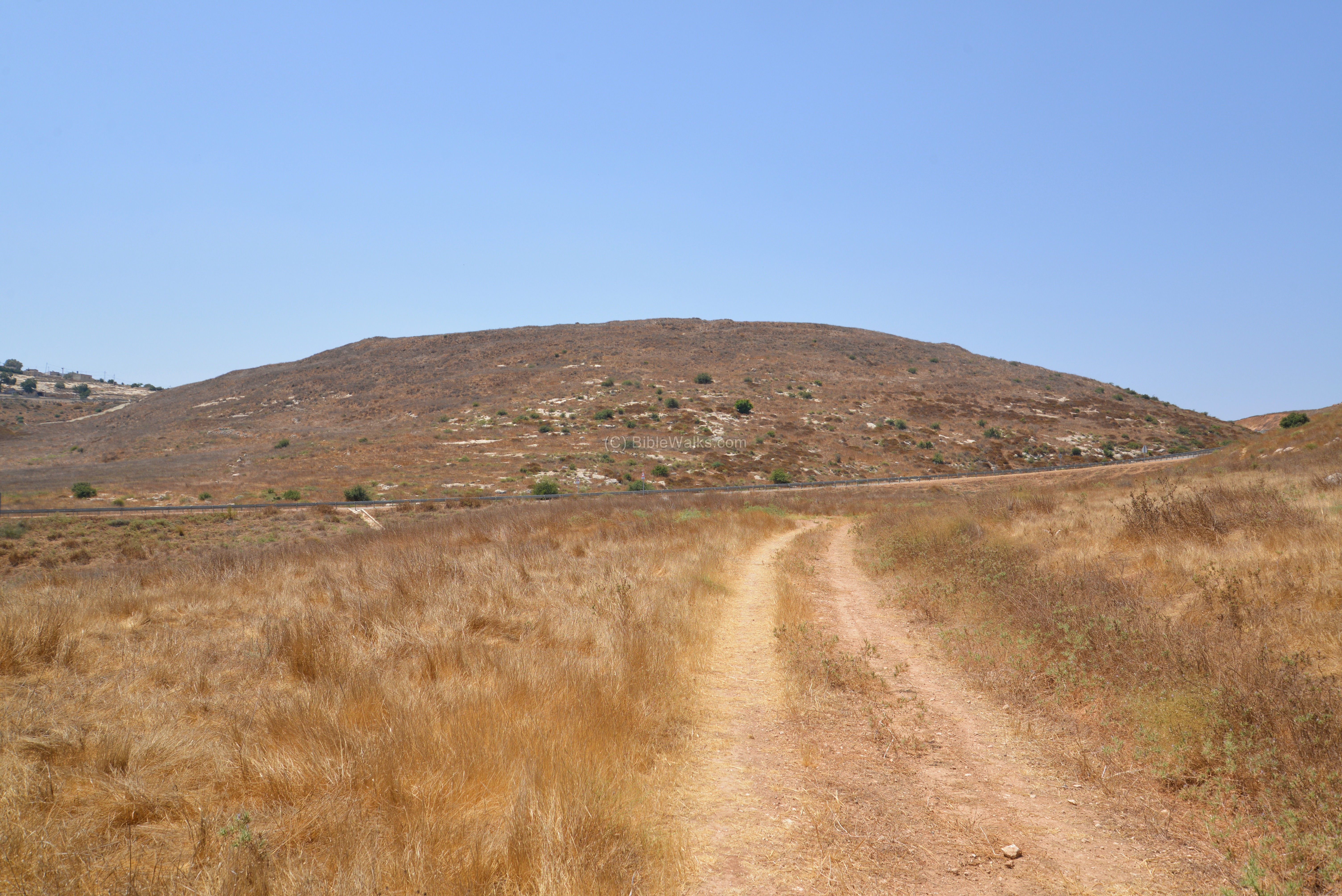
Ancient Iron Age and Hellenistic period city, with an amazing underground lower city. A UNESCO World heritage site.
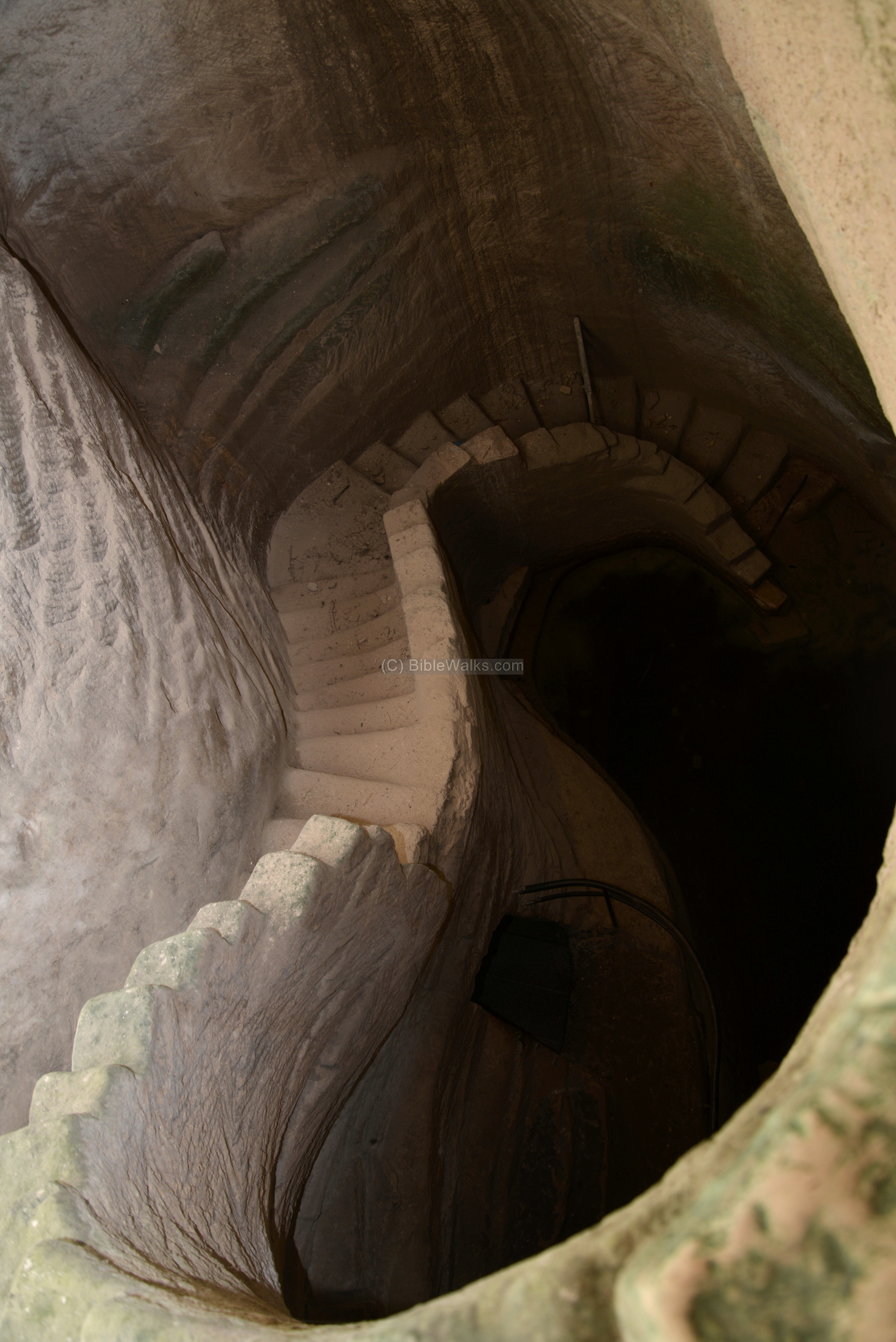
Additional places near Tel Maresha – Sidonian burial caves, ruins of St. Anna church, Roman milestone.
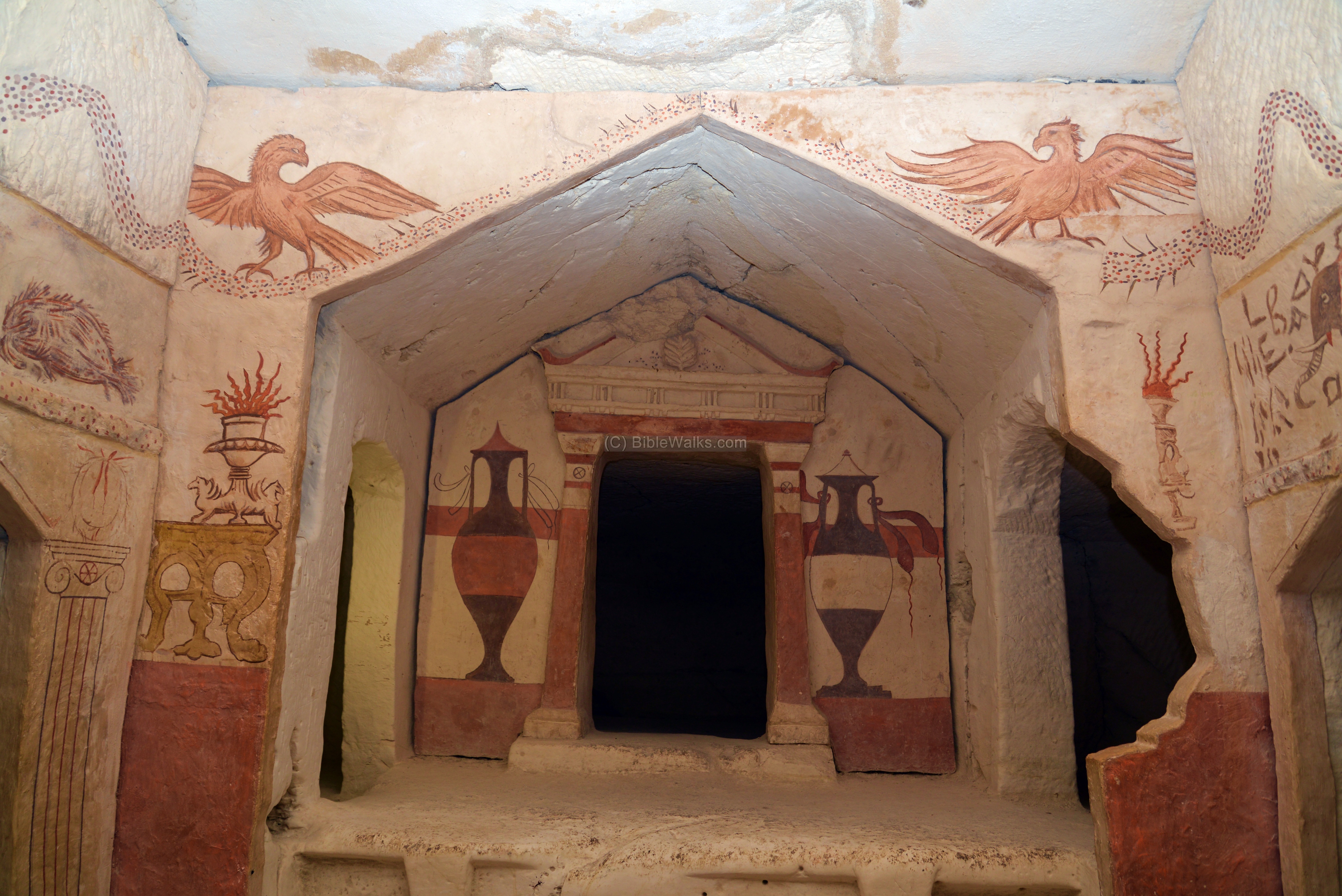
A sacred site in Beit El is suggested as the place of Jacob’s dream.
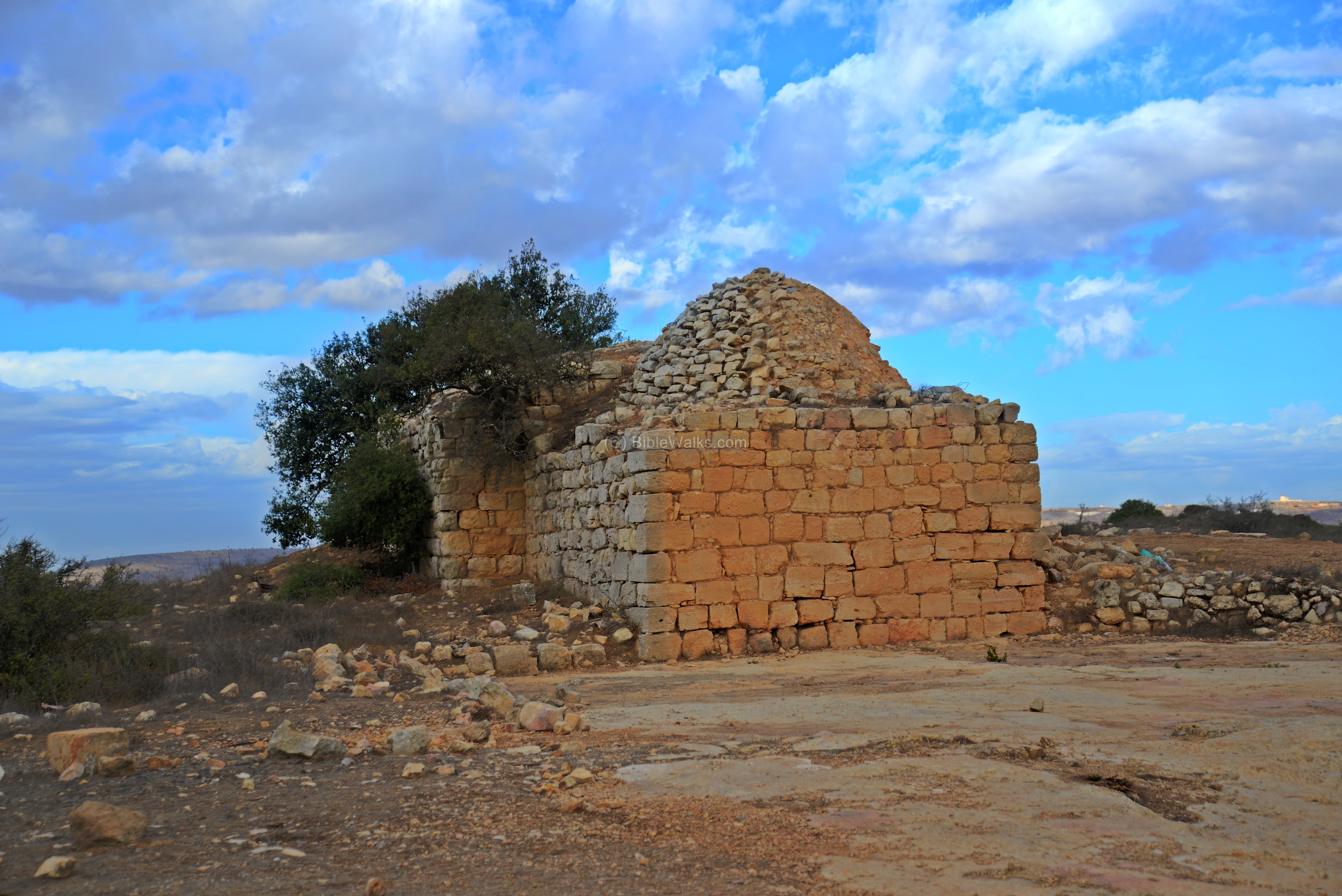
Genesis 28:12: “And he dreamed, and behold a ladder set up on the earth, and the top of it reached to heaven…”.
Psagot – kh. Nisya (Nisieh)
Ruins of a Biblical city in the community of Psagot. This may have been the site of Joshua’s Ai.
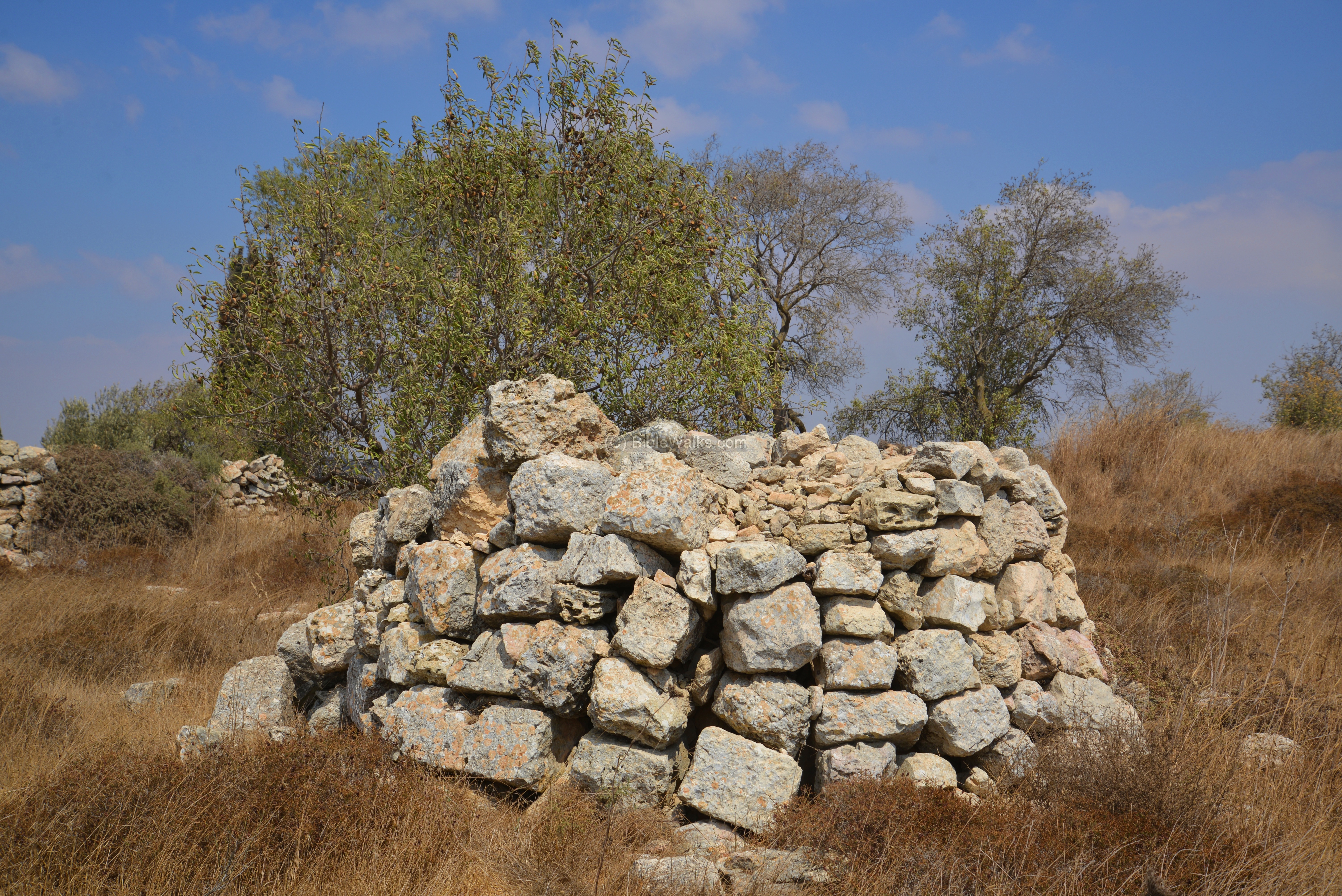
Joshua 7:2: “And Joshua sent men from Jericho to Ai…”
Bronze and Iron age findings in the area between Ma’ale Michmash and Michmas.
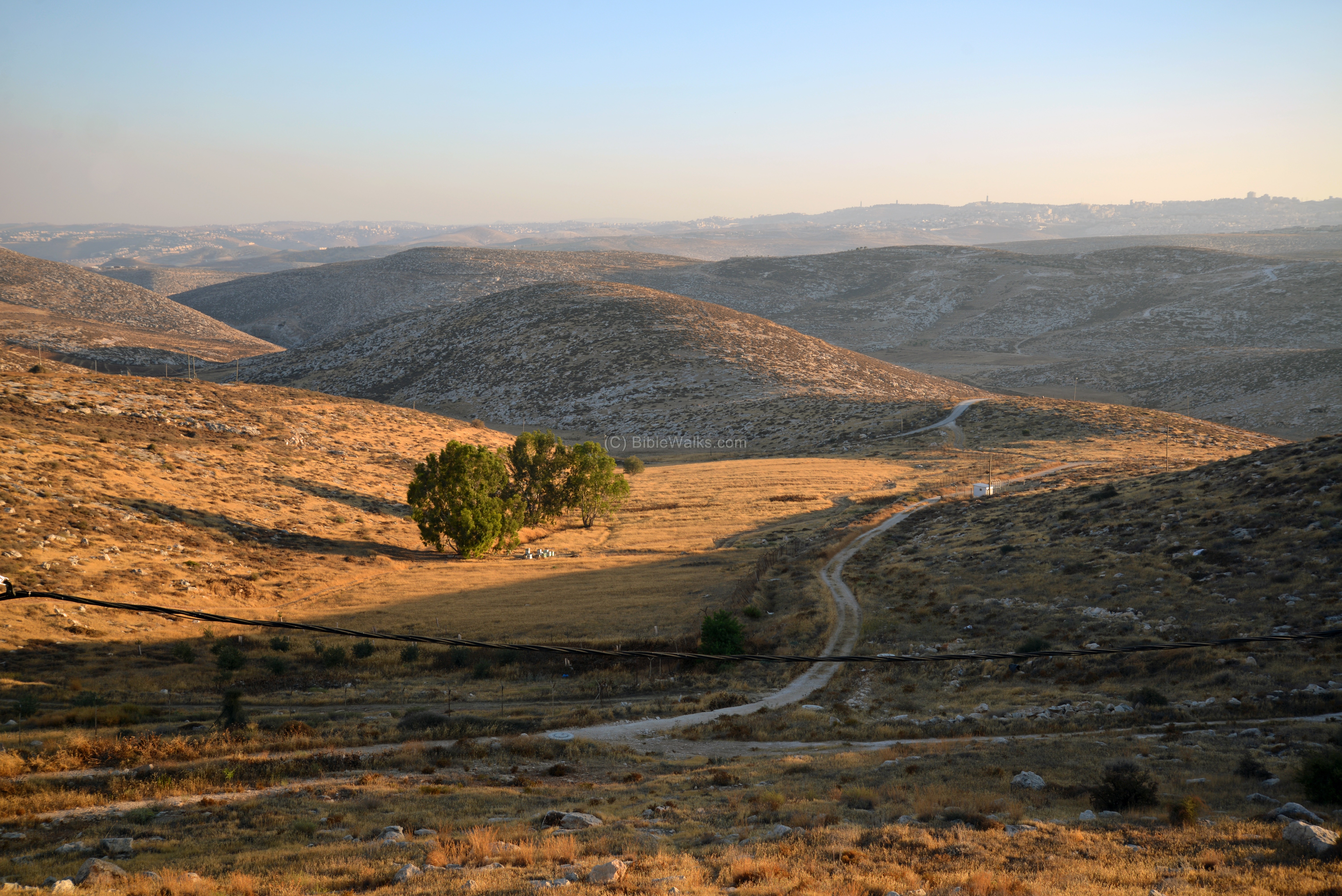
1 Samuel 13:5: “And the Philistines gathered themselves together to fight with Israel… and they came up, and pitched in Michmash“.
Ruins of a Late Roman desert fortress, that was converted to a Byzantine monastery.
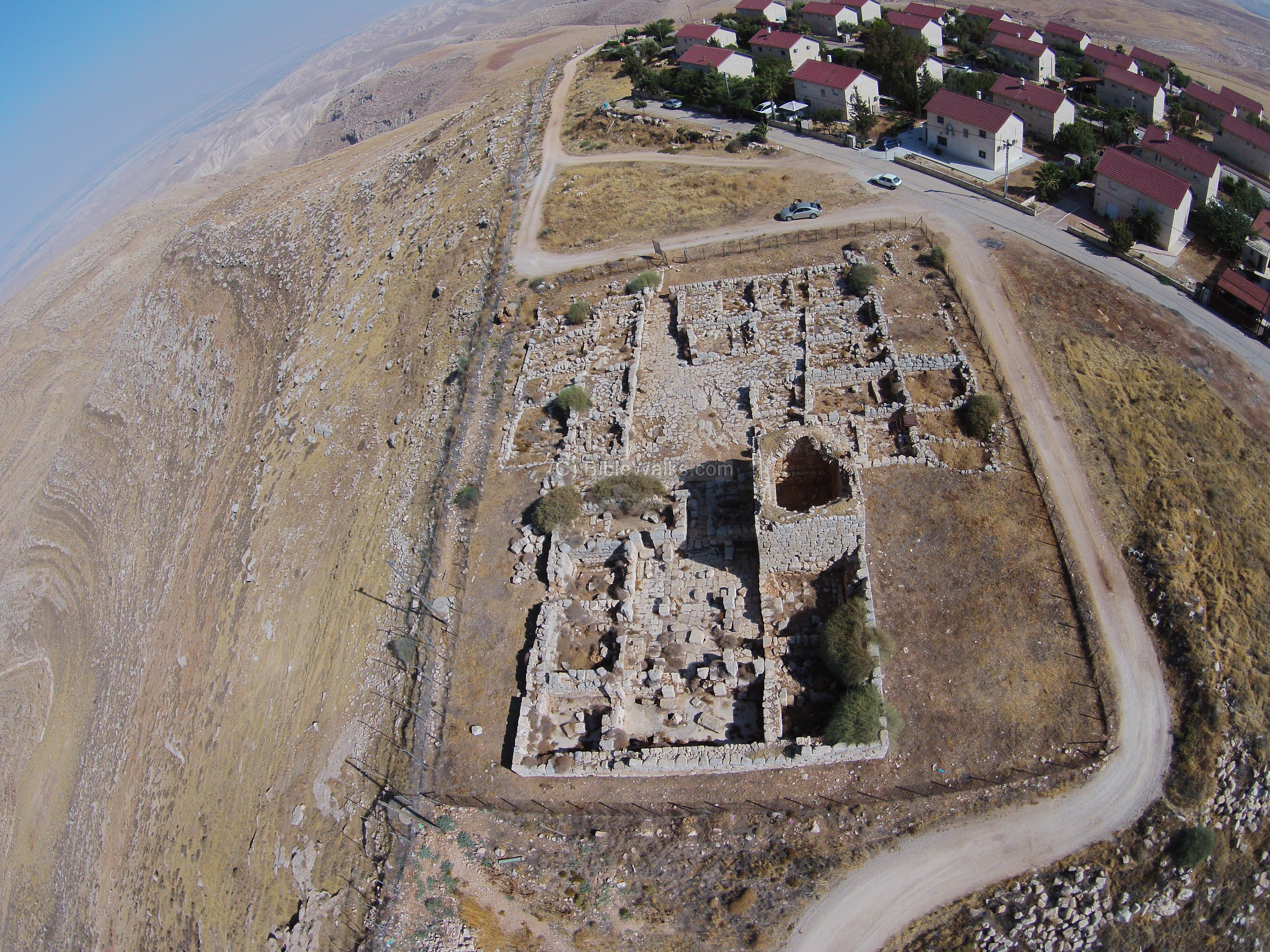
Ruins of a second temple period fortified village, west of Gush Etzion.
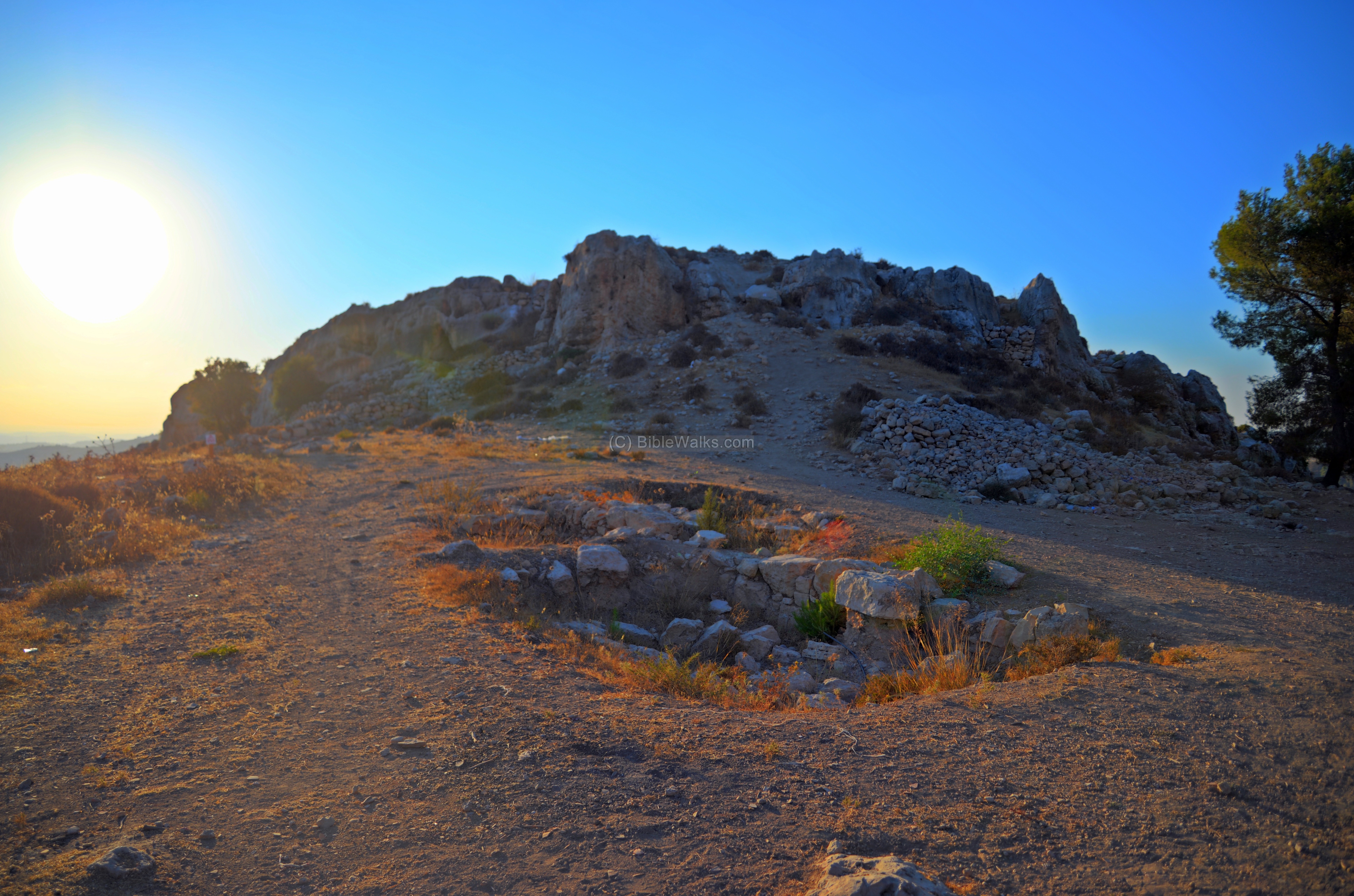
Ruins of a second temple period fortified village, west of Zur Hadasah. Identified as the village of Geresa.
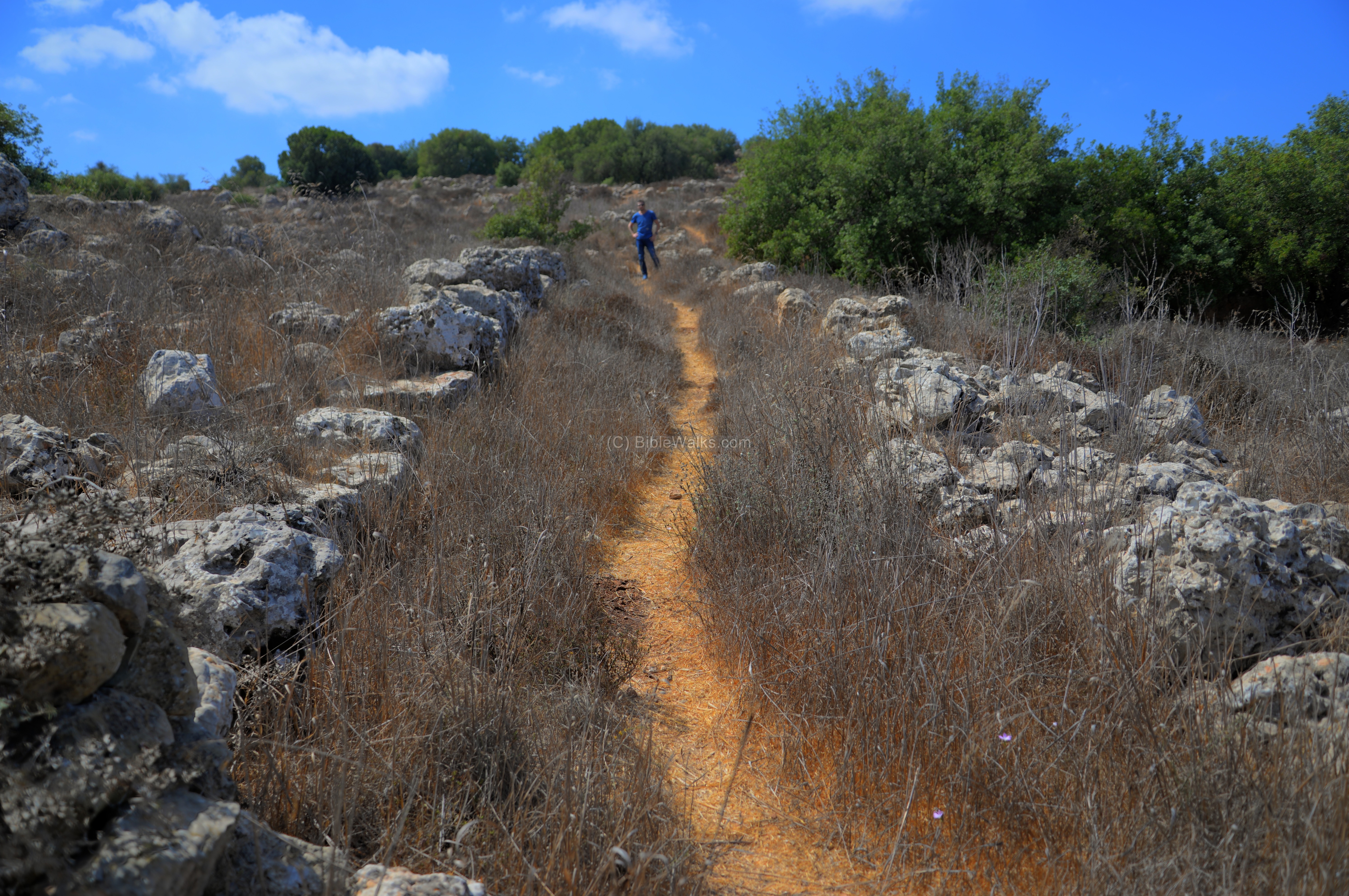
Wars 4,9,1: “Vespesian… also sent Lucius Annius to Gerasa.”
On the west side of the Mar Elias monastery, is a site named “Airplane hill” (Giv’at Hamatos, Khirbet Tabaliya).
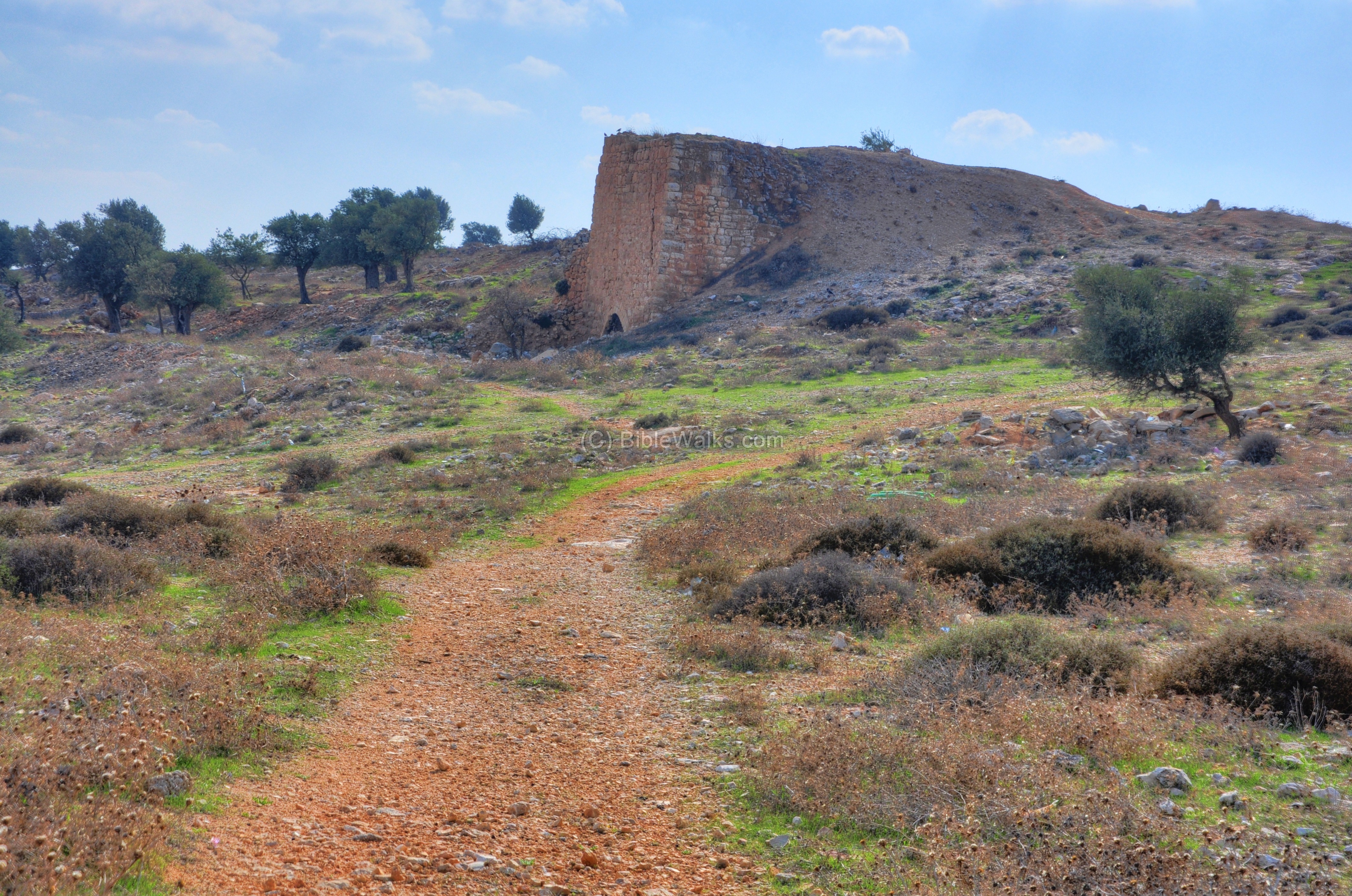
On the east side of the Mar Elias monastery, is a site named “Hill of the Four” (Giv’at Ha’Arba’a). This web page reviews the major points of interest on the hill.
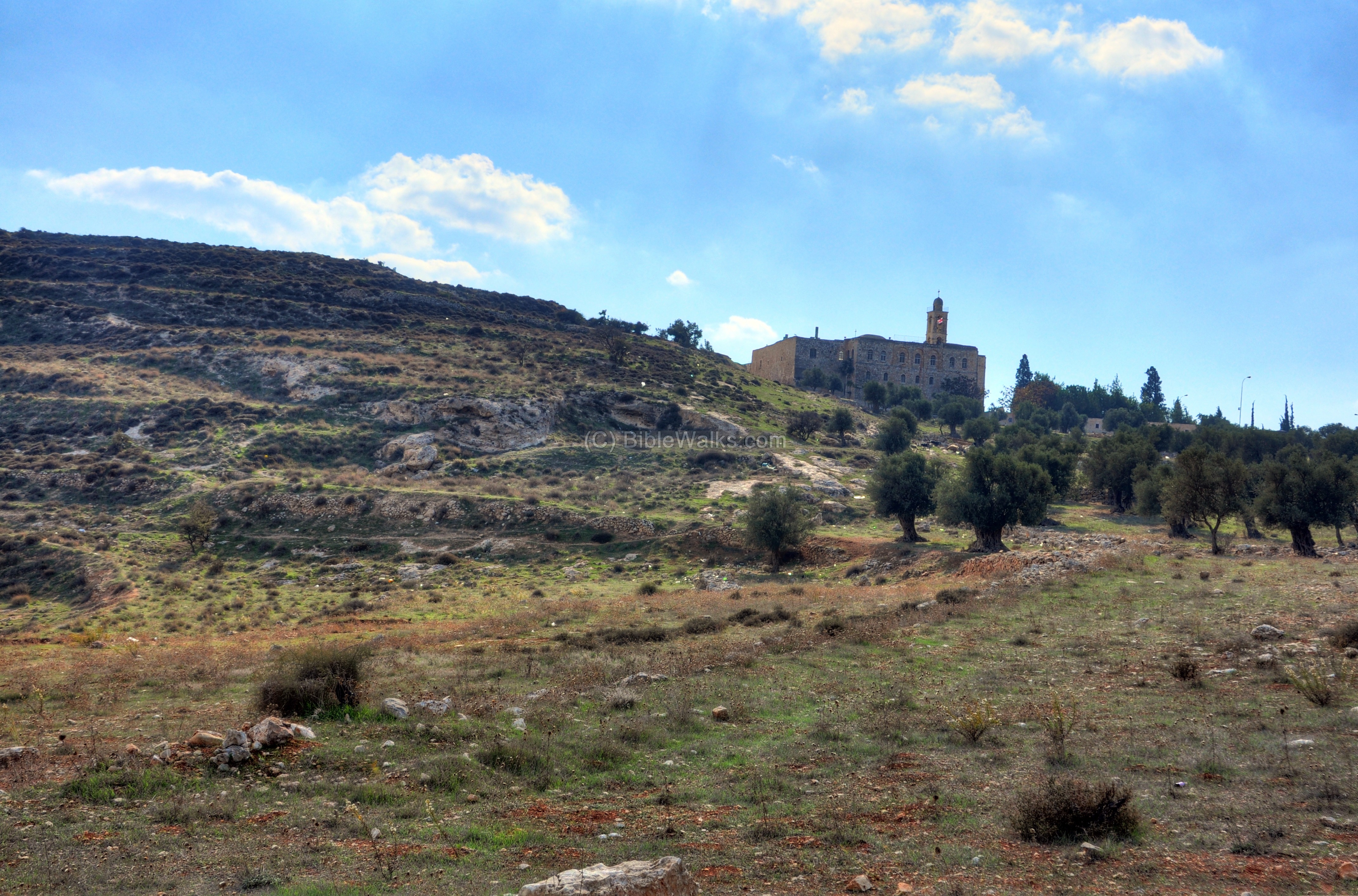
The tomb of Rachel, wife of Jacob, is located on the side of the way to Bethlehem where she died at childbirth, giving birth to Benjamin.

Yarmut (Jarmuth) was a major Early Bronze II-III period city, located on a vast mound overlooking Ramat Beit Shemesh. A monumental Early Bronze III palace was exposed on the lower city. Occupation continued 1000 years later on the upper city during the Late Bronze and Iron Age periods, and was one of the Amorite cities that attempted to block Joshua and the Israelites.
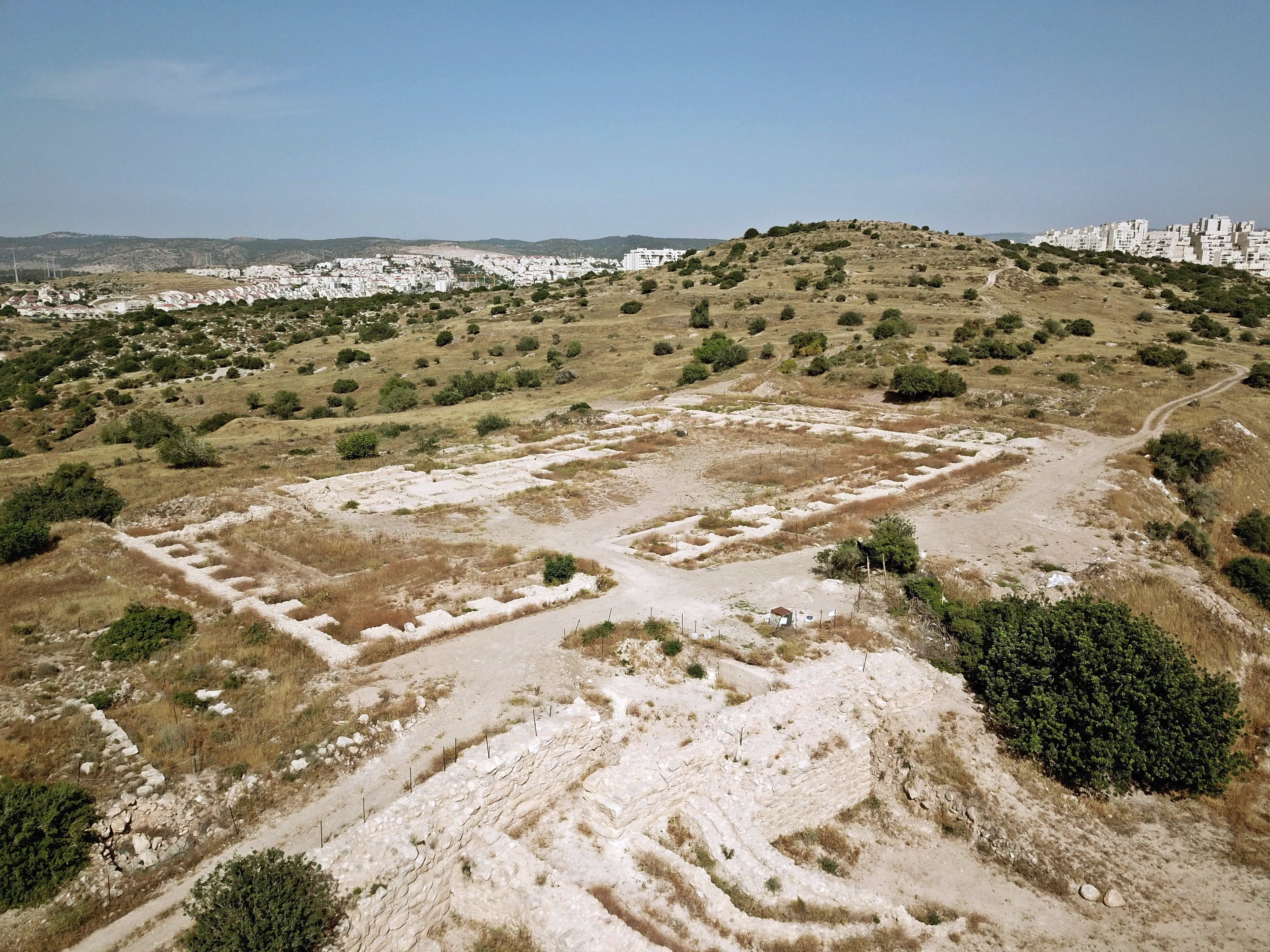
Ruins of an Early-Roman Jewish rural village in the Judean foothills region, south of the valley of Elah. The remains include residential houses, cisterns, several ritual baths (Miqveh), ancient synagogue, wine presses and other farming installations.

A large archaeological site in the Judean Shephelah region, with remains of a rich Early Roman period rural settlement and a Byzantine church.
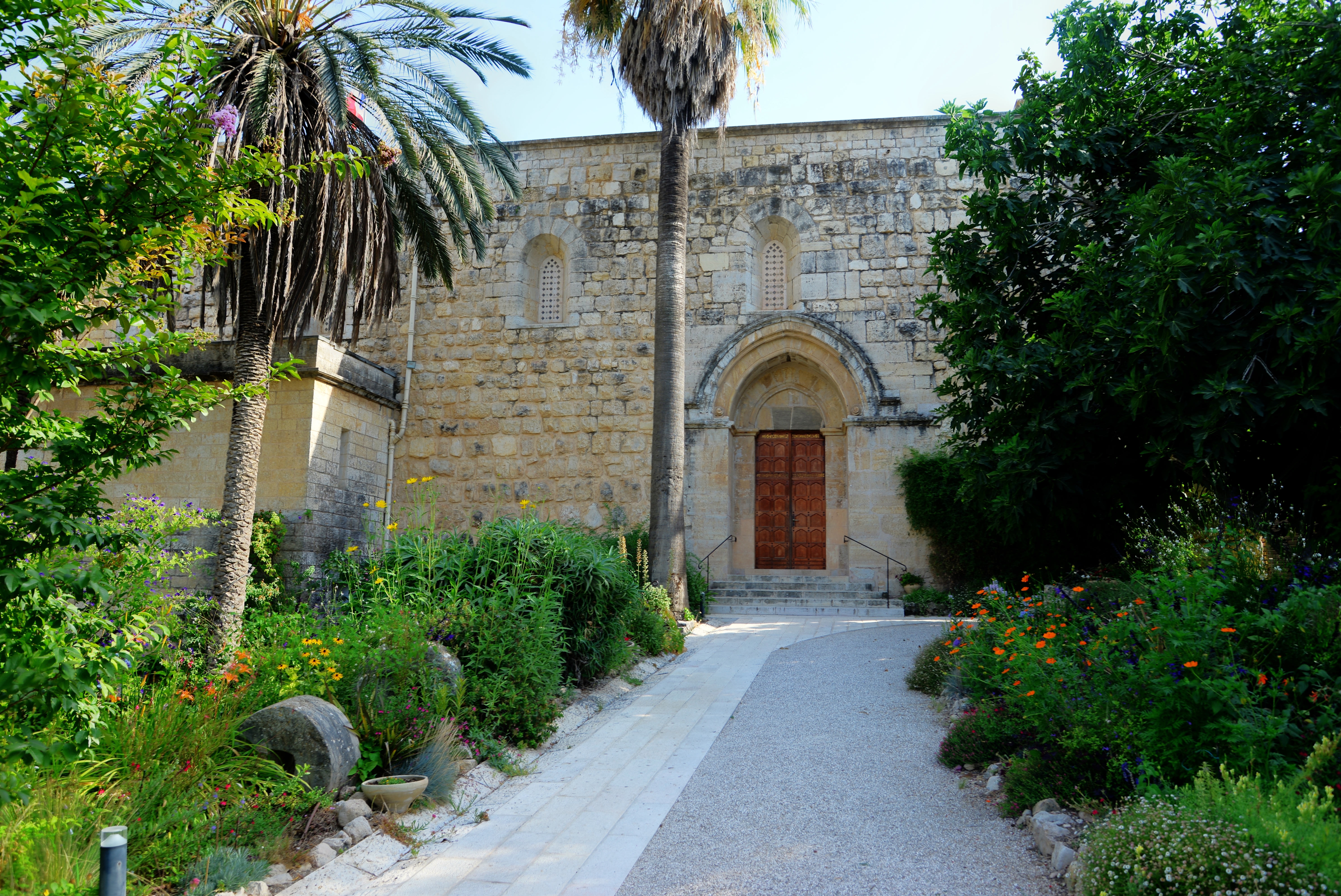
A Benedictine monastery in Abu Ghosh, built on the foundations of a 12th century Crusaders church, near the ancient road to Jerusalem.
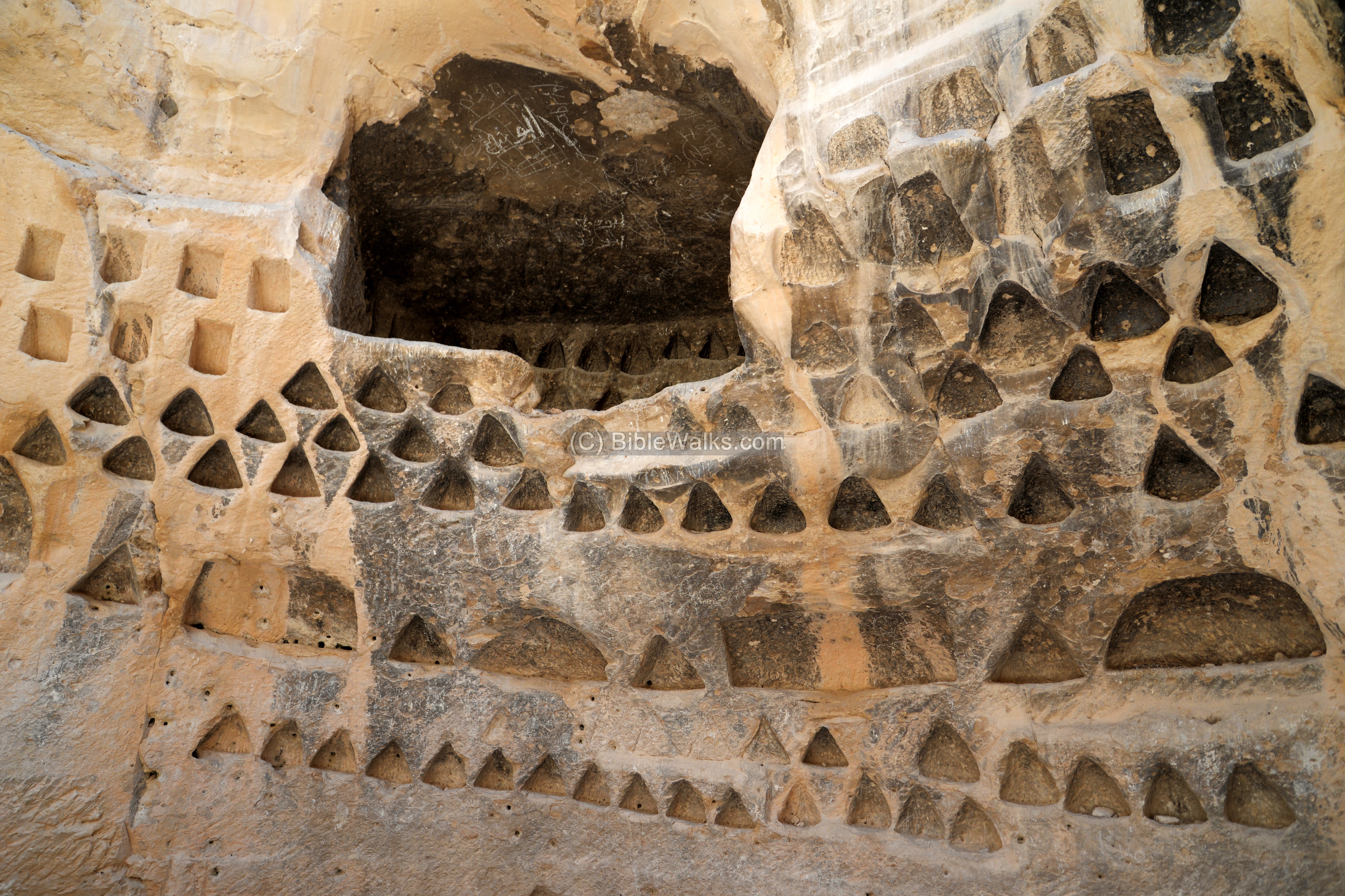
The Biblical place of Tel Kir’yat Ye’arim in Abu Ghosh, and the Monastery of the Ark of Covenant on top of the hill.

A hilltop stronghold protecting the road to Jerusalem, constructed over the ruins of Roman and Crusader forts. Fierce battles occurred here in 1948 in an effort of the Israeli forces to open the road to besieged Jerusalem. Today – a National Park.
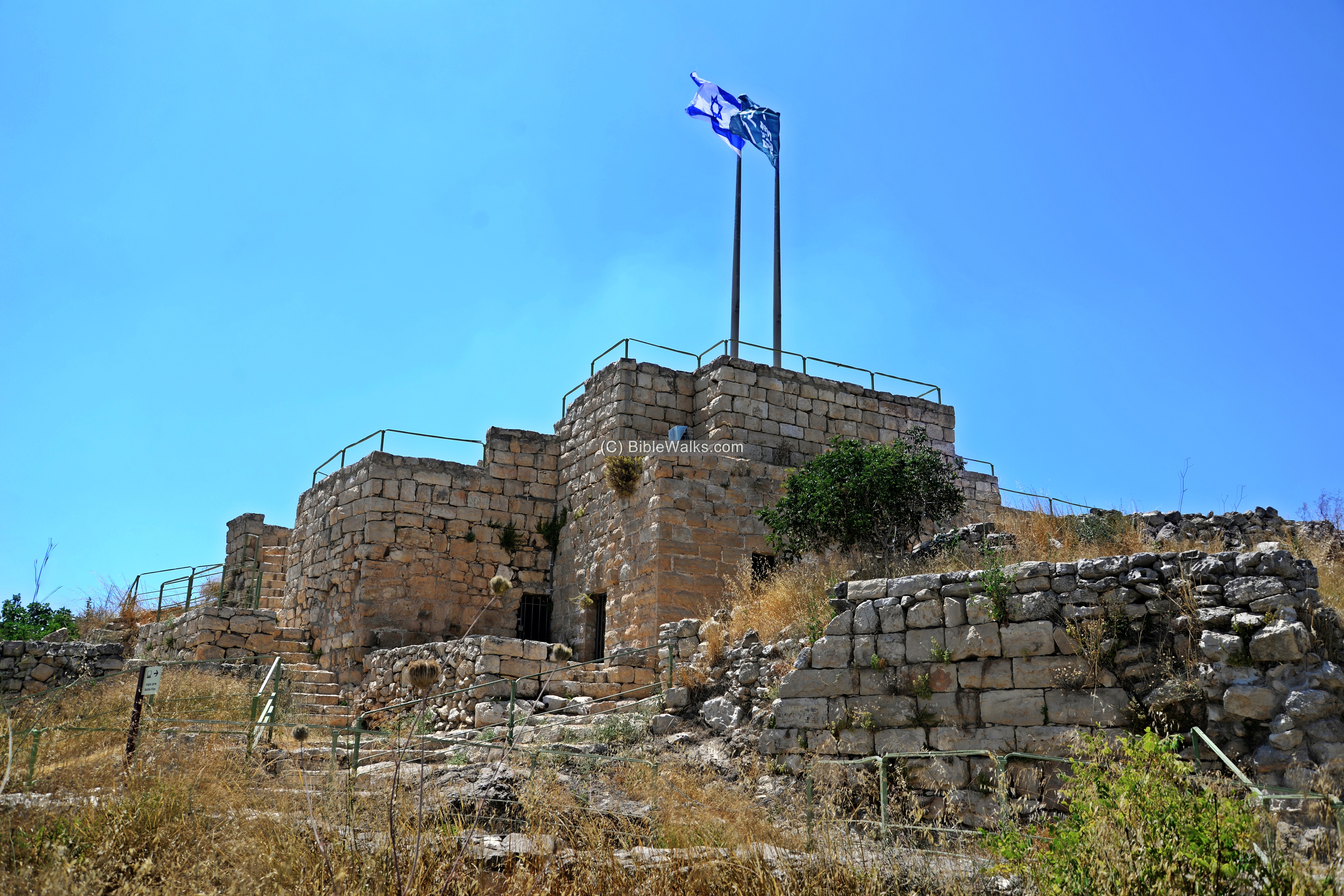
Ruins of a Crusader fortress, located on the side of the road from Jaffa and Ramla to Jerusalem.
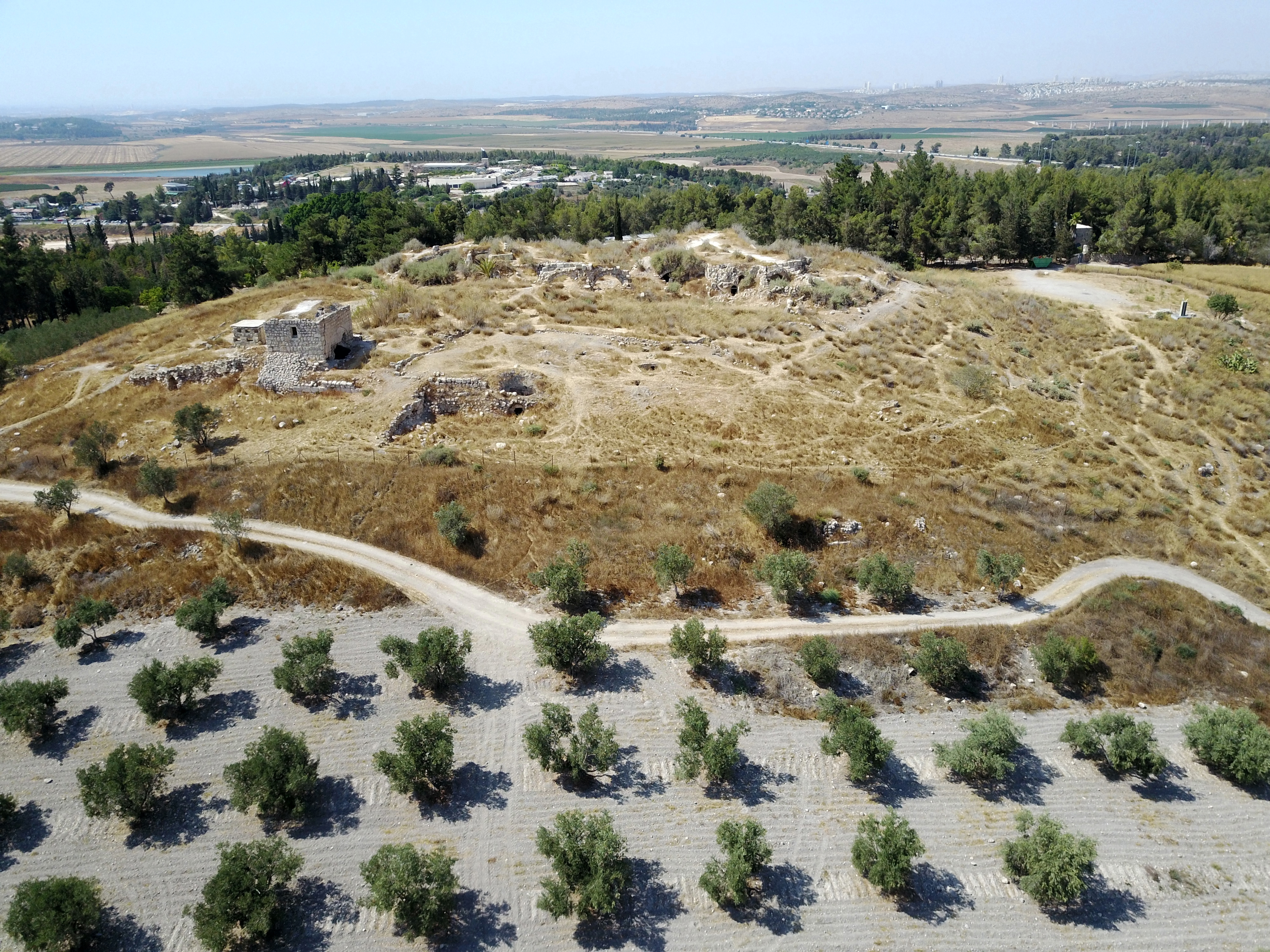
A Roman village, Crusader fortress and Ottoman period village on a hilltop near Kibbutz Tzova, west of Jerusalem.
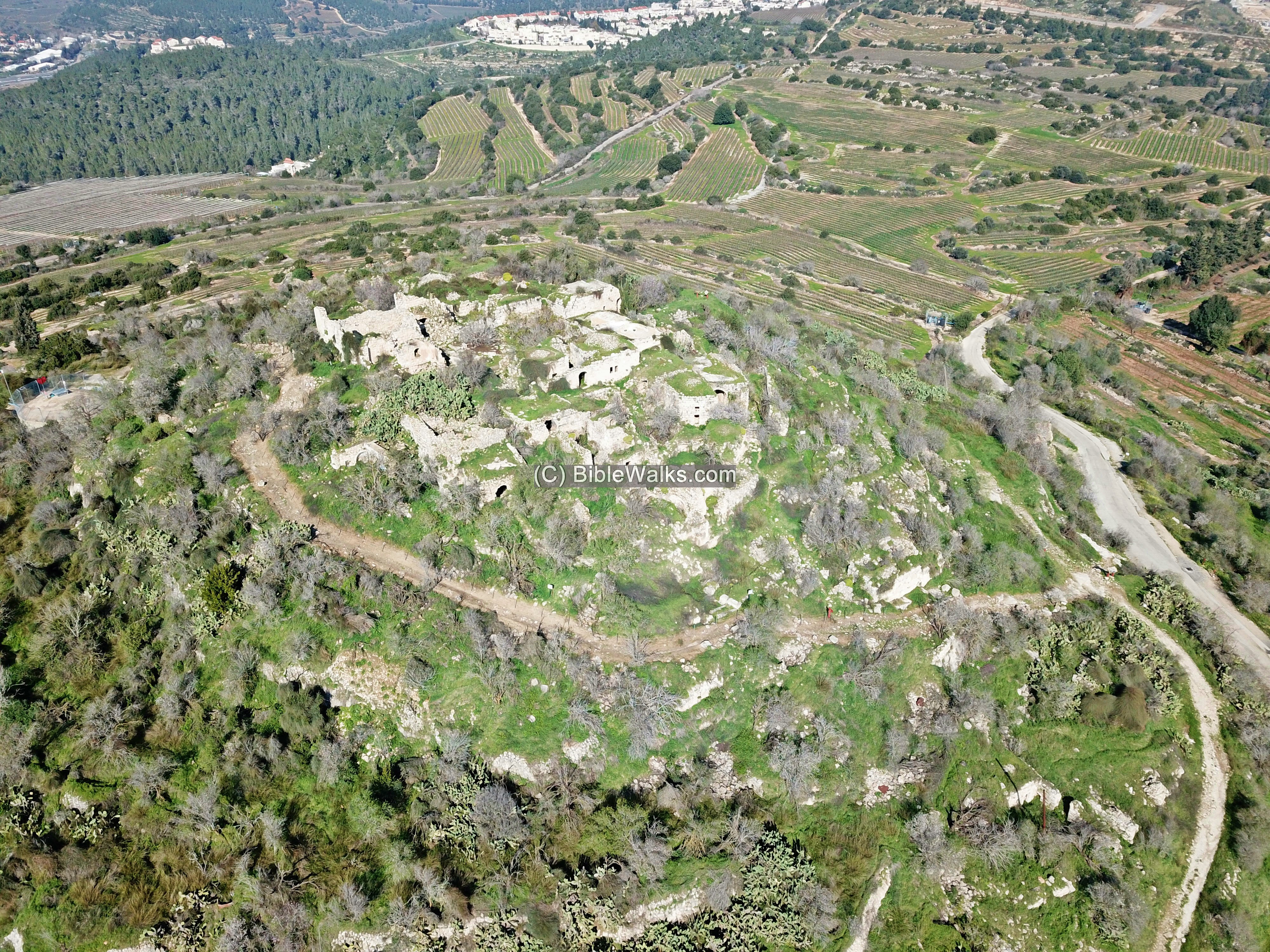
A multi-period site that towers over the west side of Ramat Beith-Shemesh Aleph.
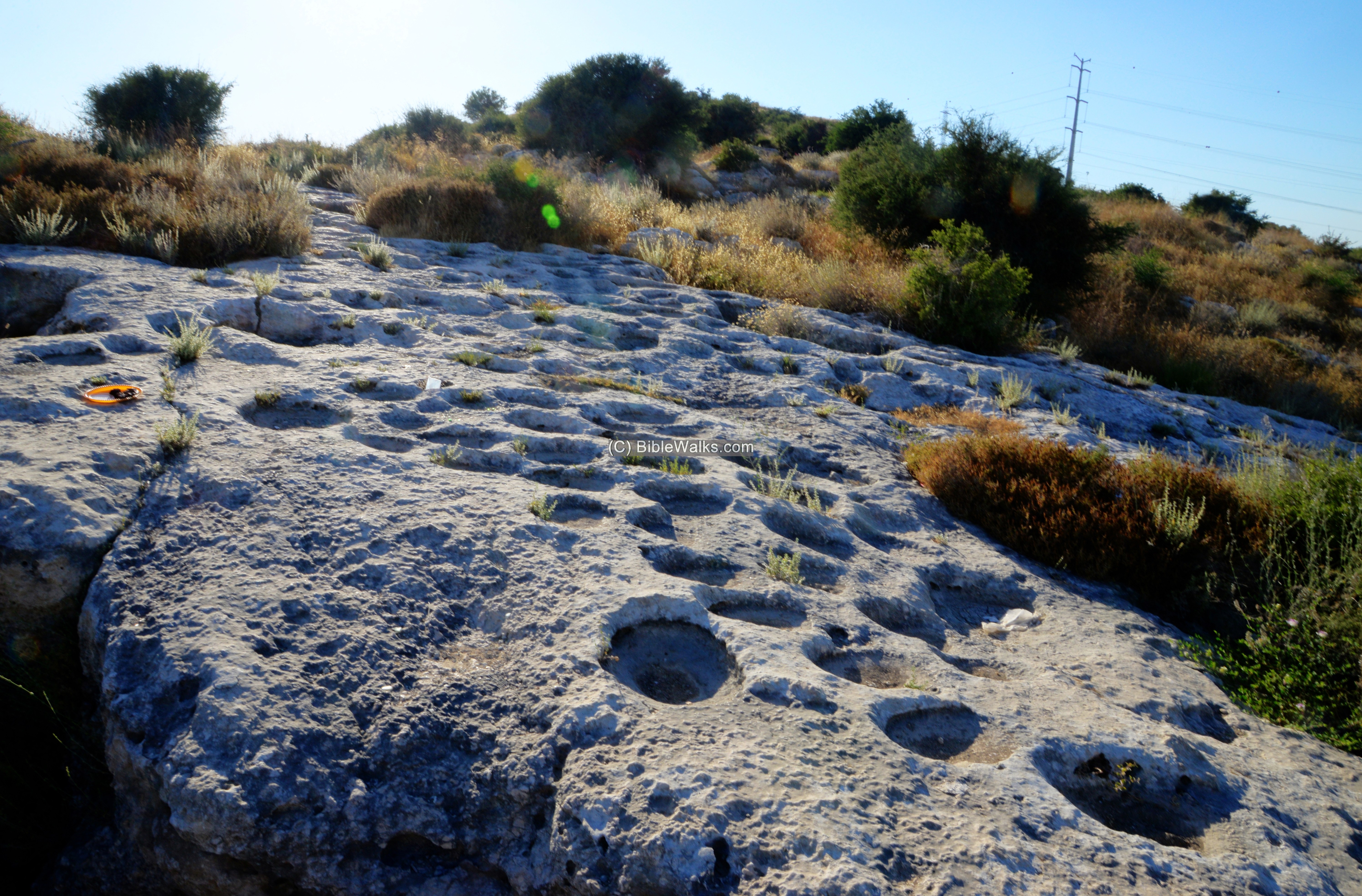
Ruins of a large Byzantine Church were unearthed in a valley south east of Ramat Beit Shemesh.
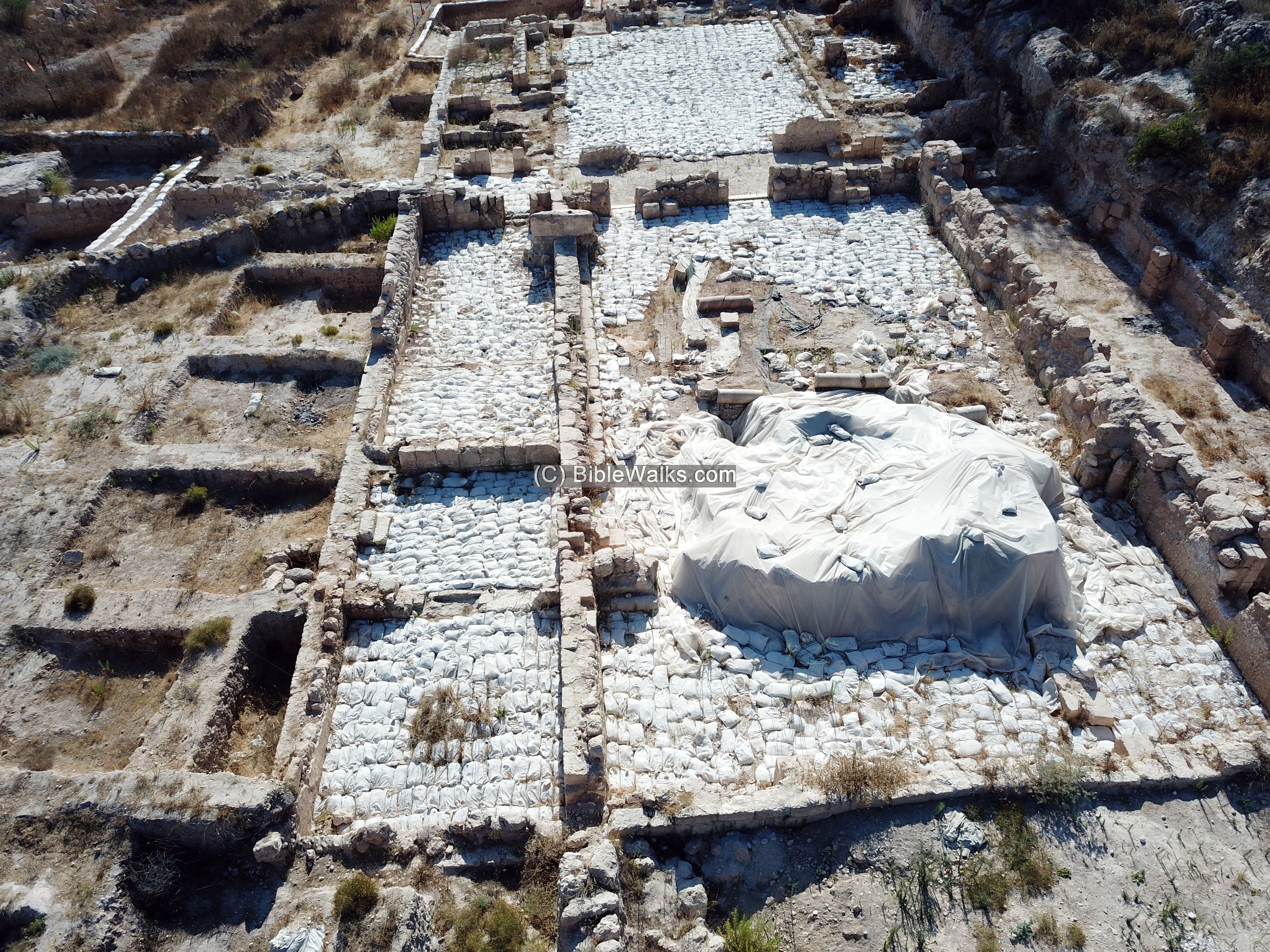
A multi-period archaeological site, with a peak settlement period during the Iron Age period. A rare inscription was found here, bearing the Biblical name Jerubba’al.
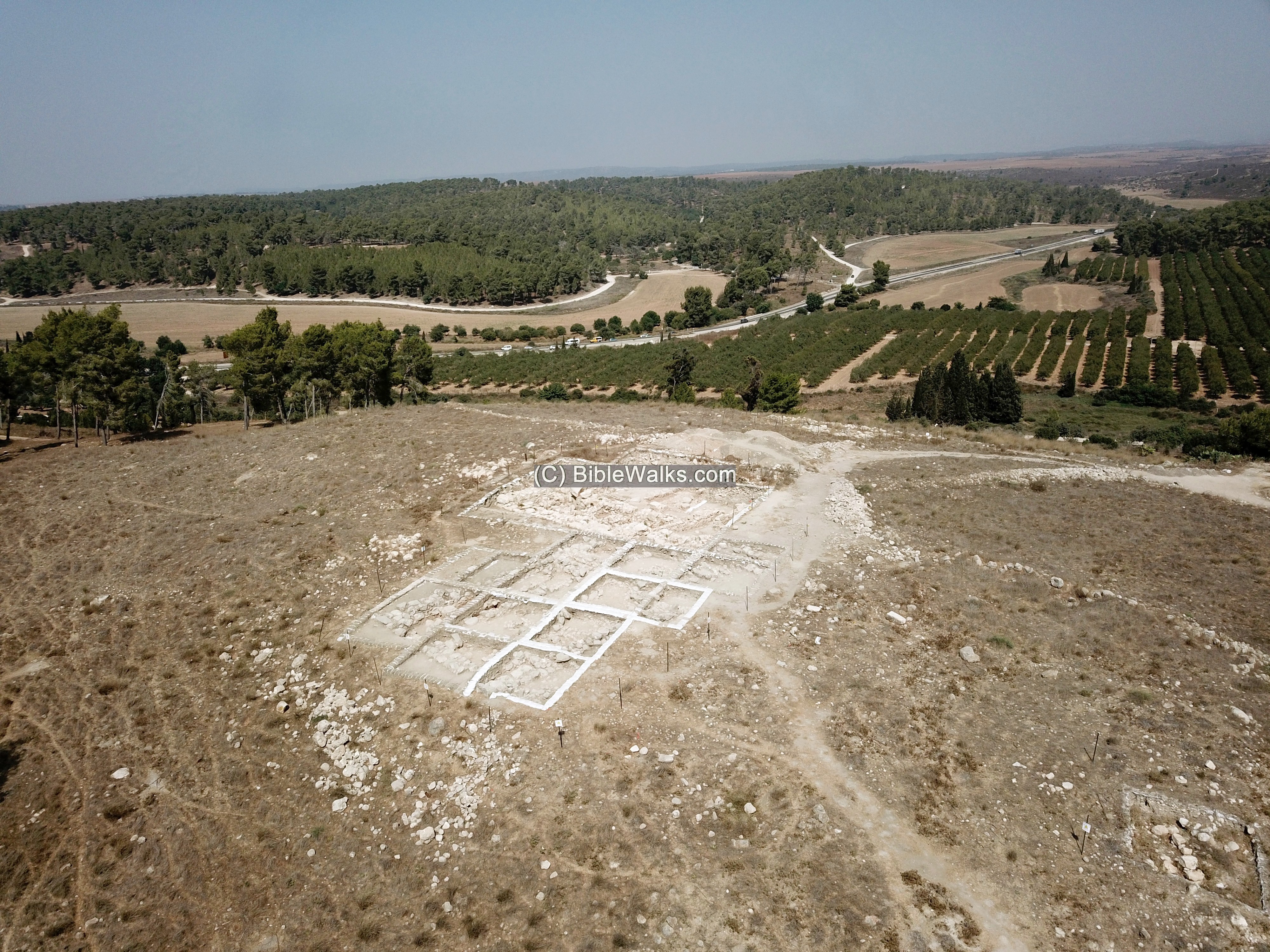
Ruins of an Iron Age, Early-Roman and Byzantine village in the Judean foothills region, south of the valley of Elah.
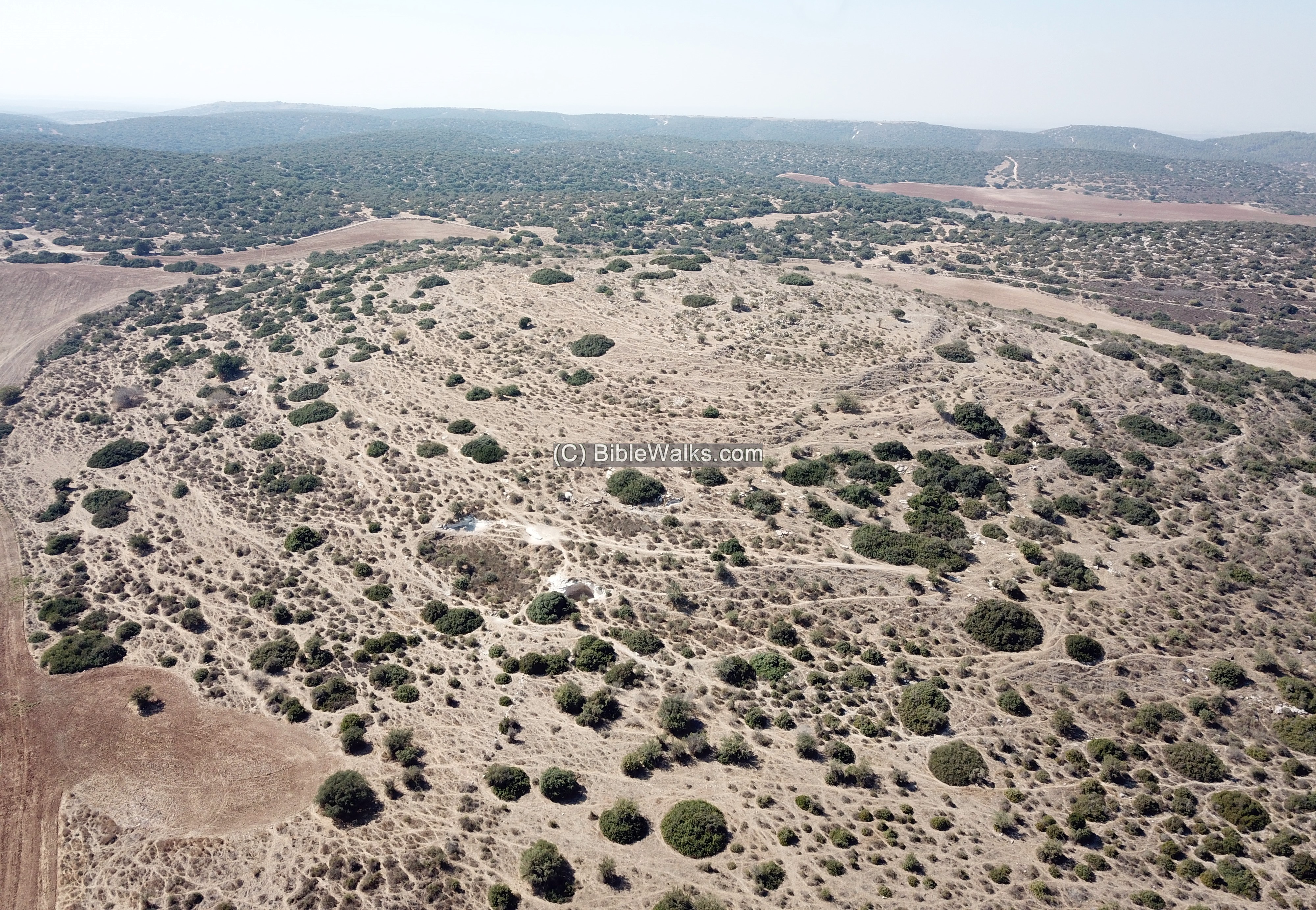
Ruins of a second temple period village in the Judean foothills region, south of the valley of Elah.
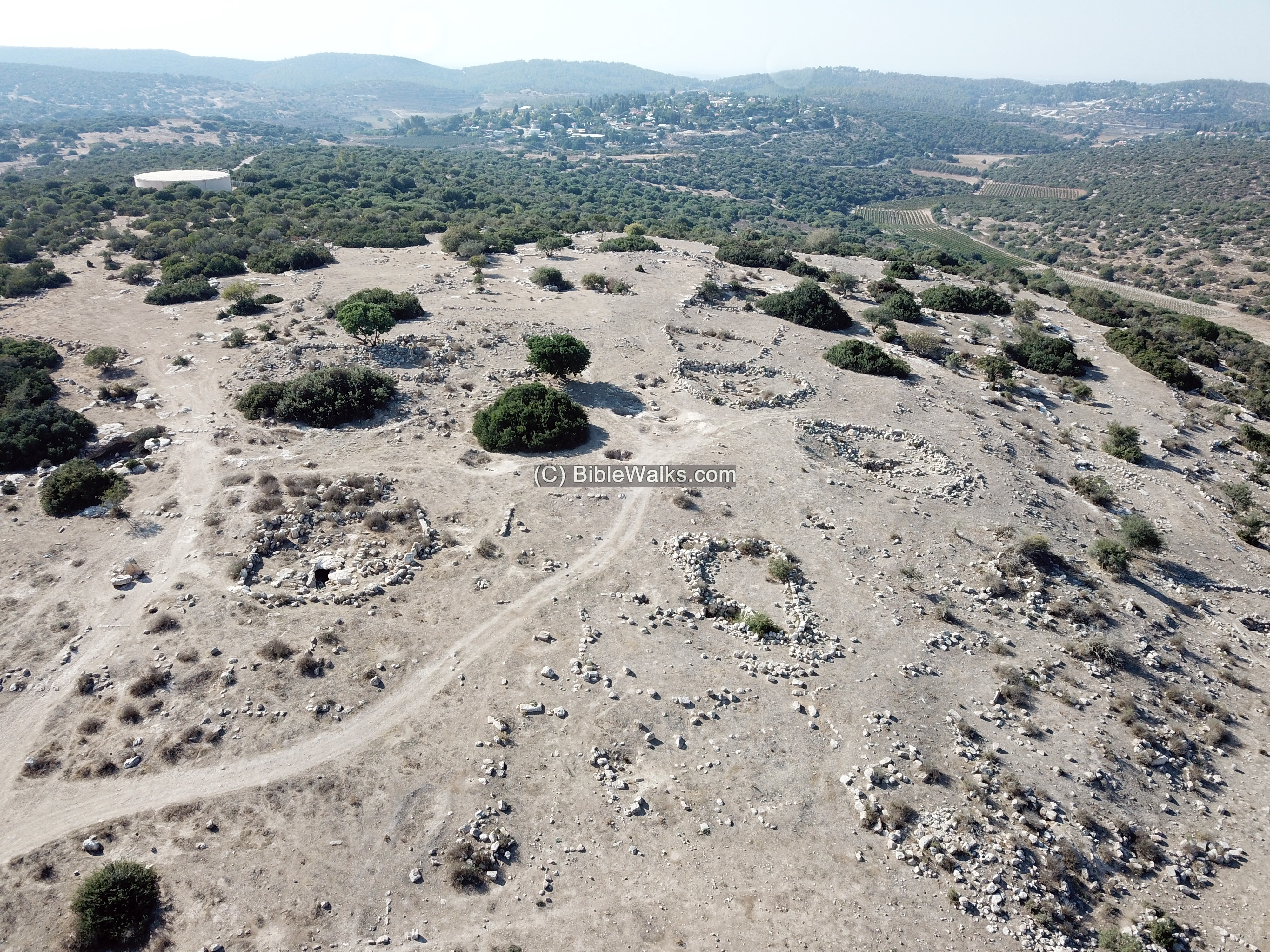
Ruins of a second temple period village (Biblical Rabbah?), in the Judean foothills region south of the valley of Elah.
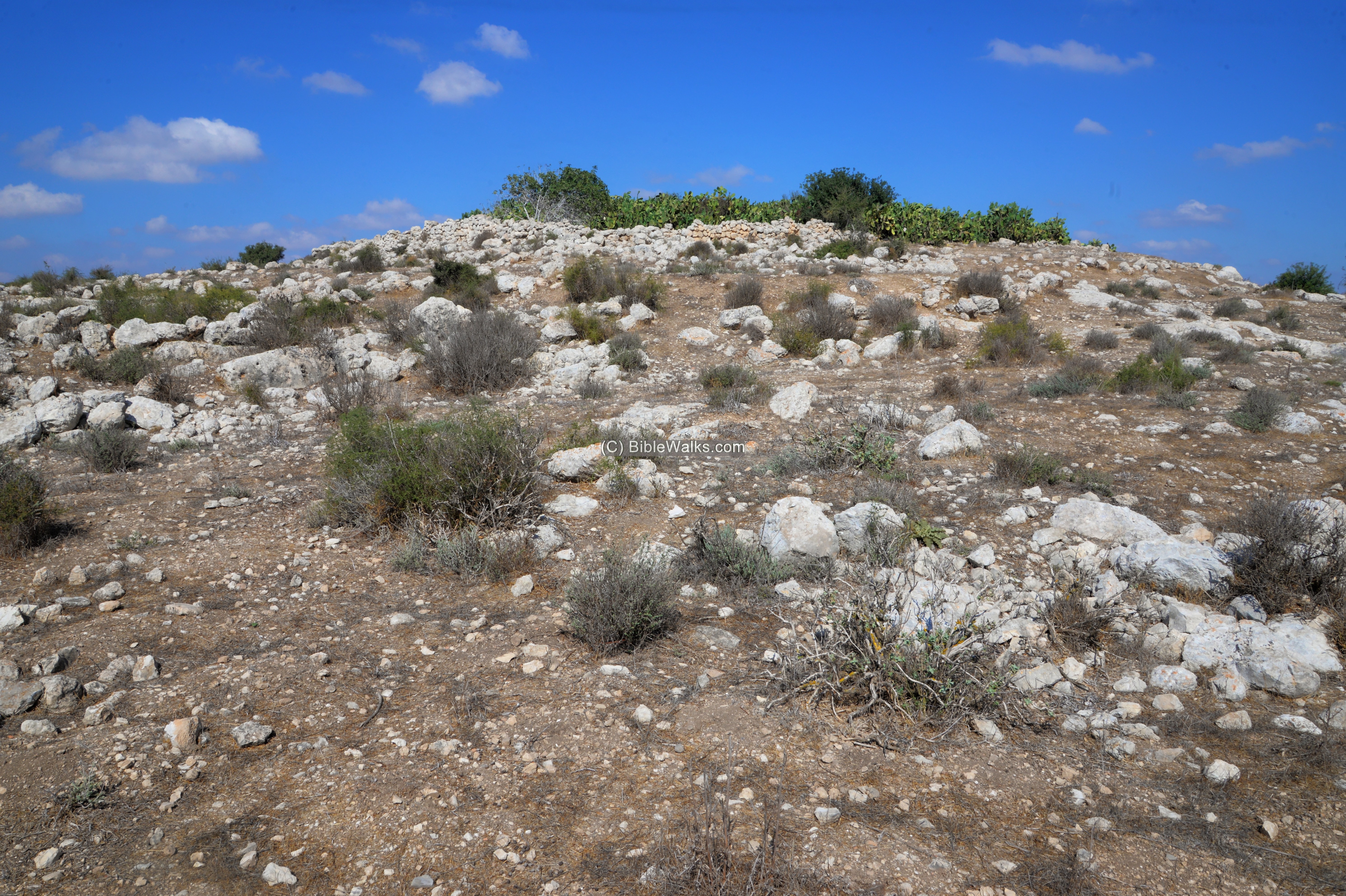
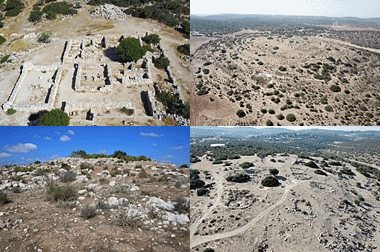
A Biblical place near Beit Shemesh, home town of Samson’s Delilah.

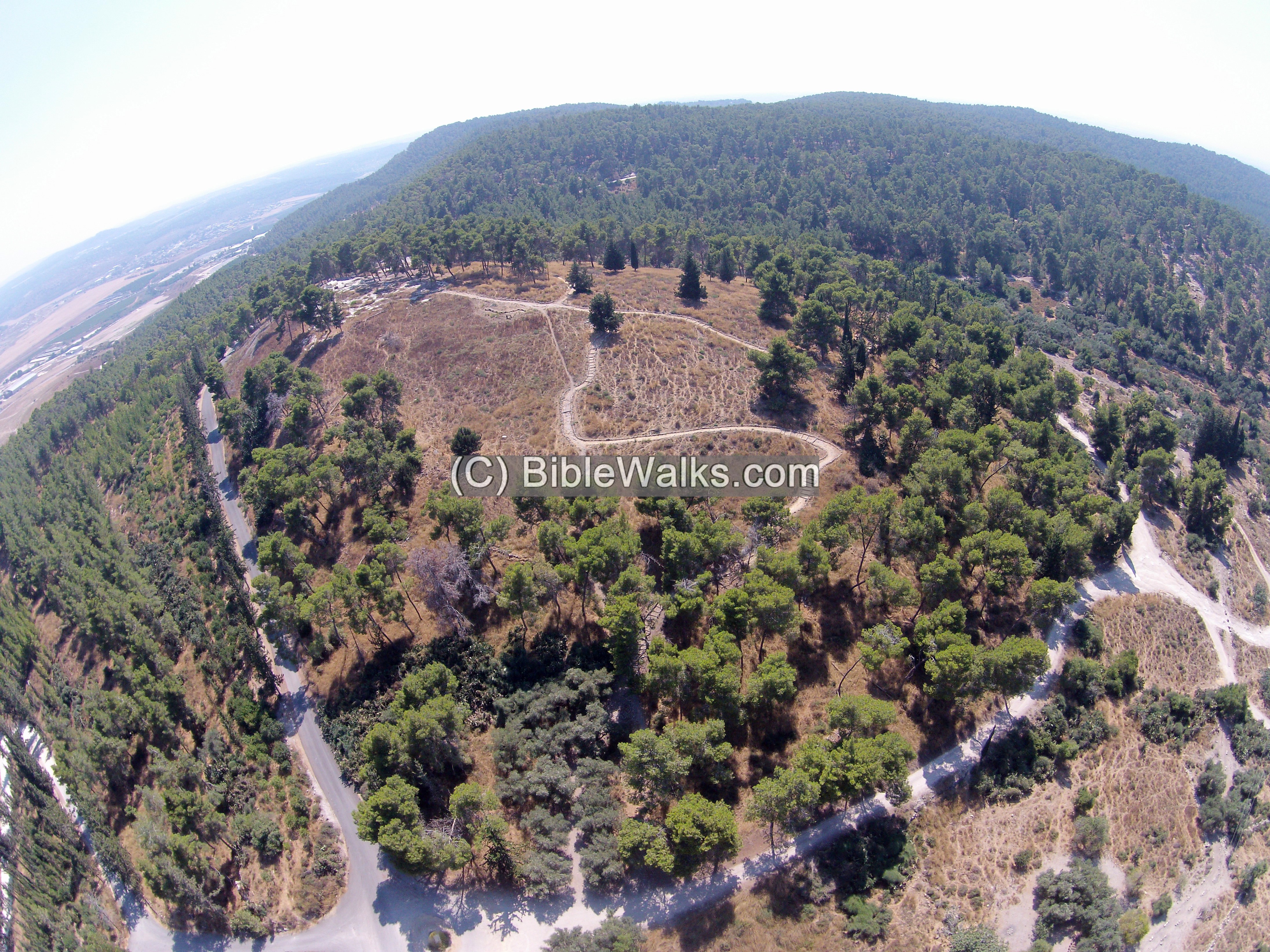
Ruins of a village near Beit Shemesh – the home town of Samson.
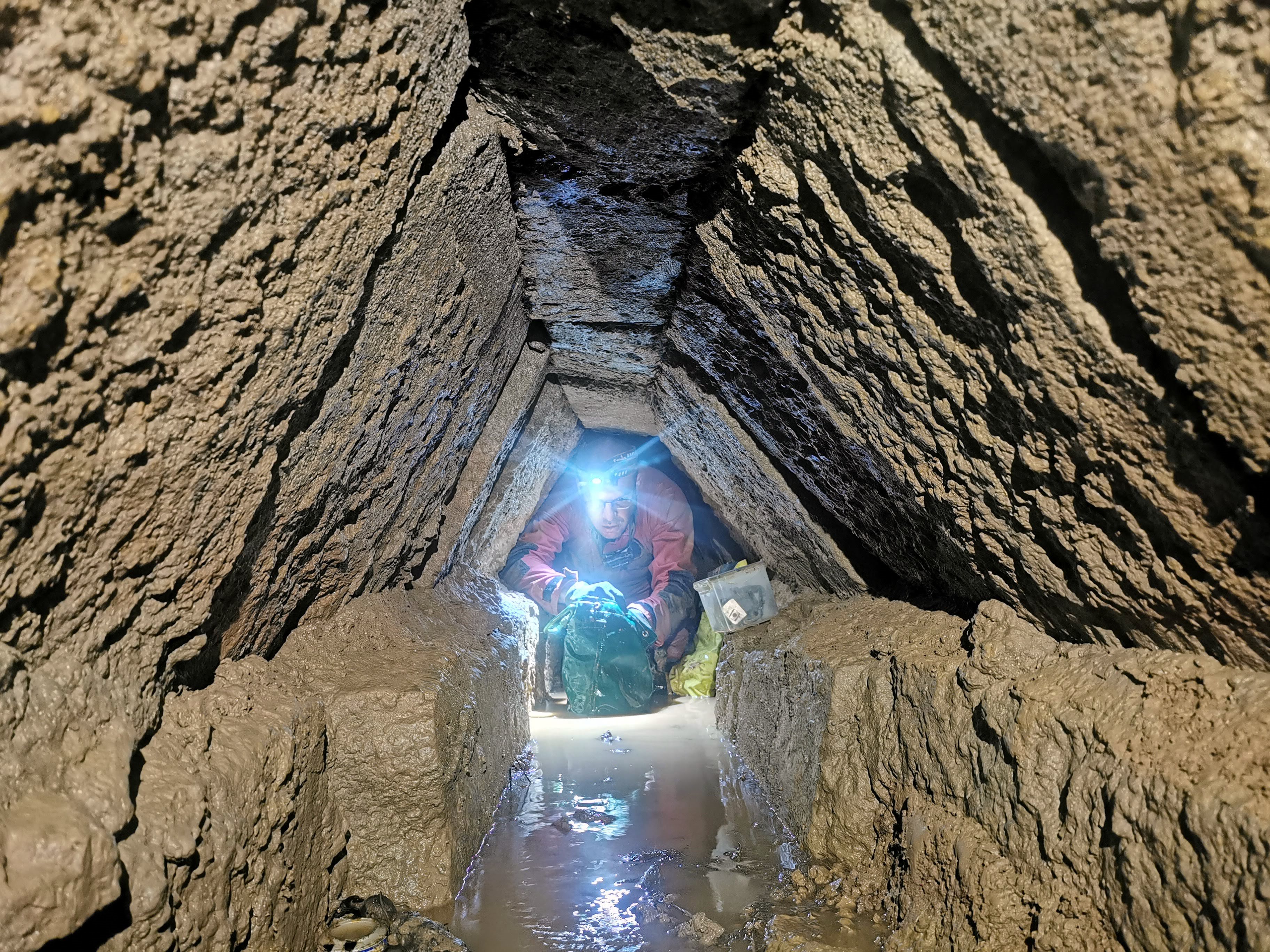
The Biar spring and shaft tunnel – one of the sources of Solomon’s pools; fed the “Upper aqueduct” that supplied water to Jerusalem.
Beth Zechariah was the site of a Maccabean battle against the Seleucid army, and is identified at Horvat Beit Zekharya.
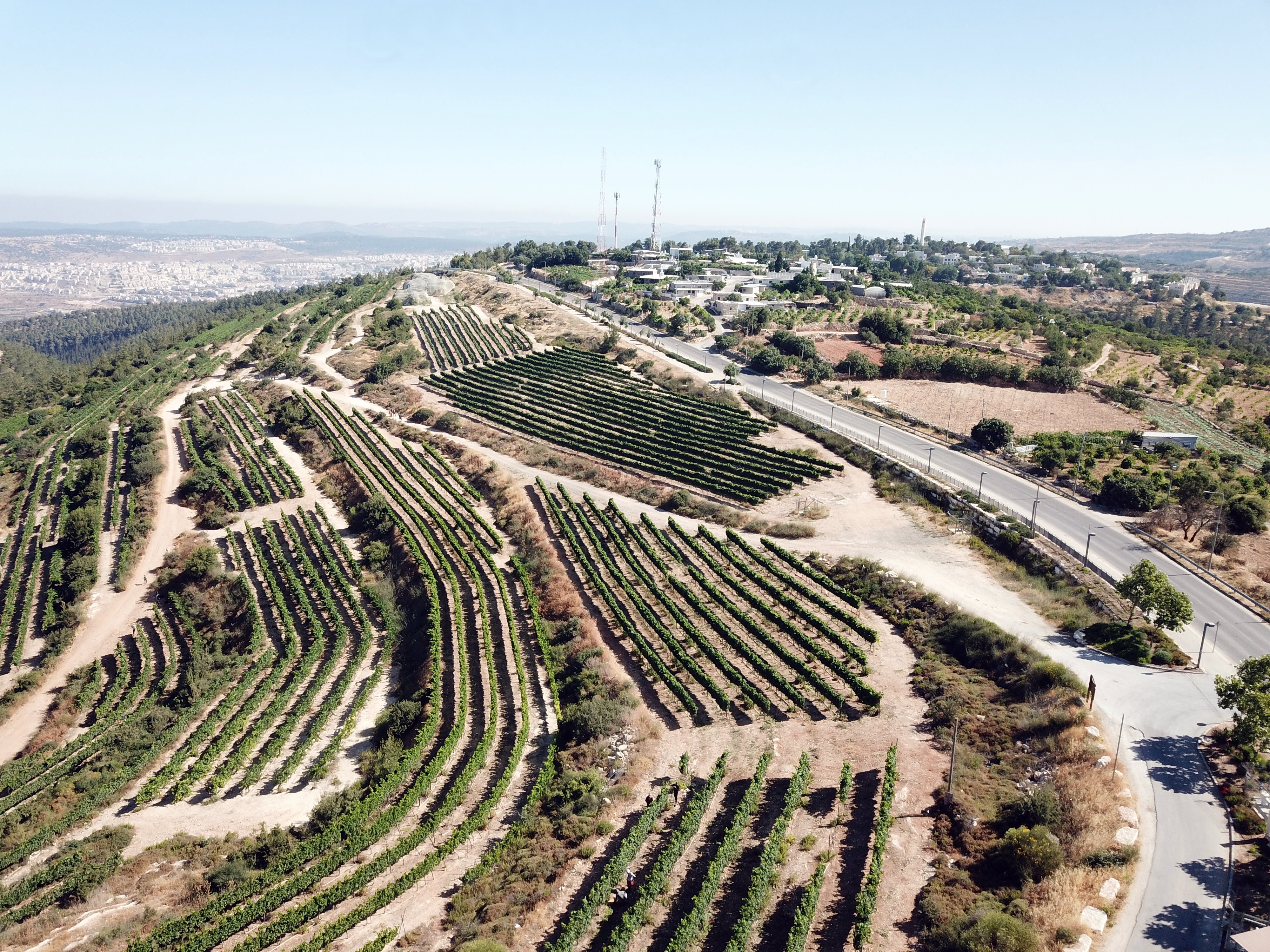
Describes a section of the Way of the Patriarchs, as seen near the community of Elazar.

Quick Lookup:
View these sites on Judea region maps.
Aerial videos playlist
 Fly over some of the Judea sites with this playlist, composed of BibleWalks aerial videos:
Sites Navigation: On all featured sites, you can use the navigation aid at the end of the page for proceeding to the next site. The navigation bar takes you through a tour of the sites. At the bottom of each site you can navigate forward or backward, or return back to a full list of all sites in all regions of Israel.
<<<All Sites>>>—next Judea site—>>> Mar Saba Monastery
This page was last updated on Apr 6, 2026 (Way of Patriarchs)