
This page lists the selected site of the month in BibleWalks.com
Home > Sites > Site of the month – 2008
This page is a gallery of the Biblical sites that were selected by BibleWalks.com staff and readers as the “site of the month” during year 2008.
The selection of the “site of the month” is usually a new site that was added during that past month and was considered at that time as an important addition to the web site and worthy of highlighting. You can look on these sites in order to visit these “best” sites.
The sites are ordered from the recent month on the top.
To see more of the site, click on its header.
December 2008 Herodion
Herod the Great, King of Judah (37 to 4 BC), built this monumental fortress and palace in the Judean desert south of Jerusalem, and was buried here. The site was a rebel stronghold during the great revolts against the Romans. It is one of the most exciting archaeological sites in Israel.
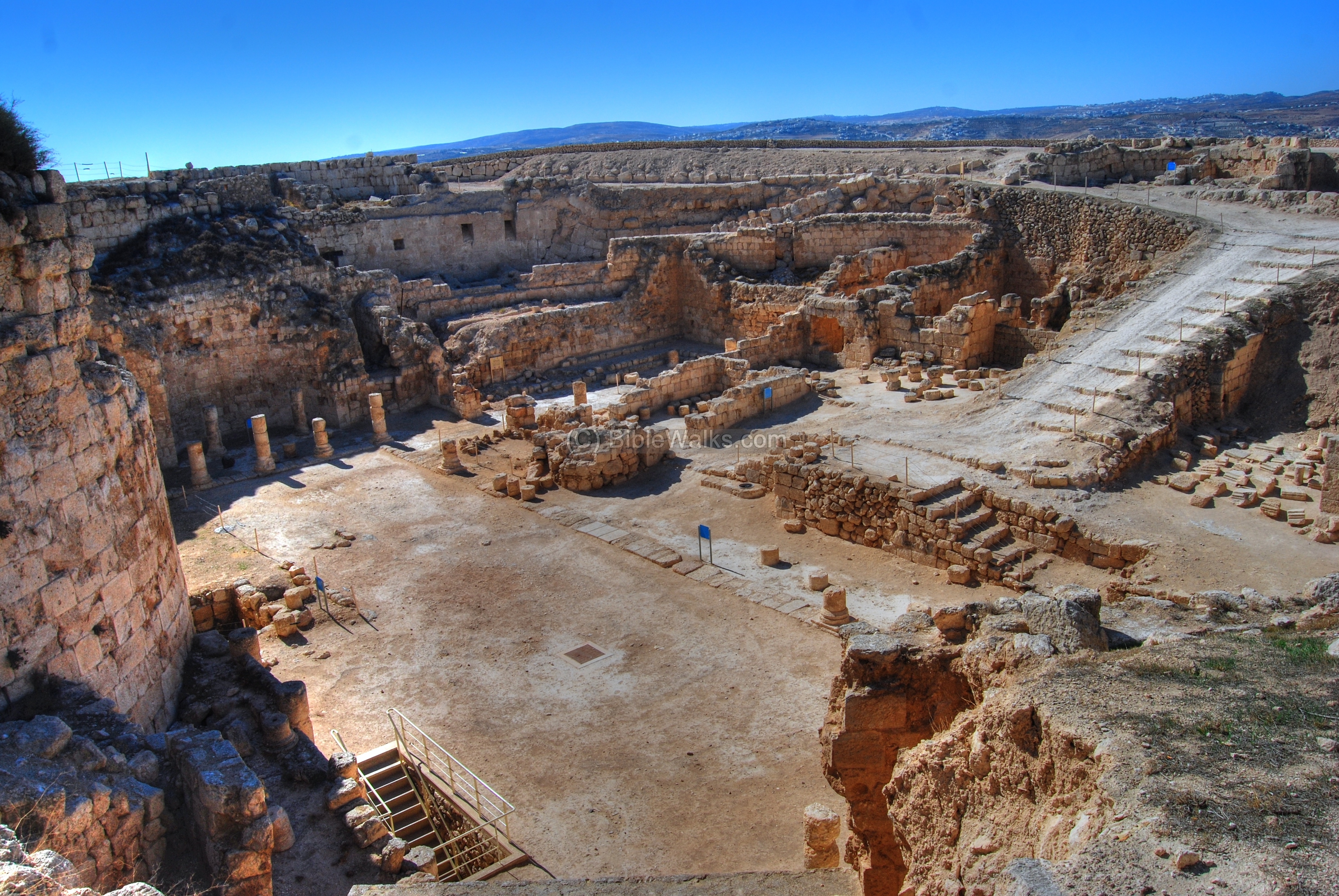
Flavius Wars 1 21 10: “… built a fortress upon a mountain towards Arabia, and named it from himself, Herodium”
November 2008 Beit Shean – at night
Beit Shean was a major Biblical city, located on the ancient trade route. Adjacent to the its ruins, the Hellenistic city, Scythopolis, was established and became a major city until its destruction in the 8th century. A new amazing state of the art multi-sensory night show has transformed the excavated site into a unique world class experience.
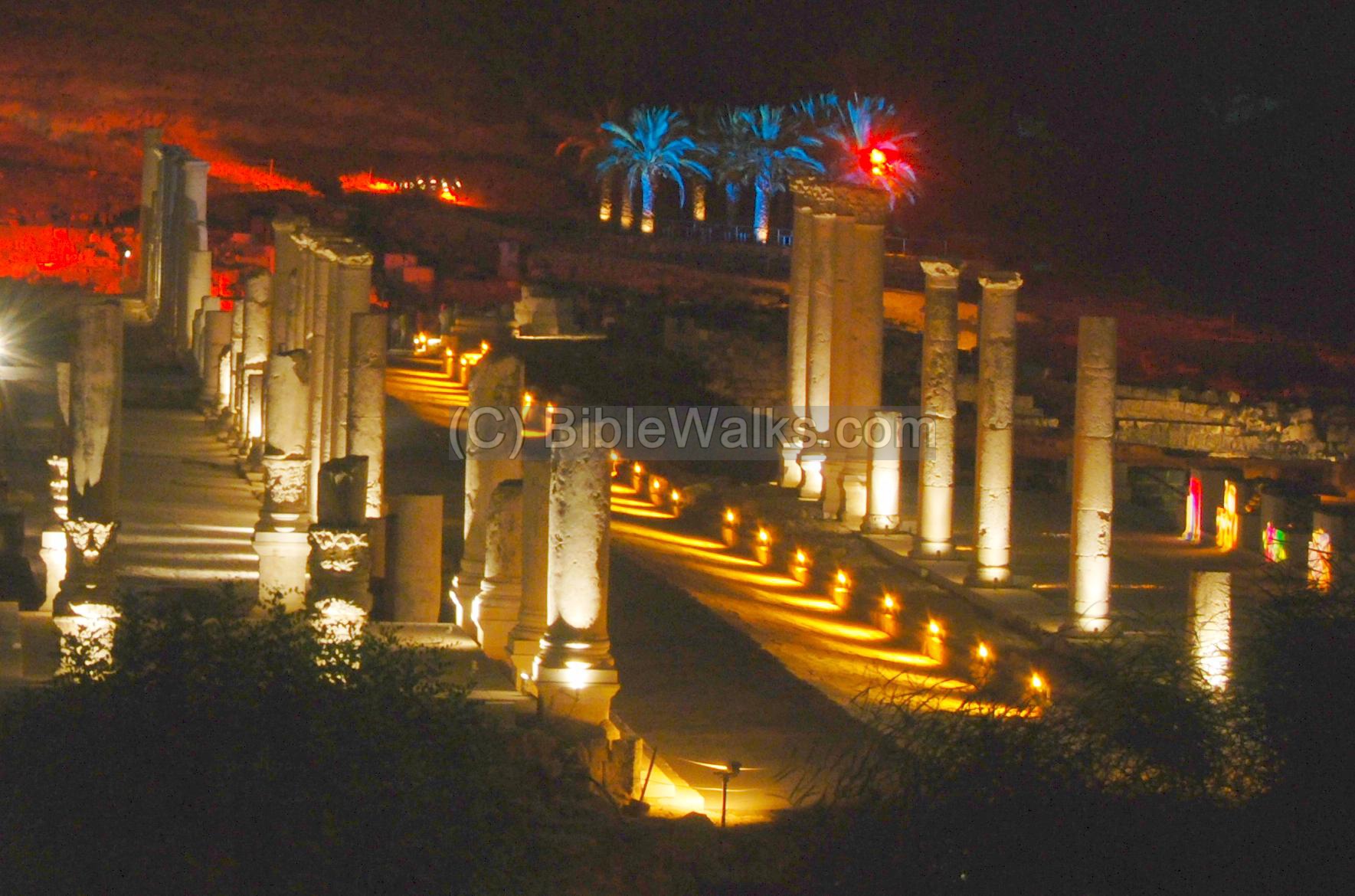
1 Kings 4 7-12: “And Solomon had twelve officers over all Israel… Baana the son of Ahilud; to him pertained … all Bethshean, which is by Zartanah beneath Jezreel”
October 2008 Khirbet Rosh-Zayit
Ruins of an Iron age site, in the hills above the plain of Cabul. An 11th-8th century BC Phoenician fortress, regional administrative center, military post and agriculture village. The site may be identified with the Biblical Cabul of King Solomon.
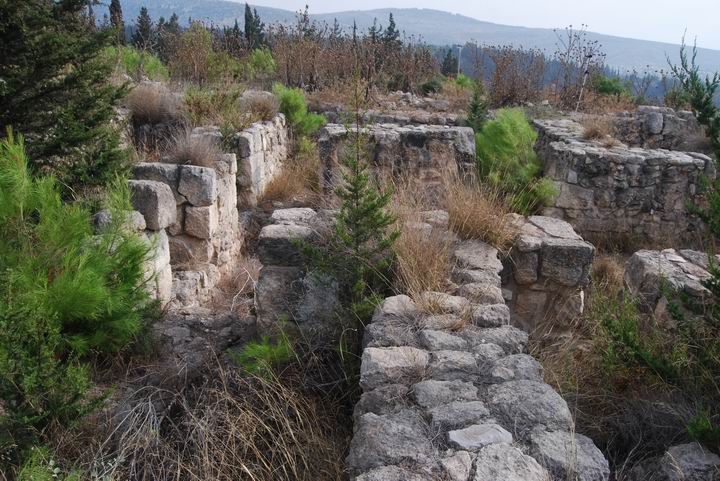
1 Kings 9:11,13: “King Solomon gave Hiram twenty cities in the land of Galilee…And they were called the land of Cabul, unto this day”
September 2008 Bethesda
Ruins of twin pools, healing center, Byzantine basilica and Crusader chapel located near St. Anna. The site of Jesus’ healing miracle, referred as the sheep market pools.
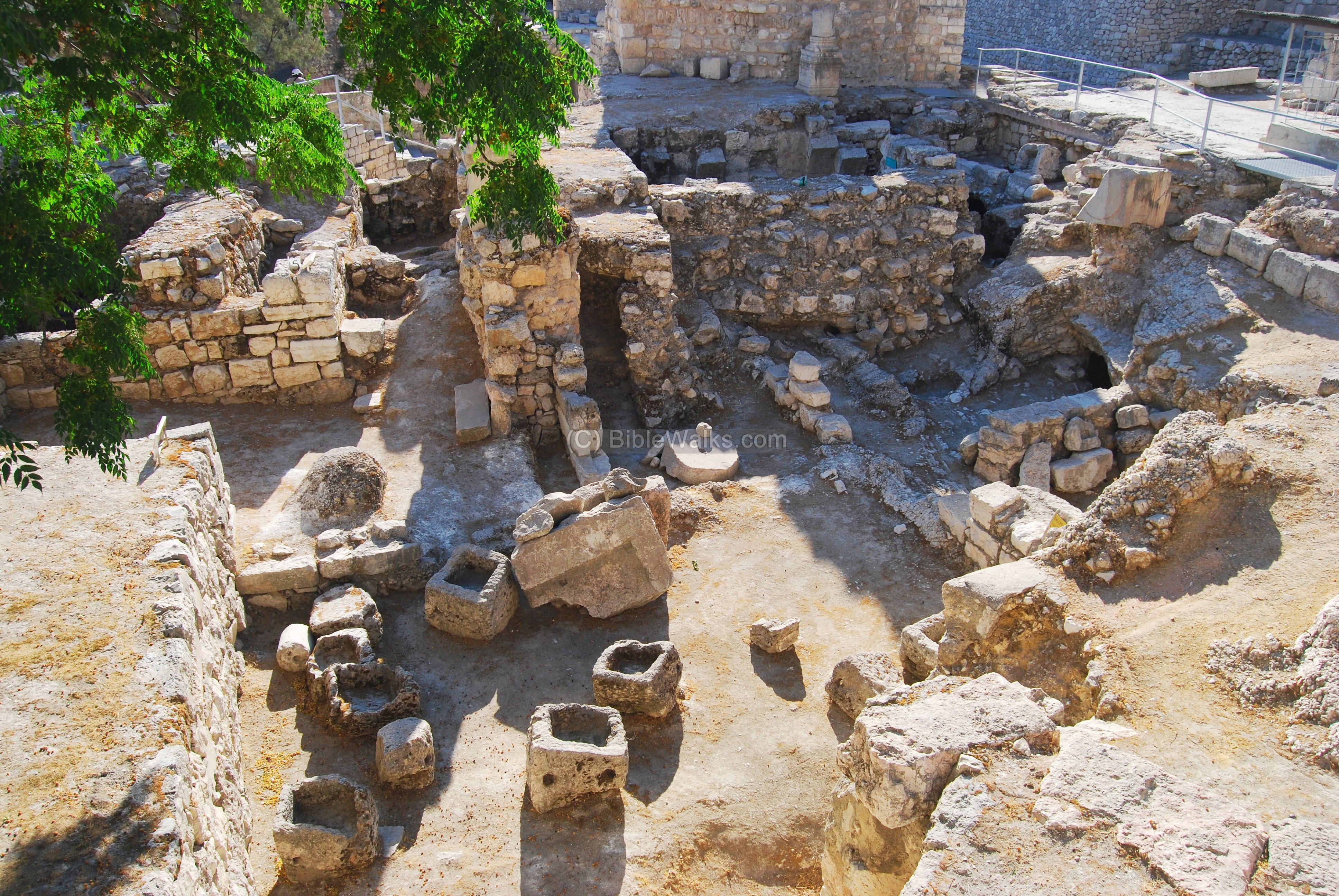
John 5:2: “Now there is at Jerusalem by the sheep market a pool, which is called in the Hebrew tongue Bethesda, having five porches”.
August 2008 Aphek (Afek, Antipatris)
Tell Aphek (Afek, Antipatris) in the Sharon region was a gateway on the main trade route from north to south. More than 6,000 years of successive cities have been built on the mound overlooking the springs of the Yarkon river.
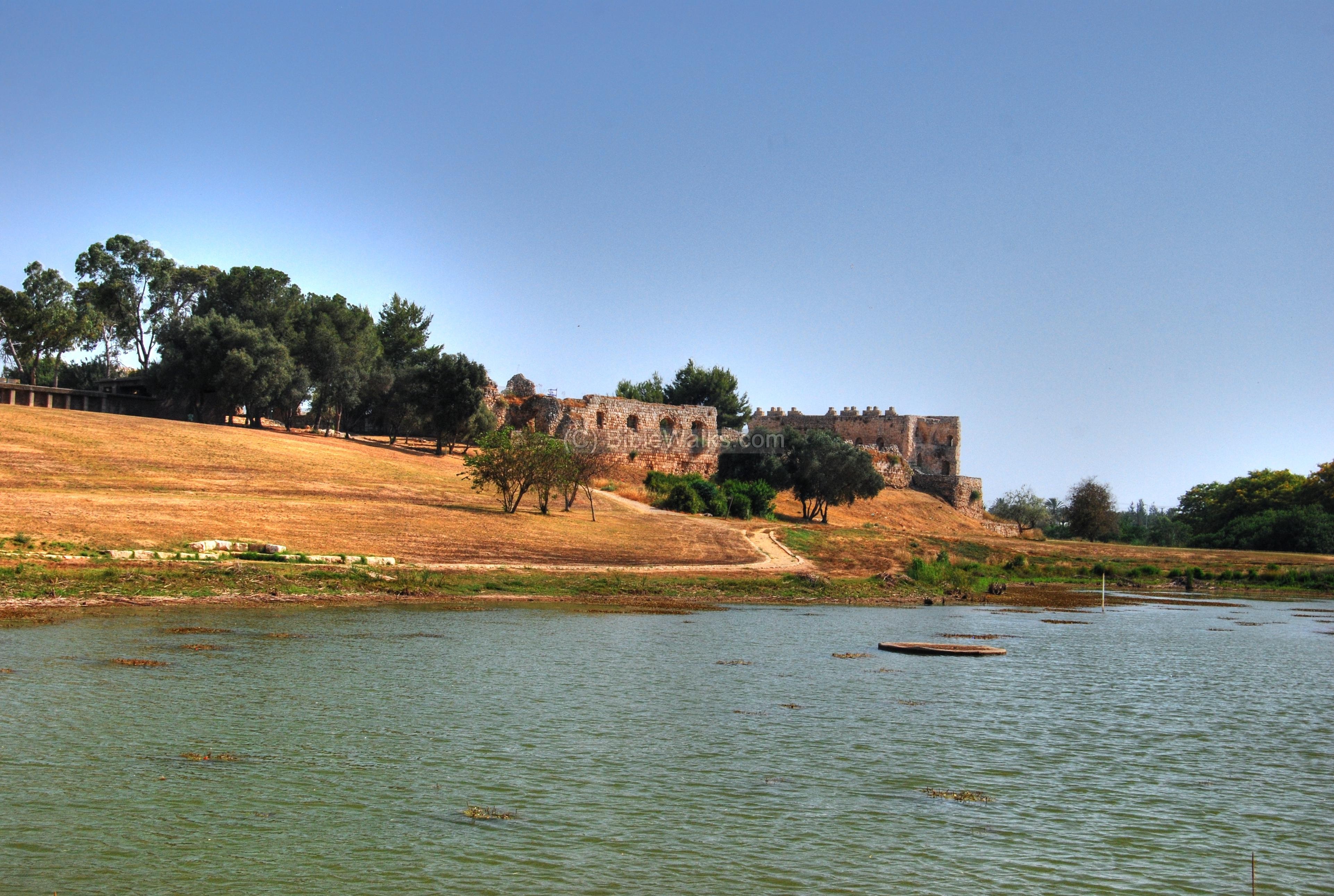
Joshua 12: 7, 18: “And these are the kings of the country which Joshua and the children of Israel smote …the king of Aphek, one…”
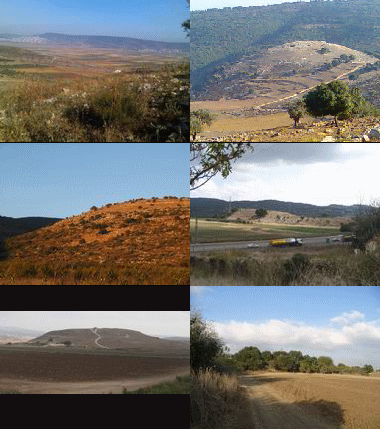
July 2008 Mount Tabor
Mount Tabor is a steep round hill on the north-east side of Yizreel valley. It played an important role in the biblical history, and tradition links it to the Transfiguration of Jesus. The hill is strategically located on the main north-south ancient road, and was an important fortress during the First and Second Temple, Greek, Roman and Crusaders times.
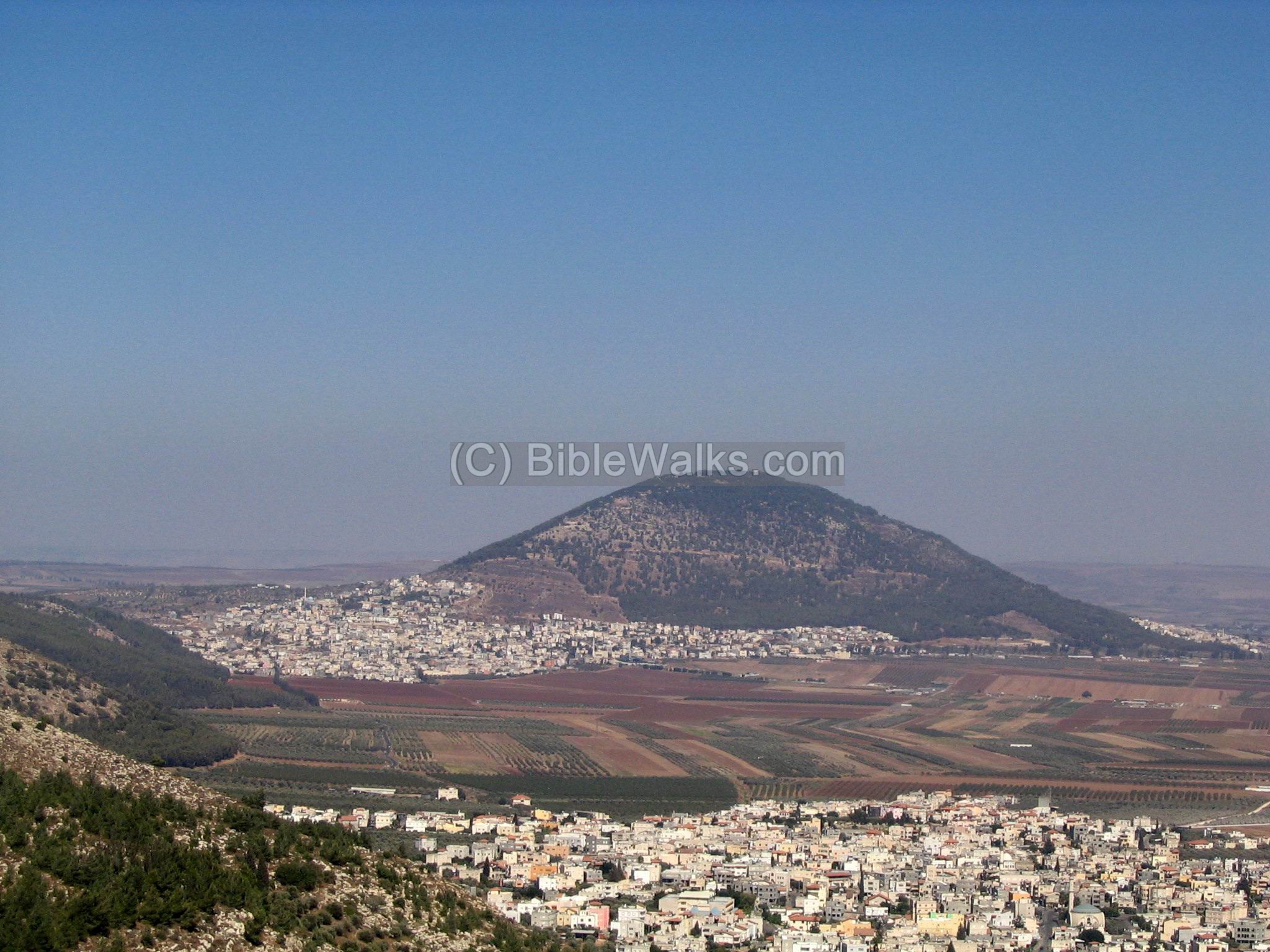
Jeremiah 46:18: “… Surely as Tabor is among the mountains… so shall he come.”
June 2008 Mi’ilya (King’s castle)
A Greek Catholic village in the west upper Galilee, built over the ruins of the 12th century Crusader fortress. The fortress first belonged to the Crusader King Baldwin III, and was called the “King’s fortress” , then owned by the De Milly family. The site was a large Biblical city, identified with “Aloth”.

1 Kings 4:16: “Baanah the son of Hushai was in Asher and in Aloth“
May 2008 Monastery of the Holy Cross
A medieval Monastery located in the valley of the Cross (Rehaviah). Here, according to tradition, grew the tree of the Cross.

John 19:25: “Now there stood by the cross of Jesus his mother, and his mother’s sister, Mary the wife of Cleophas, and Mary Magdalene”.
April 2008 Dormition Abbey
A grand German Benedictine Abbey located on top of Mount Zion, commemorating the memory of Virgin Mary, in the traditional site of her death.
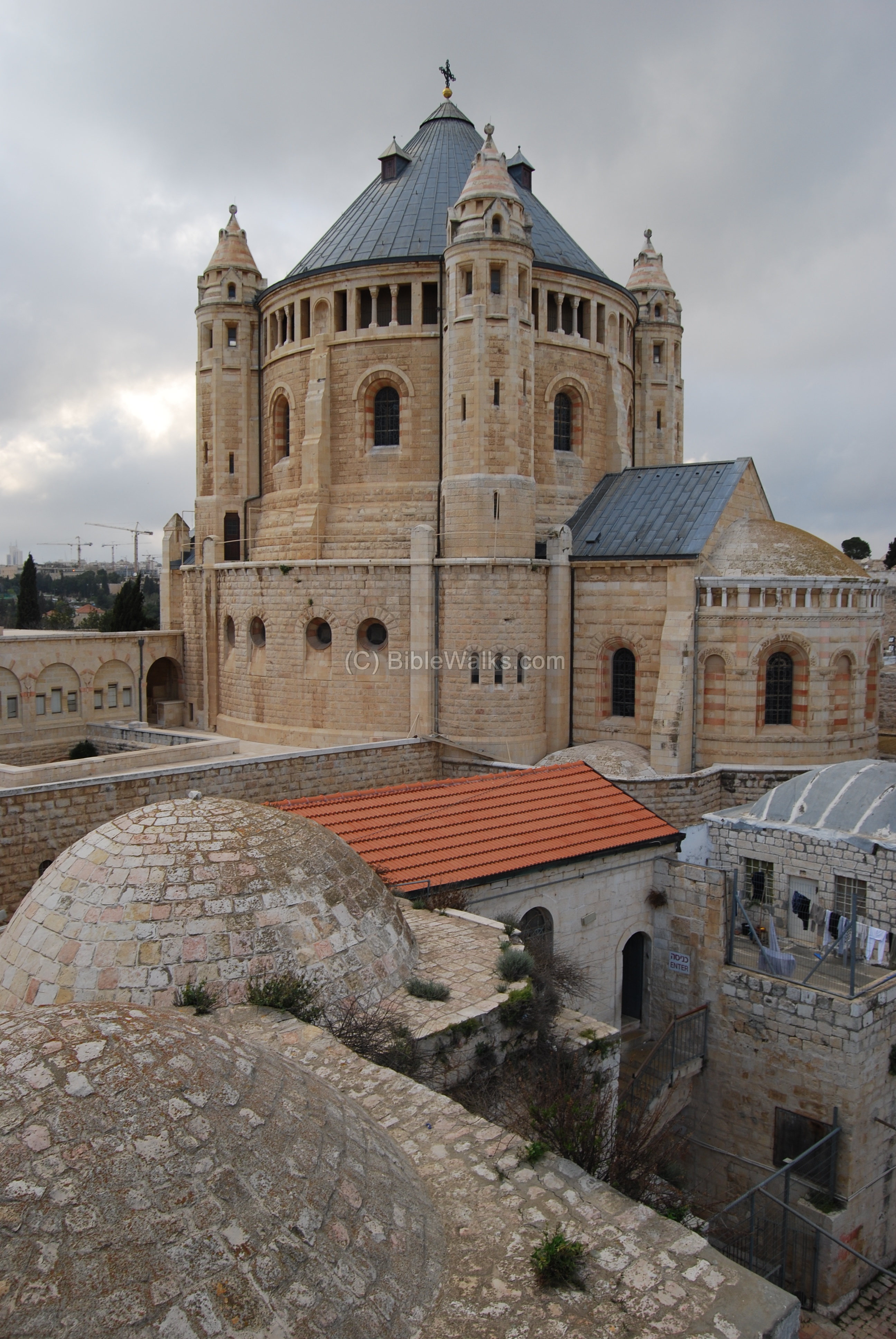
John 8, 12: “I am the light of the world”
March 2008 Carmelite Monastery, Stella Maris
A Carmelite monastery and church on the west top side of the Carmel. The structure was rebuilt in the 19th century, and is one of the most popular sites in Haifa.
1 Kings 18:42: “…And Elijah went up to the top of Carmel; “
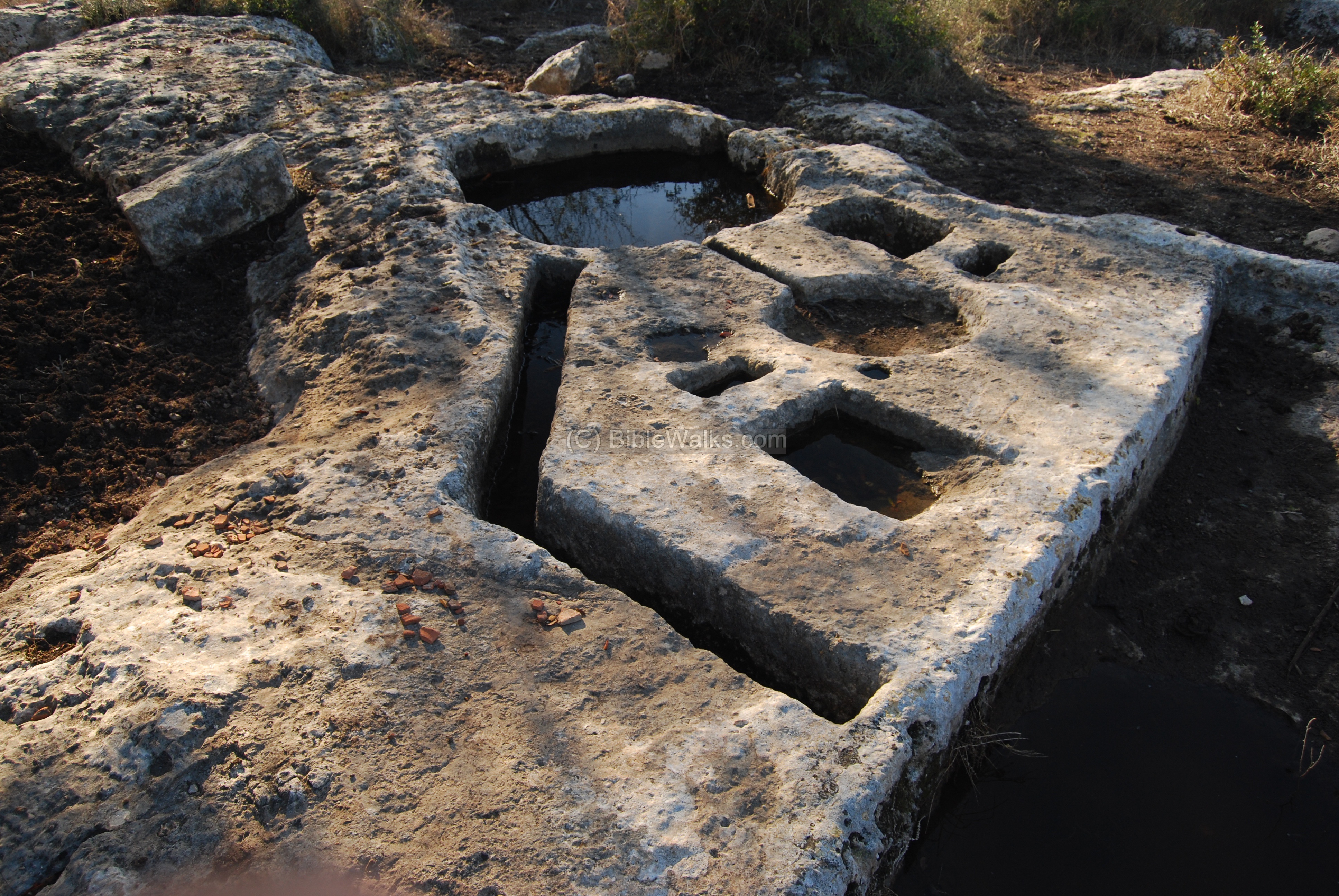
February 2008 Khirbet Suggar
Ruins of a Roman/Byzantine village on the western edge of Kziv creek. In the site are traces of buildings, sheepfold, installations, and traces of a church. On the hillside are stone quarries and rock-hewn tombs.
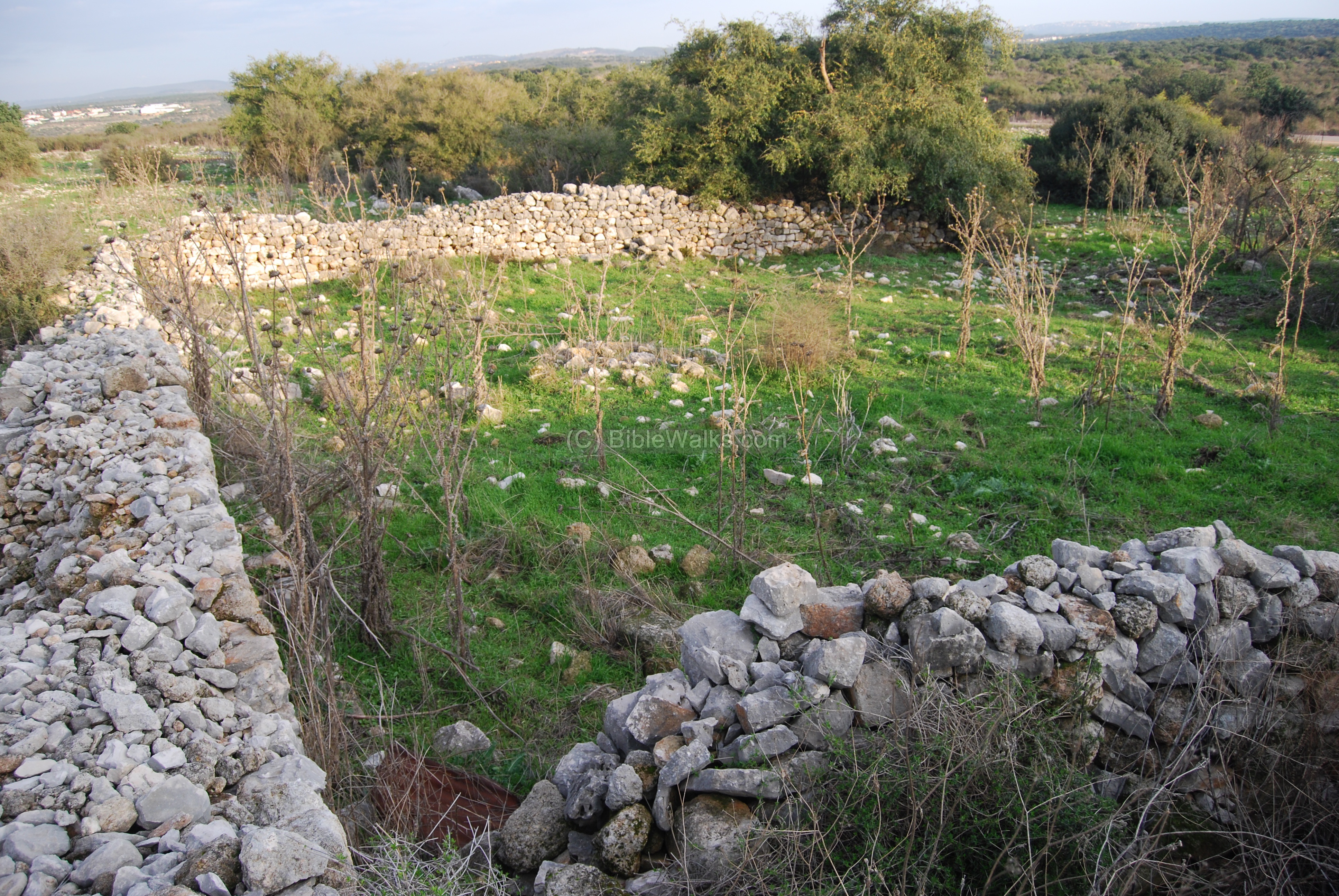
January 2008 Khirbet Manot (Manueth)
Ruins of a Roman/Byzantine village on the western edge of Kziv creek. In the site are ruins of a Crusaders fortified farm complex, including a sugar processing factory.
Archives:
To see the sites of 2012, click here.
To see the sites of 2011, click here.
To see the sites of 2010, click here.
To see the sites of 2009, click here.
To see the sites of 2008, click here.
To see the sites of 2007, click here.
 Other ways to view the sites:
A list of all sites can be seen in the sites overview.
A pictorial display of all sites can be seen in the Sites Galleries.
The most recent sites can be seen in the Last Added page.
The most popular sites can be seen in the Most Popular page
BibleWalks.com – walk with us through the sites of the Holy Land
This page was last updated on Dec 4, 2008
Sponsored links: