
This page summarizes the sites that are reviewed in the area of Jordan Valley – in the eastern side of central Israel.
Home > Sites > Jordan Valley > Sites Gallery
Contents:
Sites:
On each site below you can:
- read a short summary (above the picture)
- read the biblical reference (below the picture)
- click on the title to get to the review of that site.
- click on the photo to see the picture at full resolution.
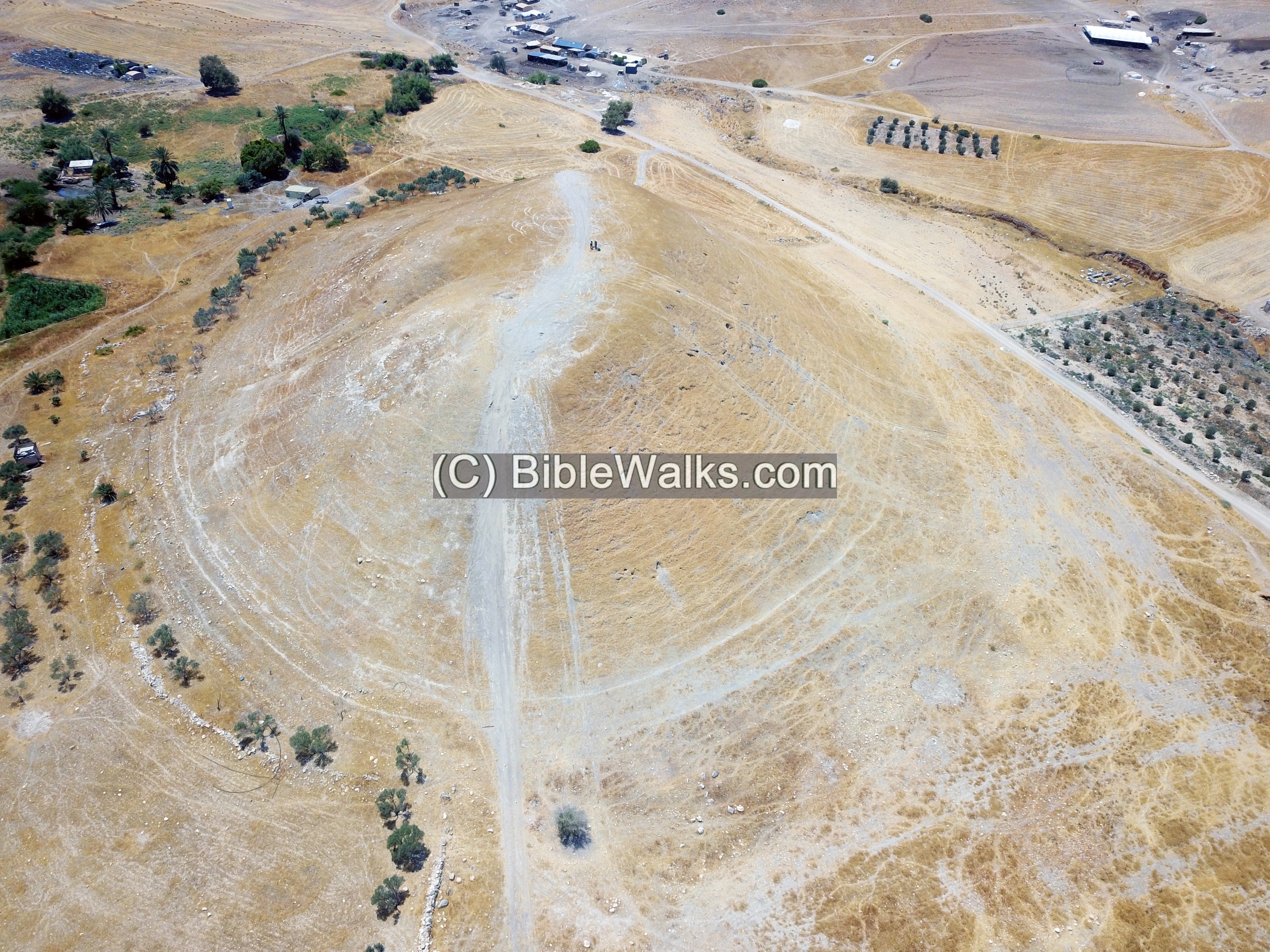
An Iron-age ceremonial site which was recently excavated in the Jordan valley near Moshav Argaman. It is likely that this site was erected by the Israelites, leaded by Joshua, and was their first camp after crossing the Jordan.
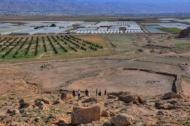
Joshua 4 19:”And the people came up out of Jordan on the tenth day of the first month, and encamped in Gilgal, in the east border of Jericho”
Located on an ancient trade route, this is the oldest bridge in the Jordan valley. The bridge was constructed several times (1266, 1947, 1950s, 1967). Near the bridge is the Biblical city of Adam.
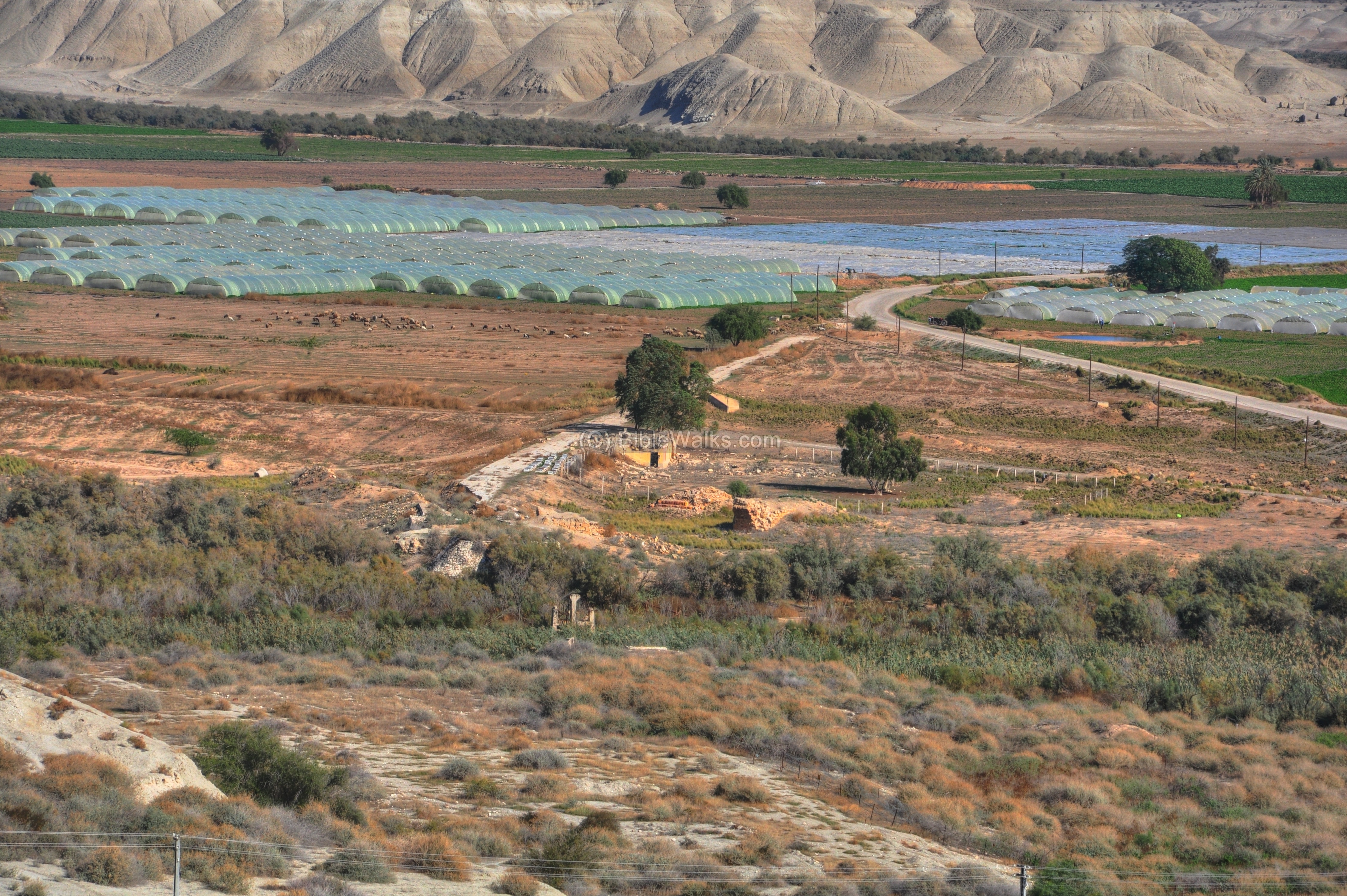
Joshua 3 16: “That the waters which came down from above stood and rose up upon an heap very far from the city Adam, that is beside Zaretan”.
Ruins of a Canaanite city and fortresses dated to the Iron Age II period (Israelite Kingdom), on a broad ridge at the crossing of the Jordan valley and Tirza (Farha) valleys.
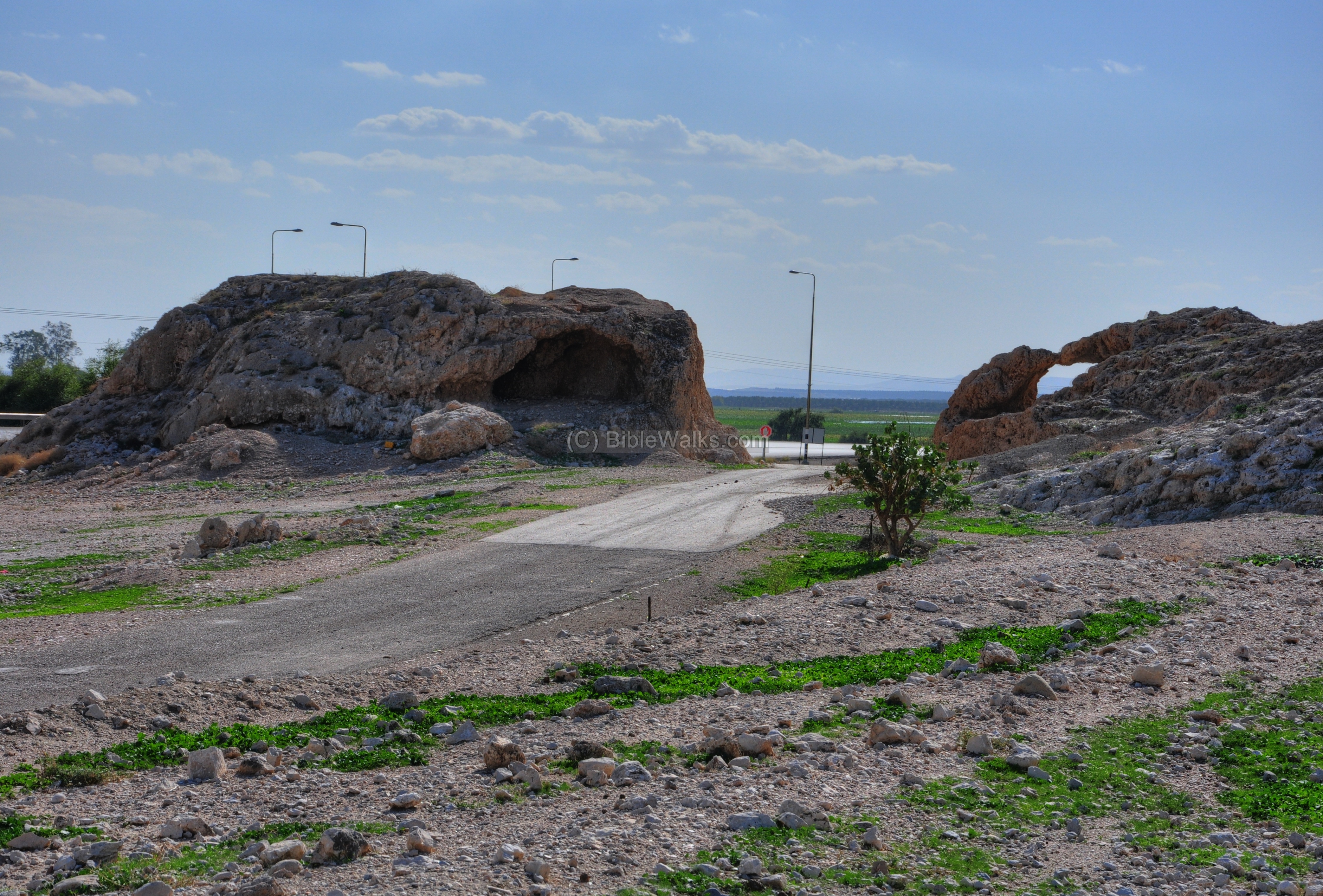
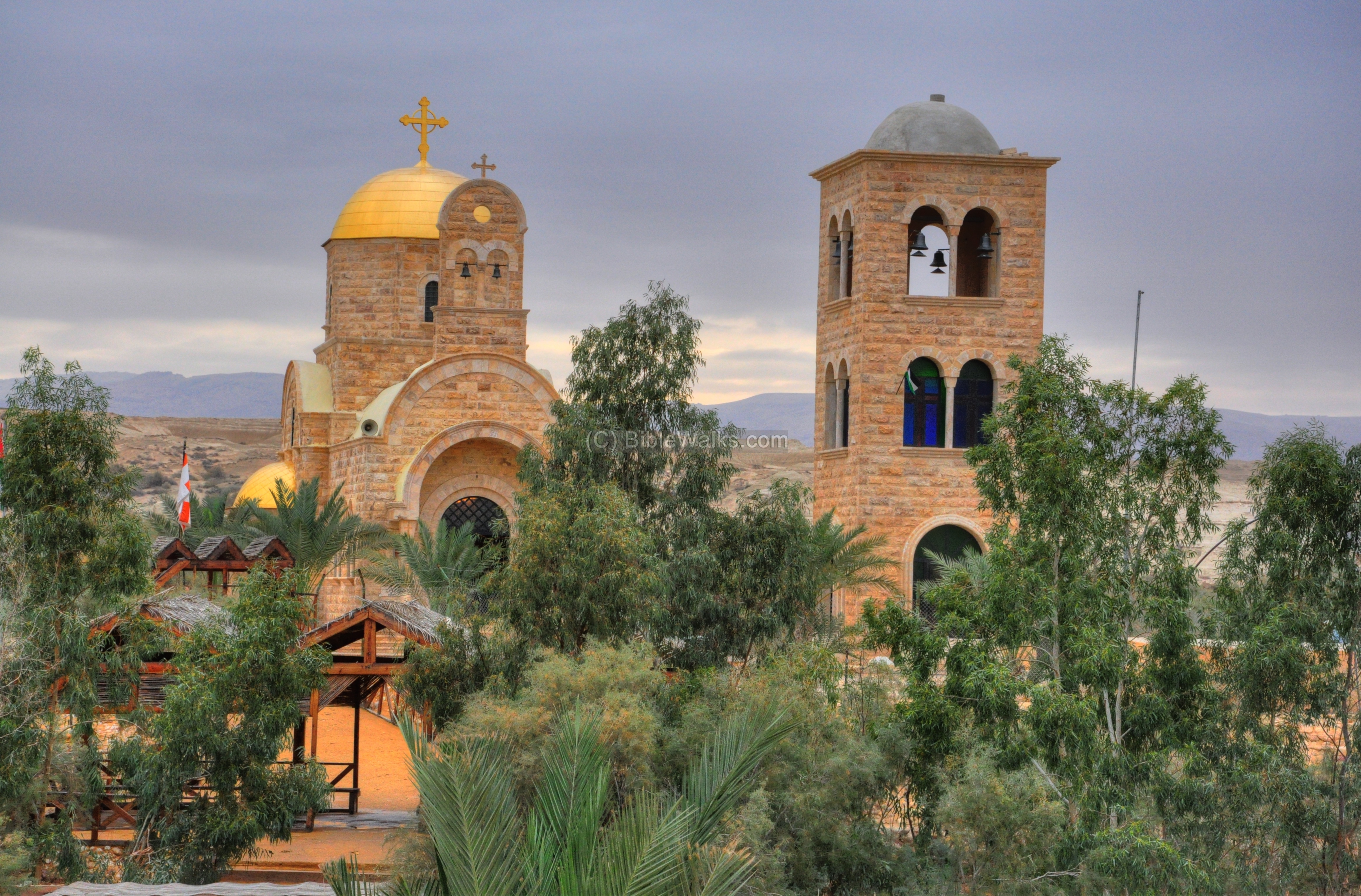
The southern section of the Jordan river near the Dead sea. A traditional site of the Israelite crossing site to the Holy Land, Elijah’s departure, baptize of Jesus by John, and location of many monasteries and chapels.
The eastern section of Fazael brook includes a number of springs, a Roman period aqueduct, ruins of an Ottoman flour mill, and a Biblical Tell which is identified as Ataroth.
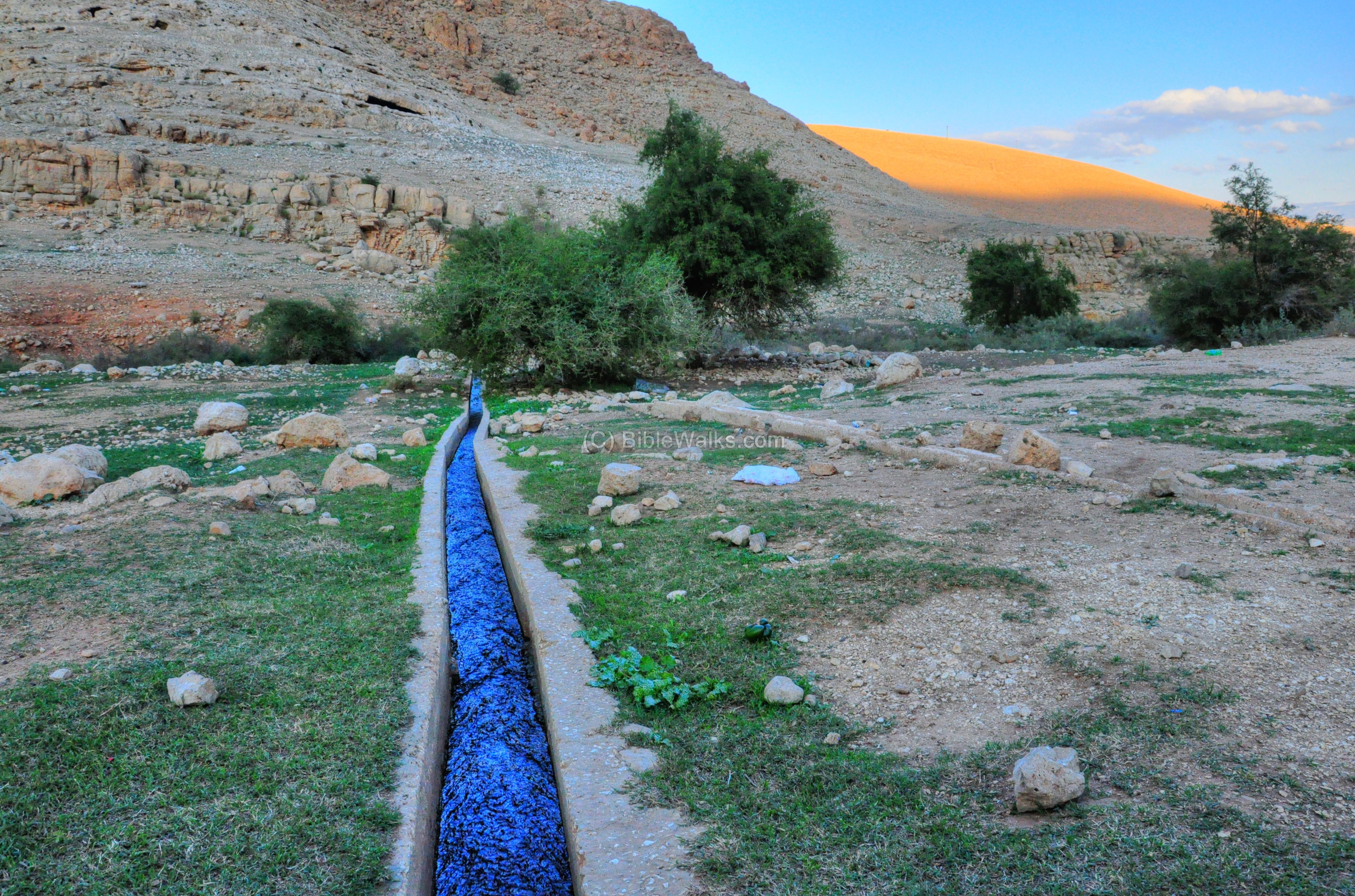
Joshua 16 5,7: “And the border of the children of Ephraim … went down from … to Ataroth…”
A monastery on the southern side of the Jordan valley, founded in the 5th C by Abbot Gerassimos.
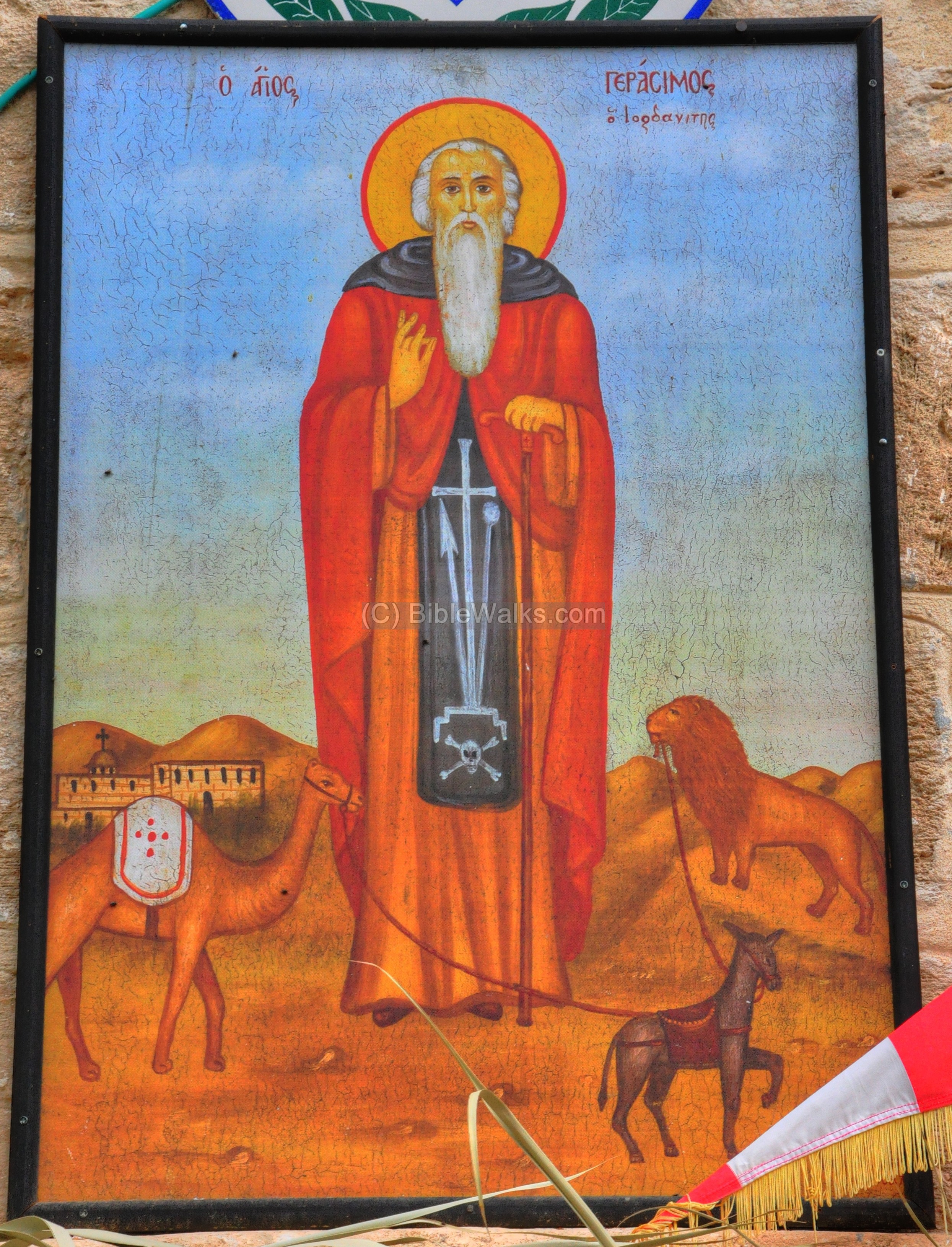
Joshua 15 6: “And the border went up to Bethhogla, and passed along by the north of Betharabah”
Ruins of a famous Roman period settlement on the north-western shore of the Dead Sea. This was the home of the Essenes, a break-away sect. Scrolls, hidden in jars, were discovered in the caves around the site.
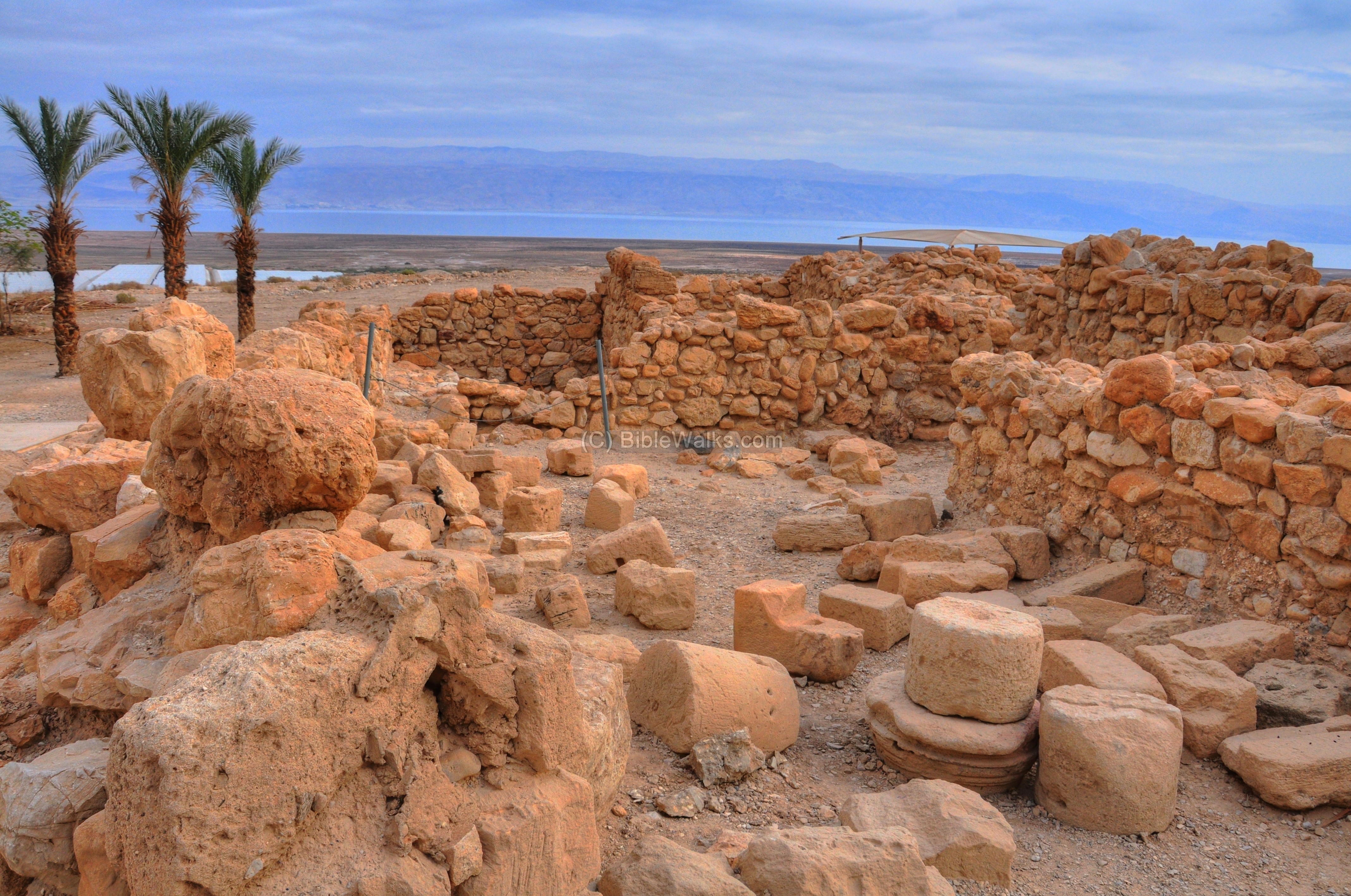
(also in the Judea sites gallery)
At Tel Issachar are ruins of an ancient Canaanite and Israelite city, located on a mound on the north bank of Issachar brook.

Ruins of Hasmonean and Herodian palaces built in the second temple period, in the southwest area NT of Jericho.

(Josephus Flavius Wars 4, 8: 2): “There are in it many sorts of palm trees… pronounce this place to be divine…”.
Ruins of an impressive Crusaders fortress located on a high cliff above above the northern Jordan valley.
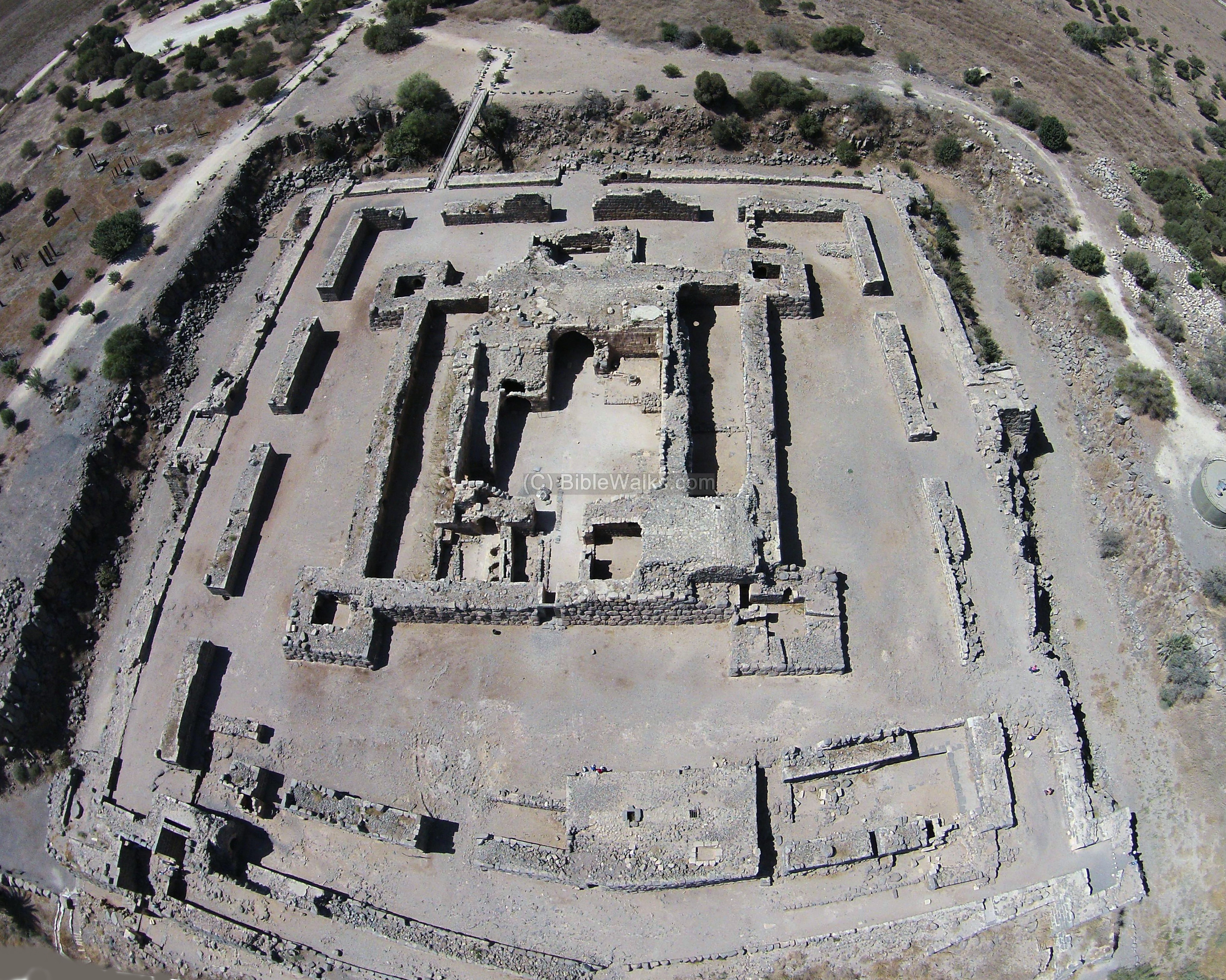
A walled Biblical city on a mound near the Jordan River. Nearby, a major prehistoric site with earliest remains of Early man outside Africa.
Joshua 19:22: “And the coast reacheth to … Bethshemesh; and the outgoings of their border were at Jordan…”
An artificial mound located in the Beit She’an valley, with remains from the Canaanite and Israelite periods.
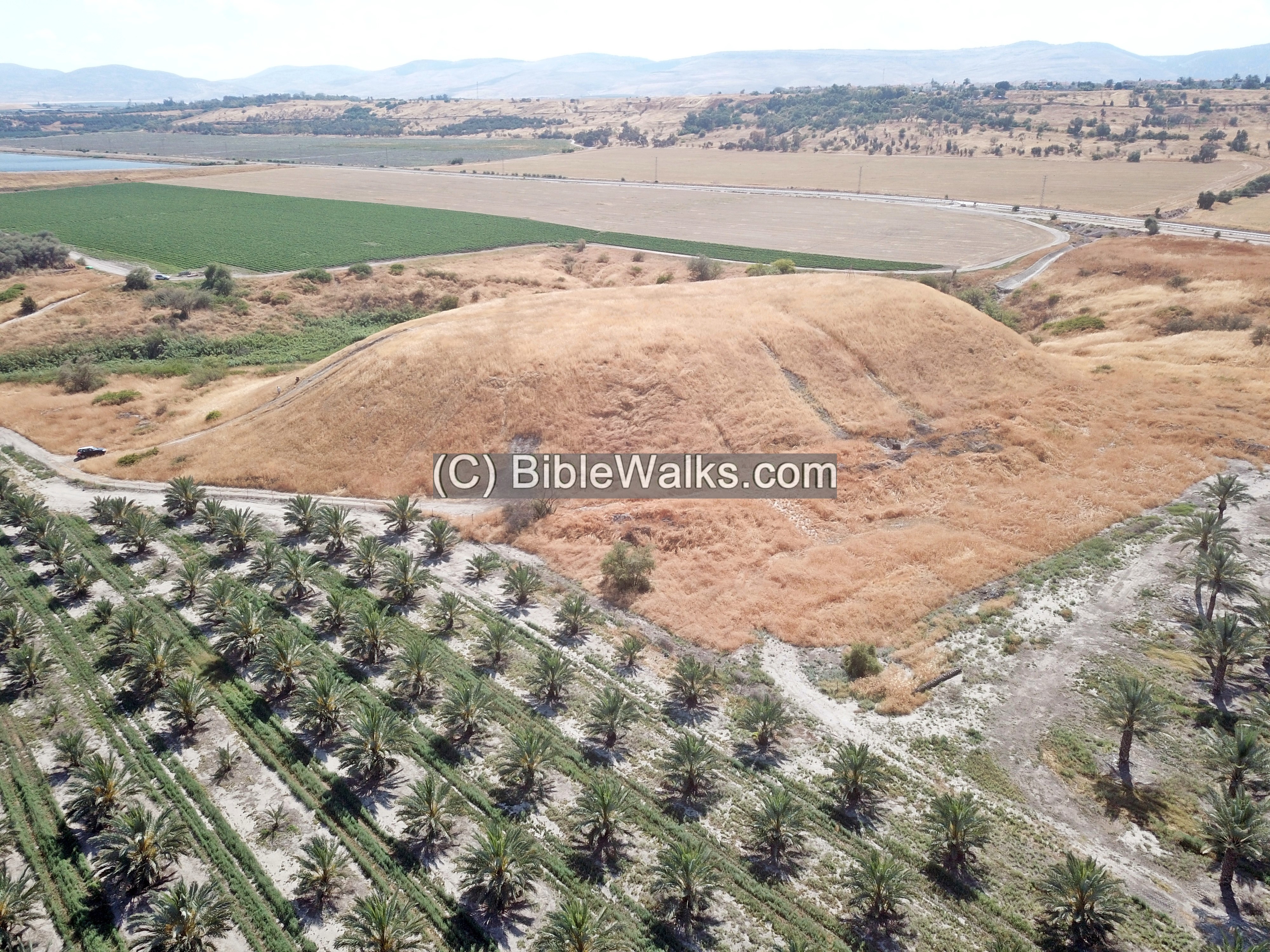
An artificial mound located in the central Jordan valley, that guarded a major crossing point of the Jordan river.
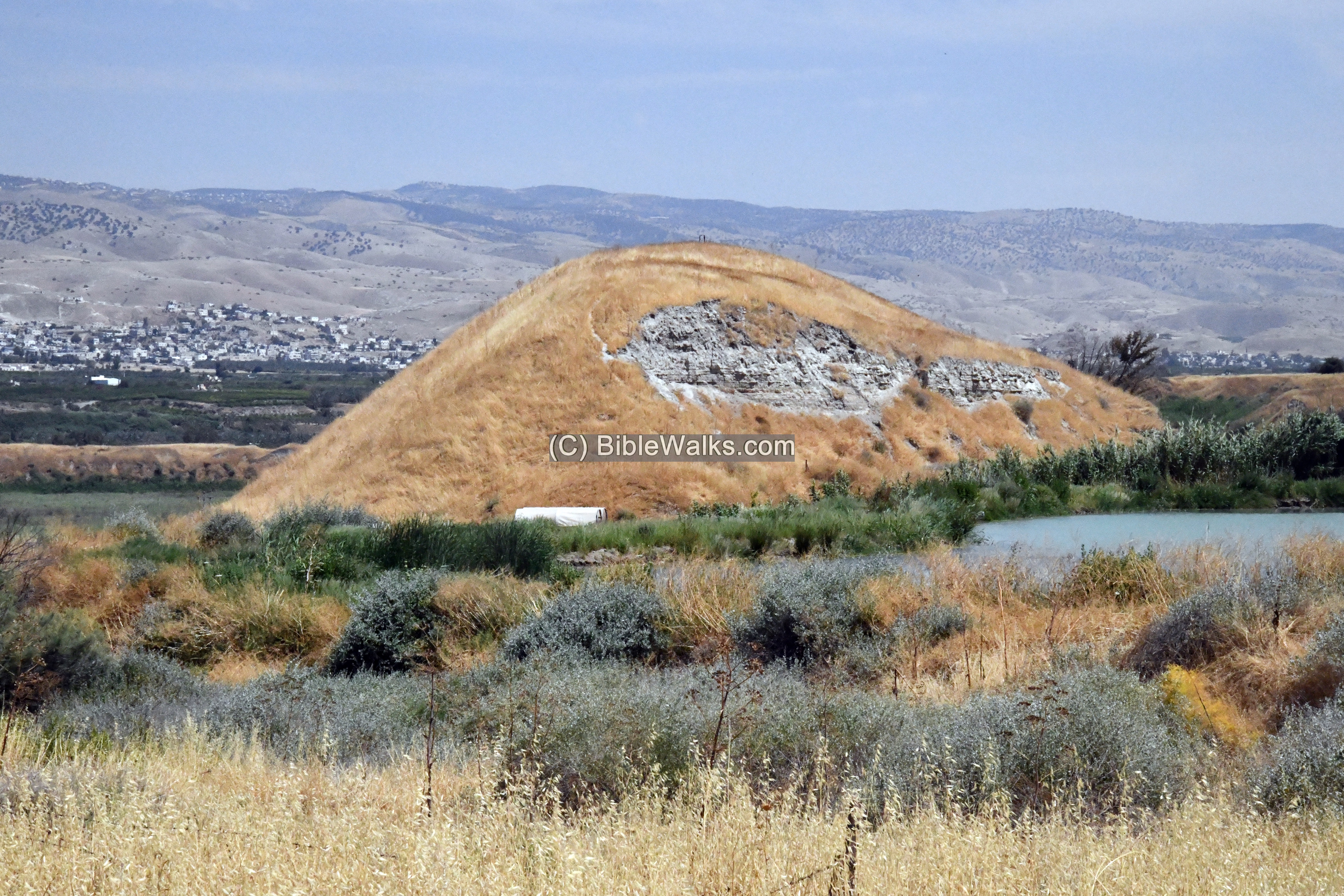
An impressive Biblical Tel located near the southern entrance to the Beit Shean valley.
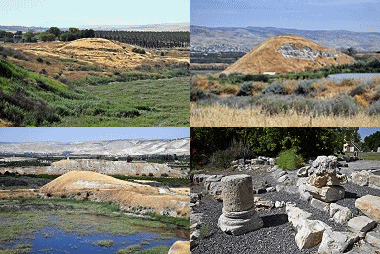
In the vicinity of Kfar Ruppin are many Biblical sites, located near a major crossing point of the Jordan river.
An impressive Iron Age II fortress and settlement, built on the summit of a steep ridge overlooking the Jordan valley near Nahal Tabor stream.
Biblical sites near an ancient crossing point of the Jordan river at the delta of Nahal Tabor.
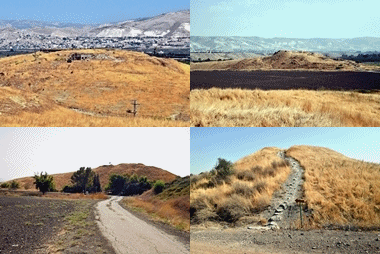
A multi-period site near an ancient crossing point of the Jordan river.
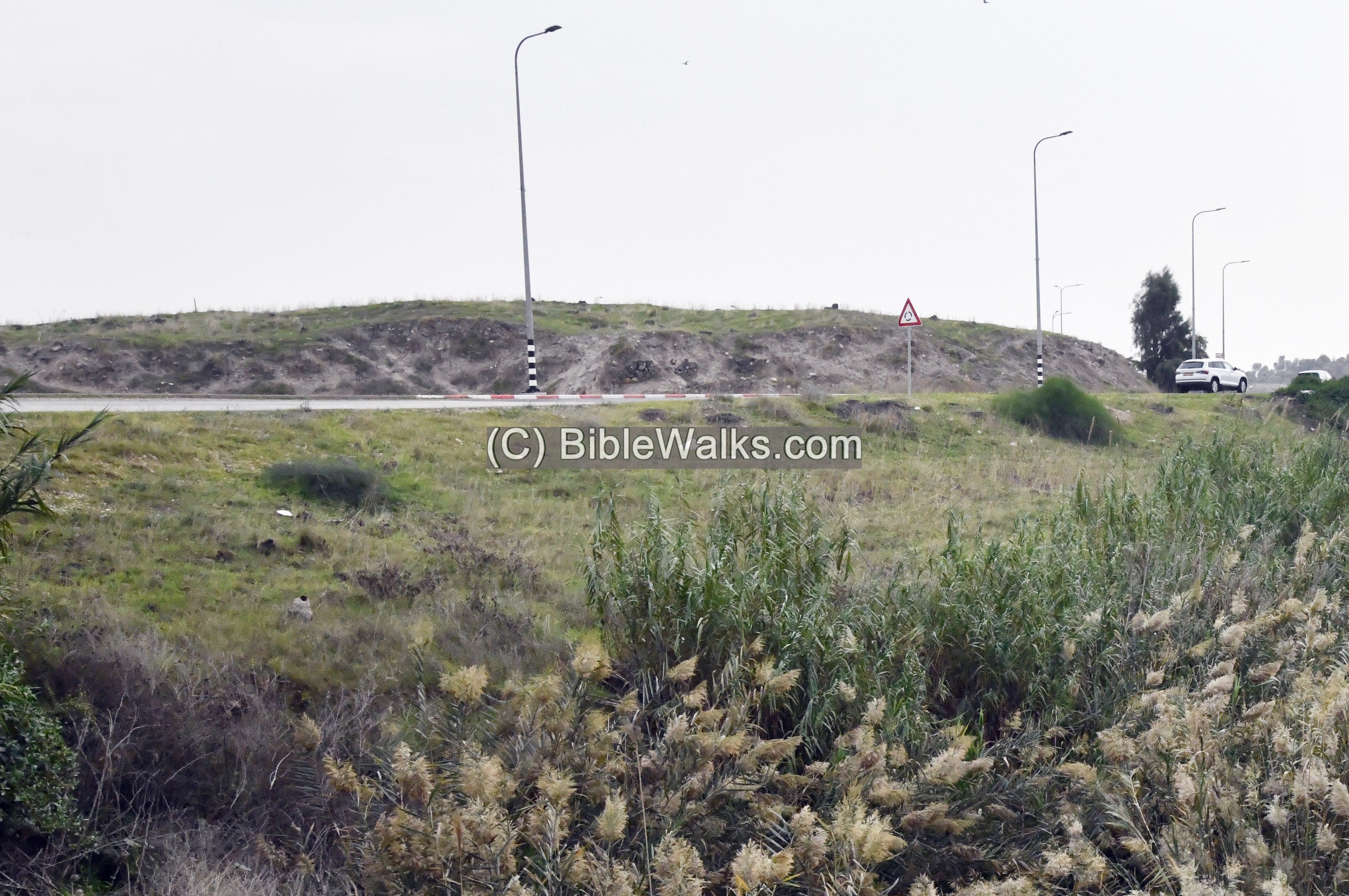
Ruins of a large multi-period village, located on the eastern slopes of Mount Gilboa.
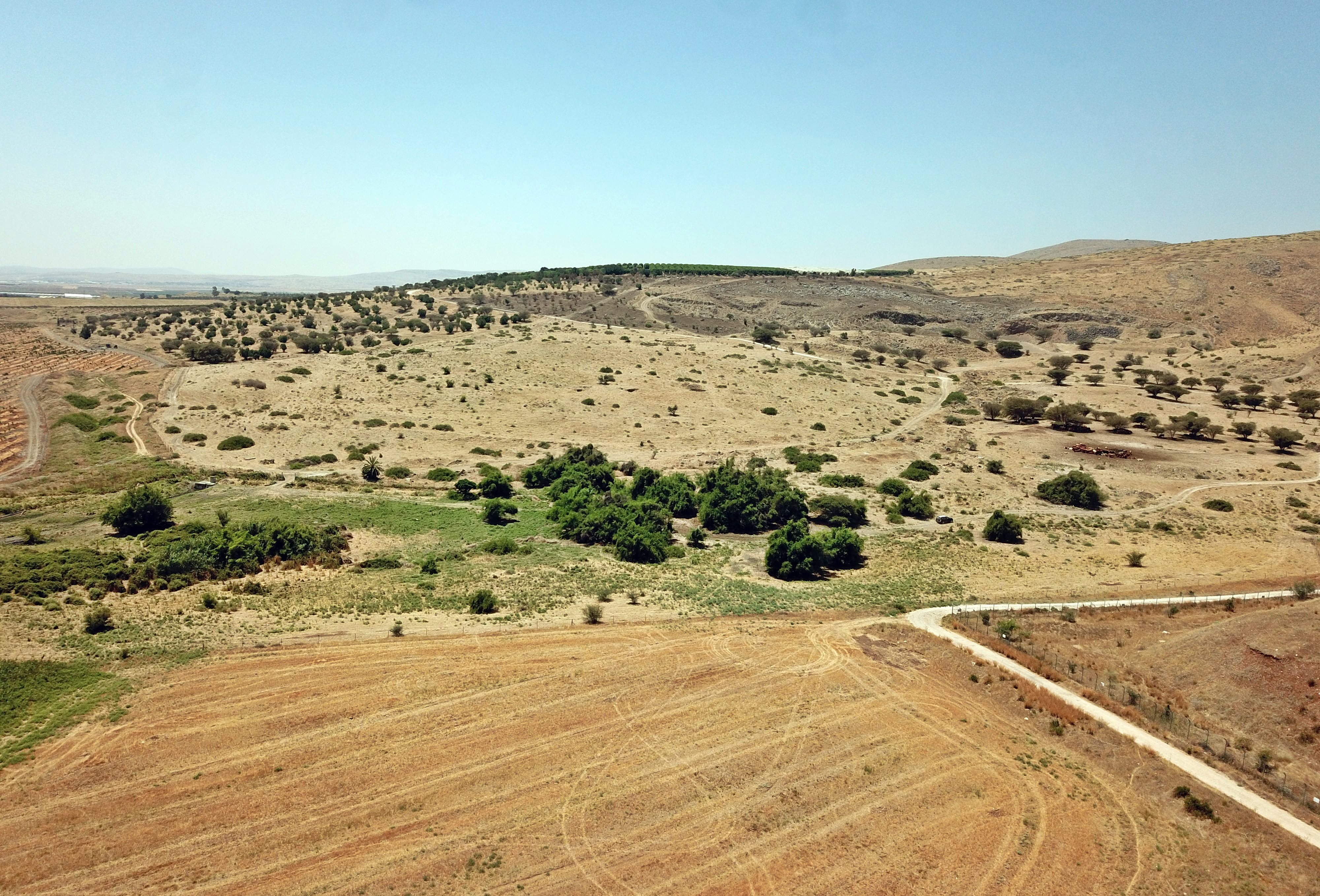
This overview page provides a list of the sites included in the BibleWalks archaeological survey of the Jordan Valley and its surrounding vicinity.

Ruins of a multi-period site north west of Tirat Zvi, with a mosaic floor decorated with a Menorah and Shofar. Nearby are additional sites.
Prehistoric sites near ancient crossings of the Jordan river.
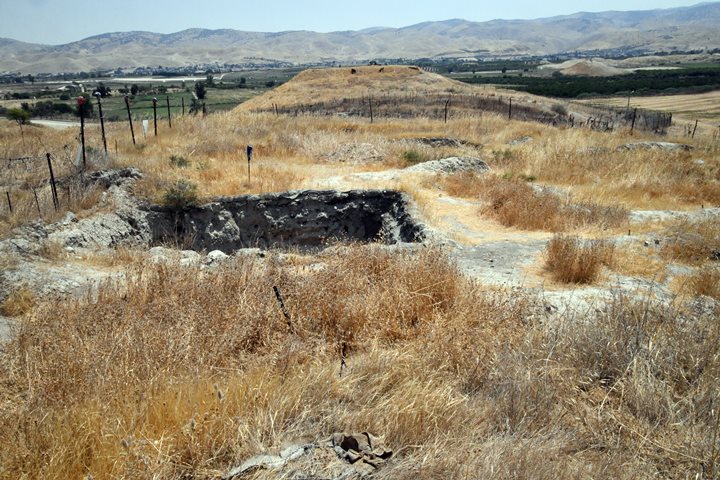
Tel Zemed, Tel Saharon and Tel Malluah
Ancient sites in the Jordan valley, en route from Beit Shean to the Transjordan city of Jabesh Gilead.

Two Bronze/Iron age sites in the Jordan valley, on the route from Rechov to the Jordan river crossings.
Bronze/Iron age sites in the Jordan valley, on the route from Beit Shean to the Jordan river crossing at Sheikh Hussein. Including Tels Eshtori, Nimrod, Midrash, Zofim.
Tell Sheikh edh Dhiab and Rujm abu Mukeir
Tell Sheikh edh Dhiab – Iron Age mound, on the eastern section of Fazael brook; Rujm Abu Mukheir – Iron Age round fortress that protected the road to Samaria.

Horvat Baat (Khirbet el Bawati)
A ruined village dated to the Roman/Byzantine and early Arab period. Located near Kibbutz Hamadia, on the side of the imperial Roman road from Tiberias to Beit She’an Scythopolis.

Tel Shalem (Tell Salim, Tell er Radghah)
An ancient mound, located in the Jordan valley near a bountiful spring.

Search for the location of “Aenon near Salim”, where John the Baptist was baptizing people. (John 3, 23): “Now John also was baptizing at Aenon near Salim, because there was plenty of water, and people were coming and being baptized”.

Horvat Kush is a multi-period settlement in ruins, strategically positioned with a commanding view of the Yavne’el Valley. It is identified as Biblical Lakum.

Ruins of an Iron Age fortress and a Byzantine period monastery west of Menahemia.
Mizpe Elot (esh Sheikh Muzeighit)
Ruins of a Bronze/Iron Age site and observation place west of Menahemia.

Ruins of a Bronze/Iron Age mound and Roman/Byzantine settlement north west of Menahemiya.
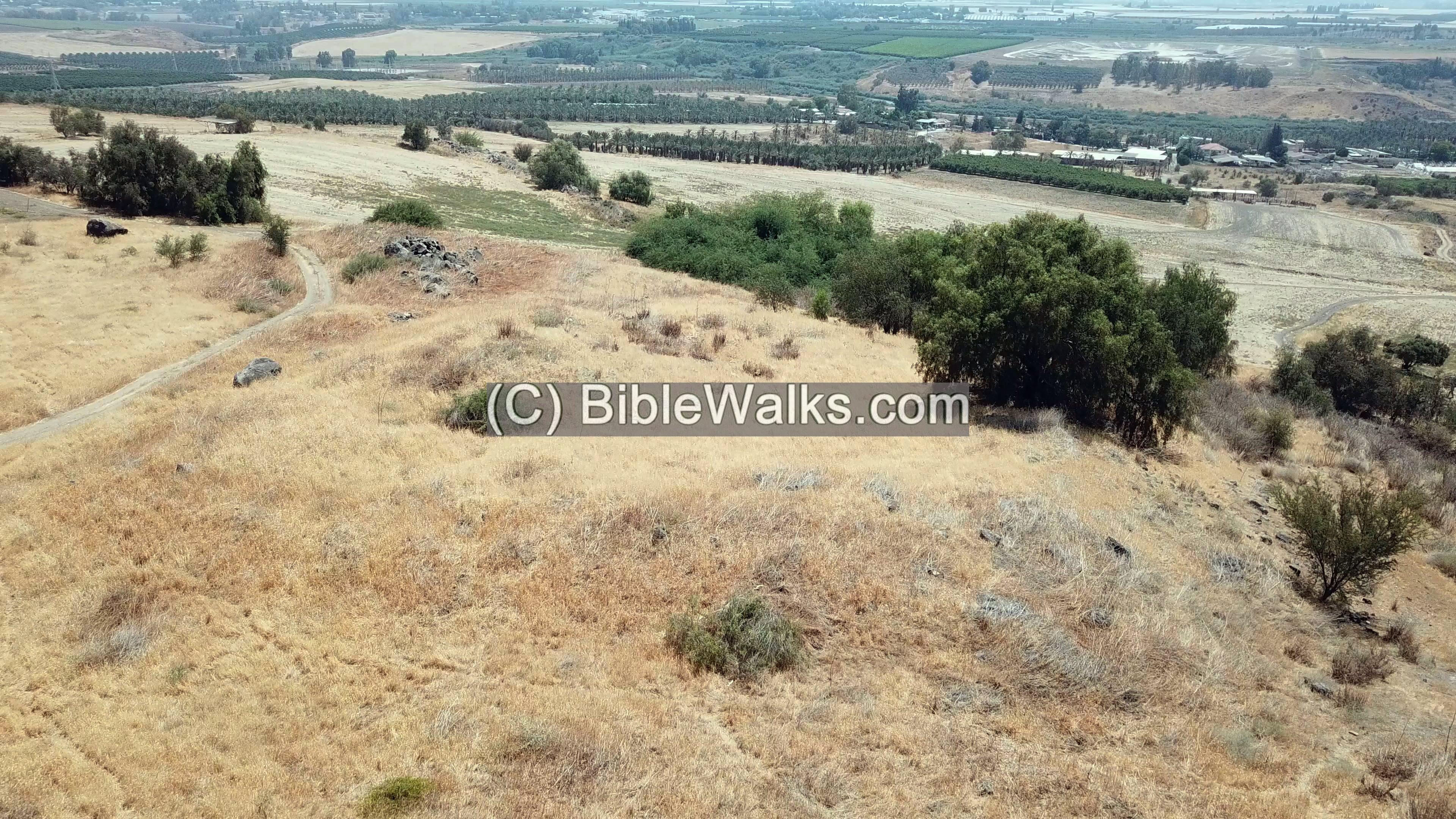
Ruins of a Bronze/Iron Age and Roman/Byzantine settlement north west of Menahemiya.
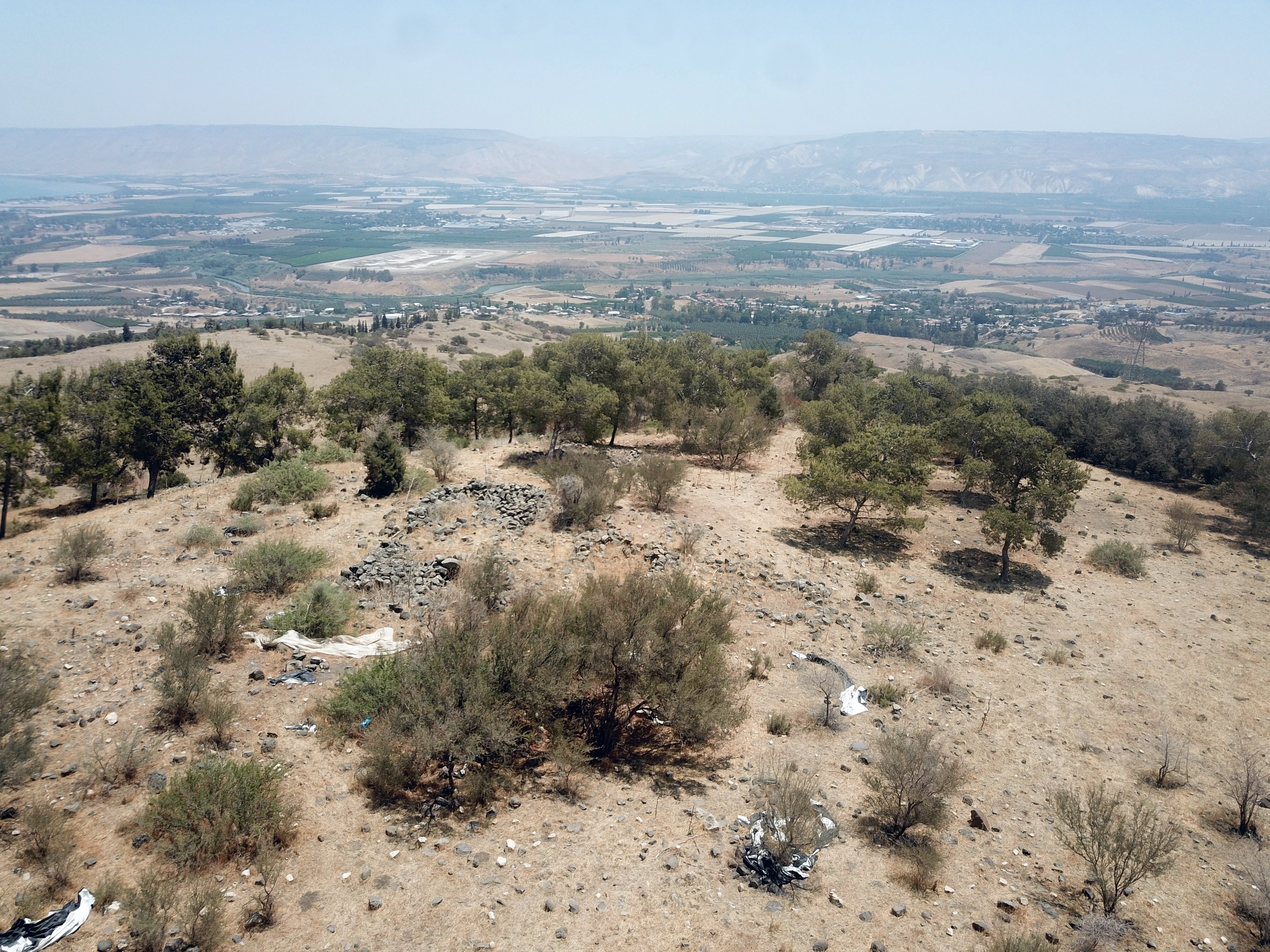
Ruins of a large fortified Iron Age city south of ‘Aujah Valley (Nahal Yitav).
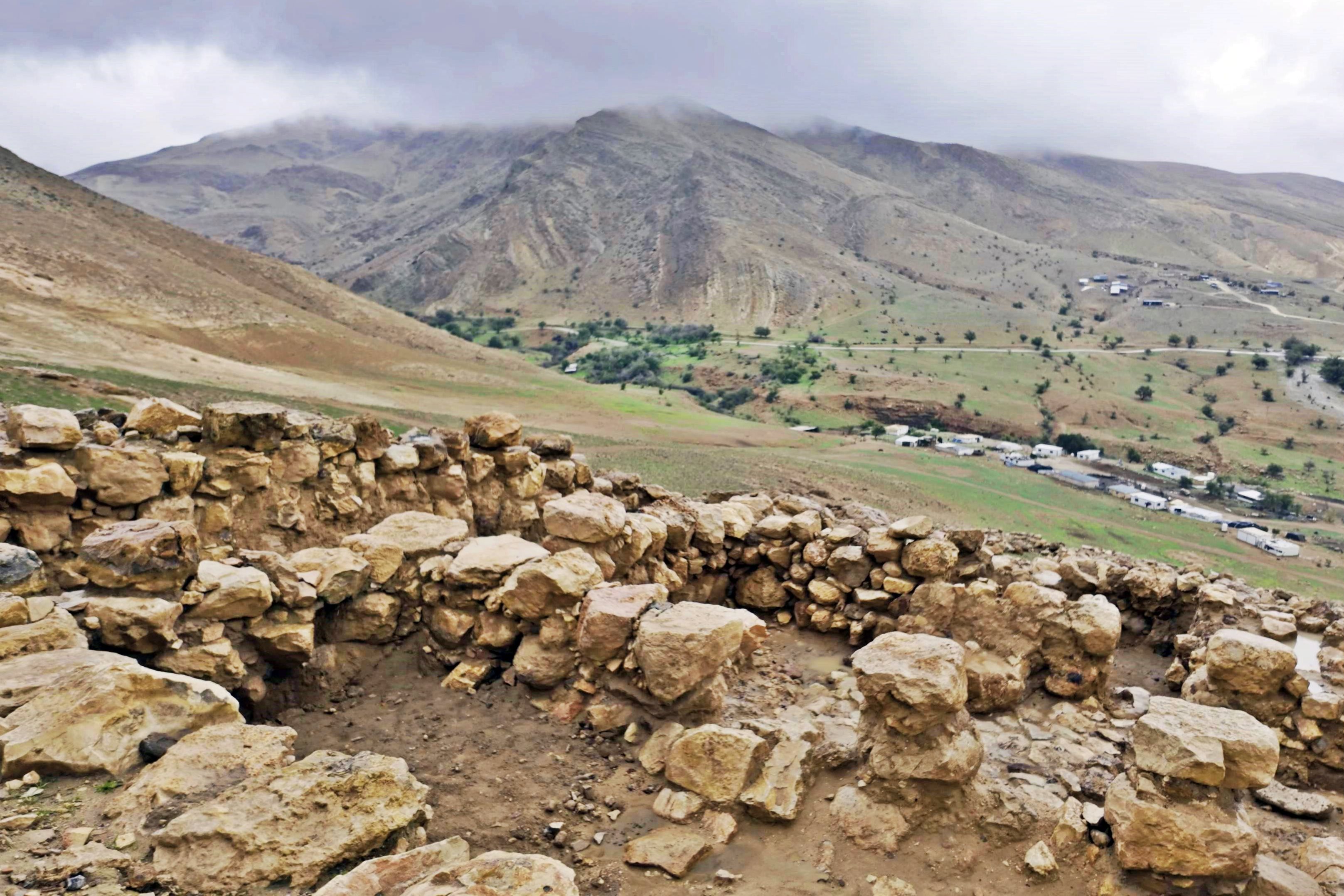
Links:
- Map of Jordan valley sites
- BibleWalks archaeological survey of the Jordan valley area
- Jordan valley BibleWalks aerial views – a YouTube playlist
BibleWalks.com – walking along the bank of the Jordan river
Sites Navigation: On all featured sites, you can use the navigation aid at the end of the page for proceeding to the next site. The navigation bar takes you through a tour of the sites. At the bottom of each site you can navigate forward or backward, or return back to a full list of all sites in all regions of Israel.
<<<All Sites>>>—next Jordan Valley site—>>> Gilgal Argaman
This page was last updated on Jan 8, 2026 (add ‘Aujah el Foqa)
Sponsored links + sample links to BibleWalks sites: