
This page summarizes the sites that are reviewed in the area of the Golan – located on the north-east side of Israel.
Home > Sites > Golan > Sites Gallery
Contents:
Overview:
The Golan Heights is a region in northern Israel, situated east of the Sea of Galilee and bordering Syria to the east. The area was captured by Israel during the 1967 Six-Day War, and it has been under Israeli control since then.
The Golan Heights is known for its stunning natural beauty, with scenic mountains, fertile valleys, and natural springs. It is also a popular destination for outdoor activities such as hiking, cycling, and skiing in the winter.
One of the main attractions in the Golan Heights is Mount Hermon, the highest peak in Israel. It is a popular ski resort in the winter and offers hiking trails and breathtaking views in the summer.
Another popular destination in the Golan Heights is the Banias Nature Reserve, which is home to the Banias Waterfall and the remains of an ancient city. The reserve is a popular spot for hiking and picnicking, and it is also an important site for bird watching.
The Golan Heights is also known for its wine industry, with several wineries producing award-winning wines. The region’s rich volcanic soil and high altitude make it an ideal location for growing grapes.
Overall, the Golan Heights is a unique and beautiful region that offers a range of attractions and experiences for visitors, from outdoor adventures to cultural and historical exploration.
The Sites:
On each site below you can:
- read a short summary (above the picture)
- read the biblical reference (below the picture)
- click on the title to get to the review of that site.
- click on the photo to see the picture at full resolution.
You can also see the list of sites on a map of the region, and use it to navigate among the places.
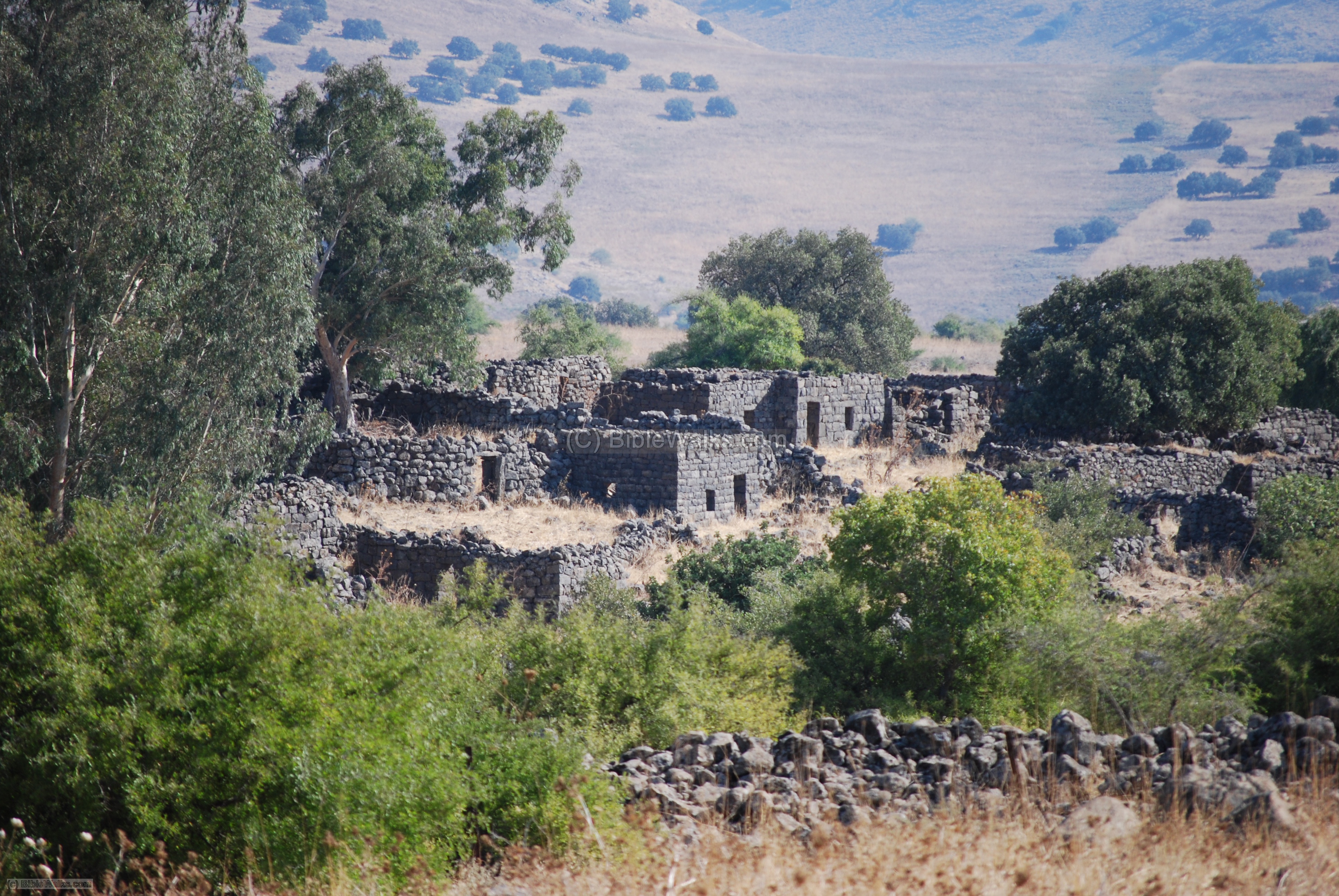
- This site is located on the Golan heights, above the north-east side of the sea of Galilee. This site is the ruins of an Arab village which was built on top of a Roman synagogue. Walking through the ruins brings the sensations of living in the Biblical times.
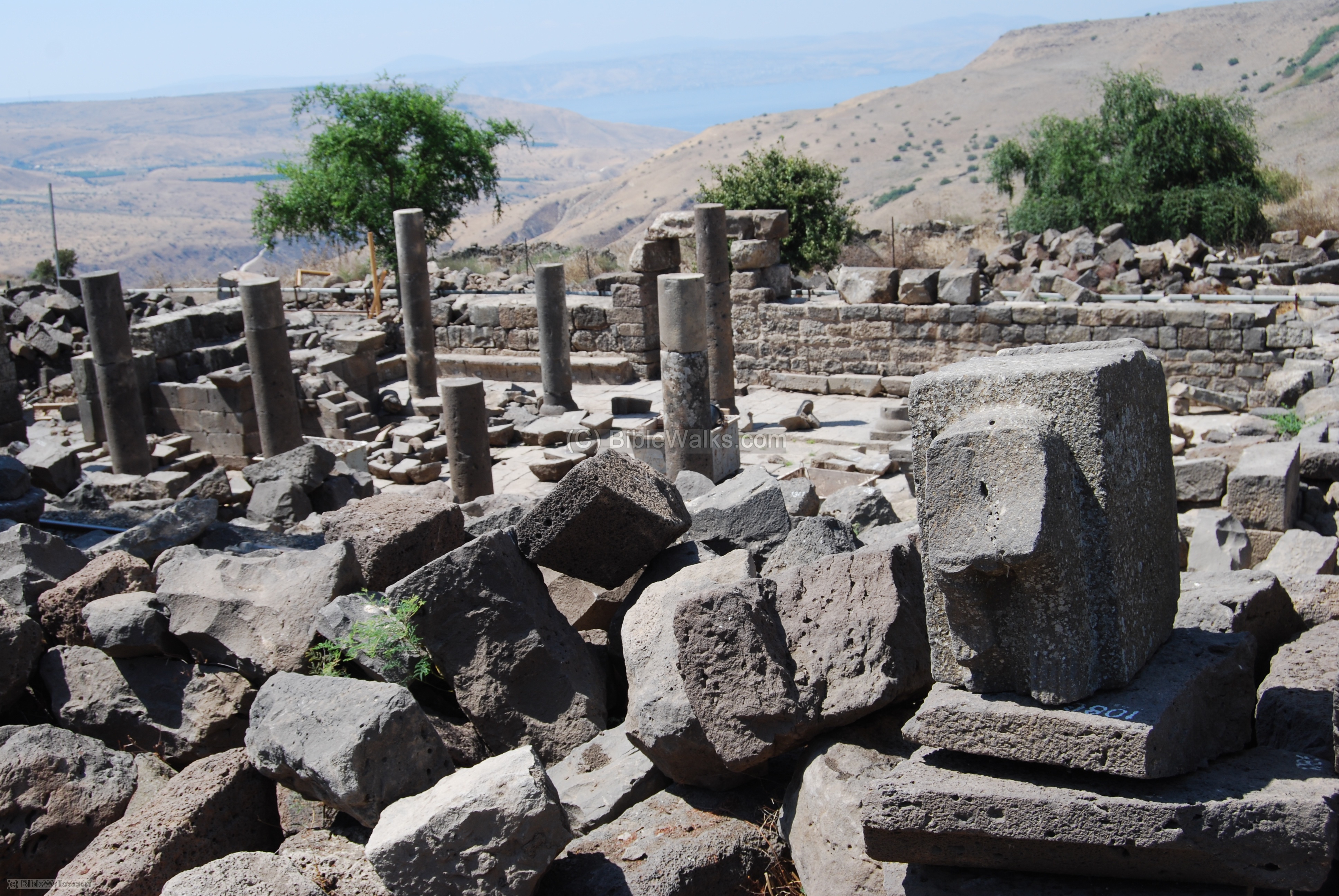
- Ruins of a Byzantine village located in the southern Golan heights. The site has a spring that flows out of a double-arches structure, and also ruins of a grand Roman period synagogue.
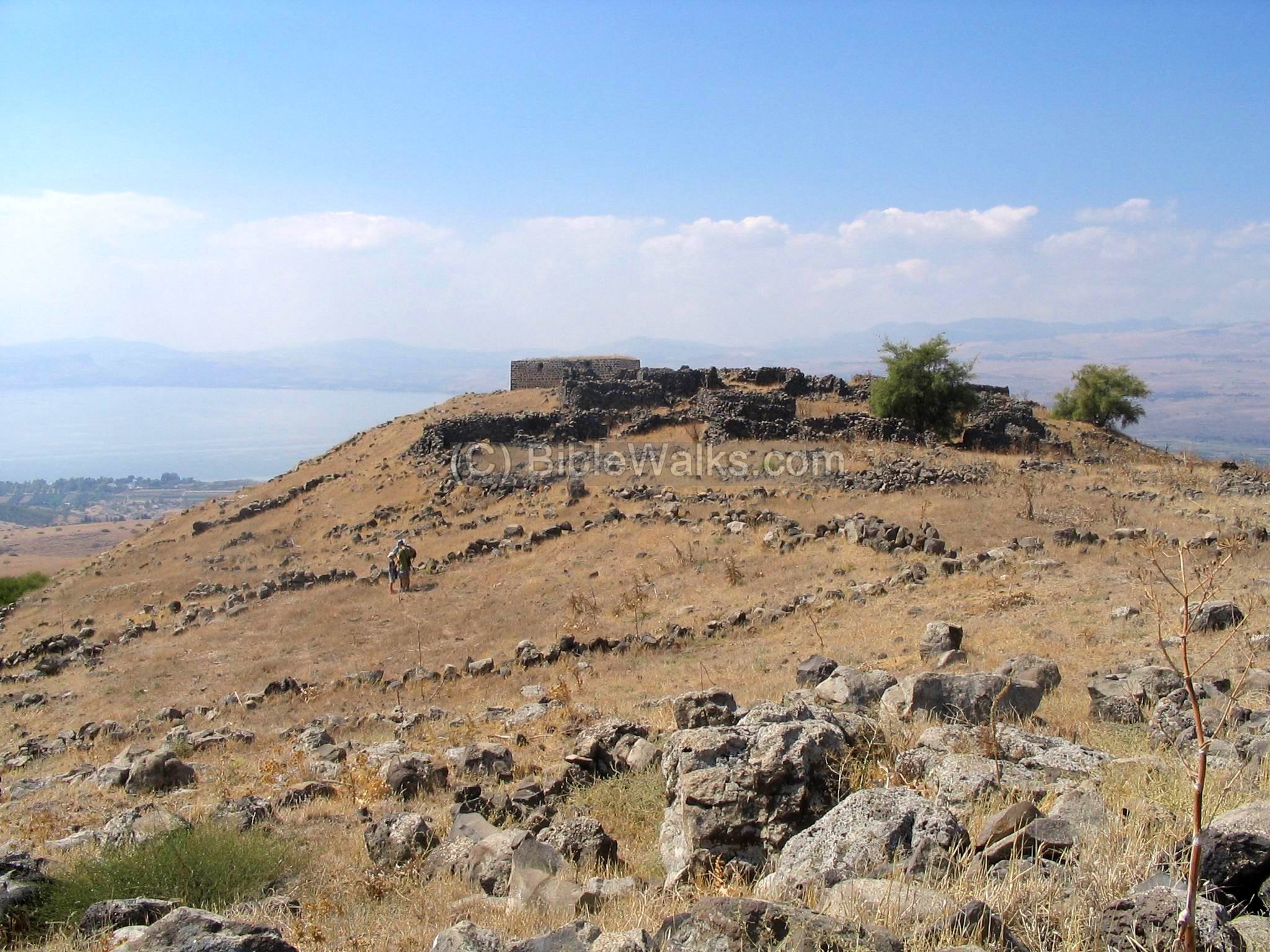
- Ruins of a Roman village located in the central Golan heights. This site is identified as Sogana, one of the villages that were forified during the great revolt against the Romans.
- Josephus Flavius, War 2: 20: 6: “…in Gaulonitis he fortified Seleucia, and Sogane, and Gamala”
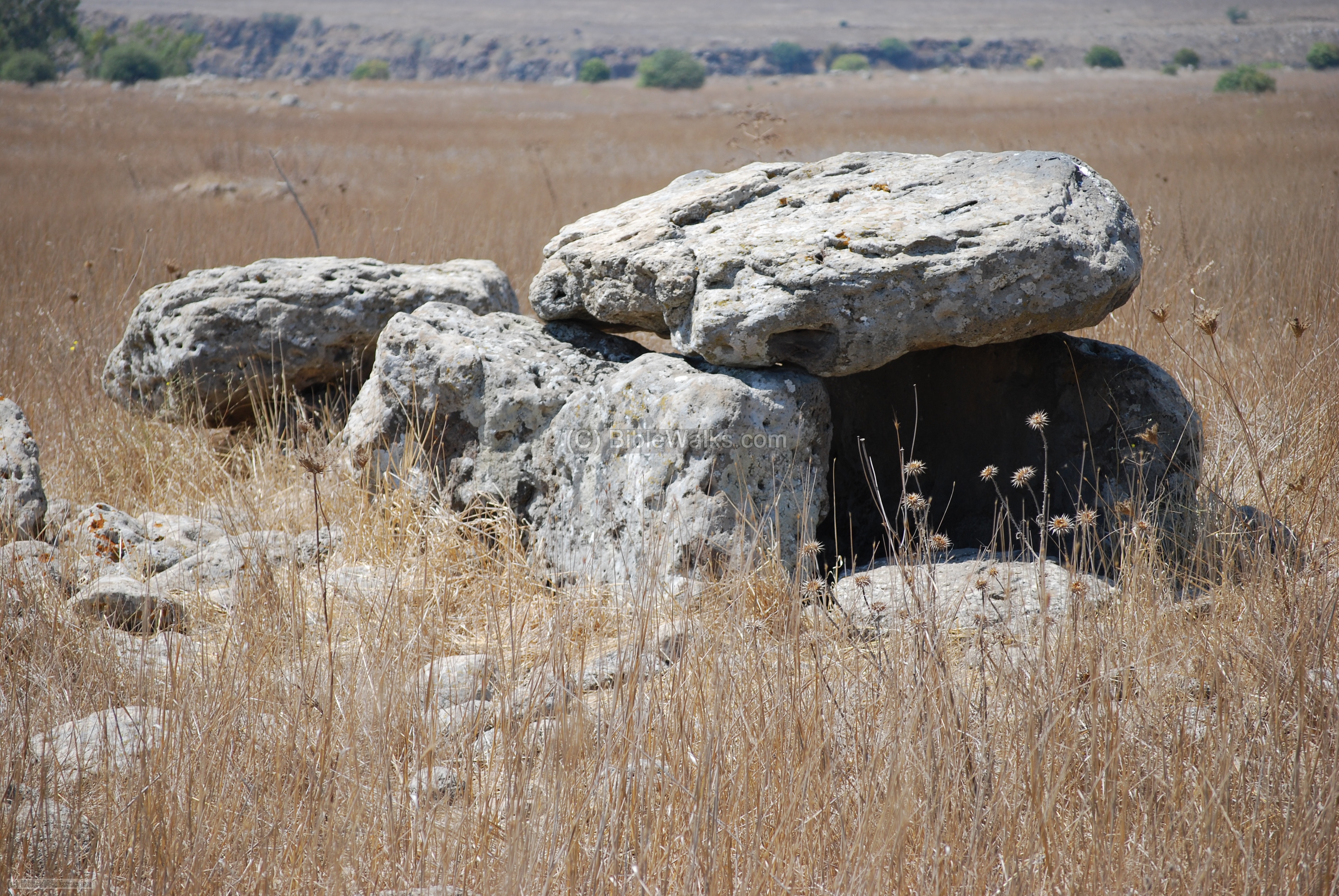
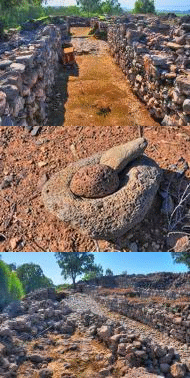
- In the Golan there are hundreds of prehistoric megalith tombs erected in the fields.
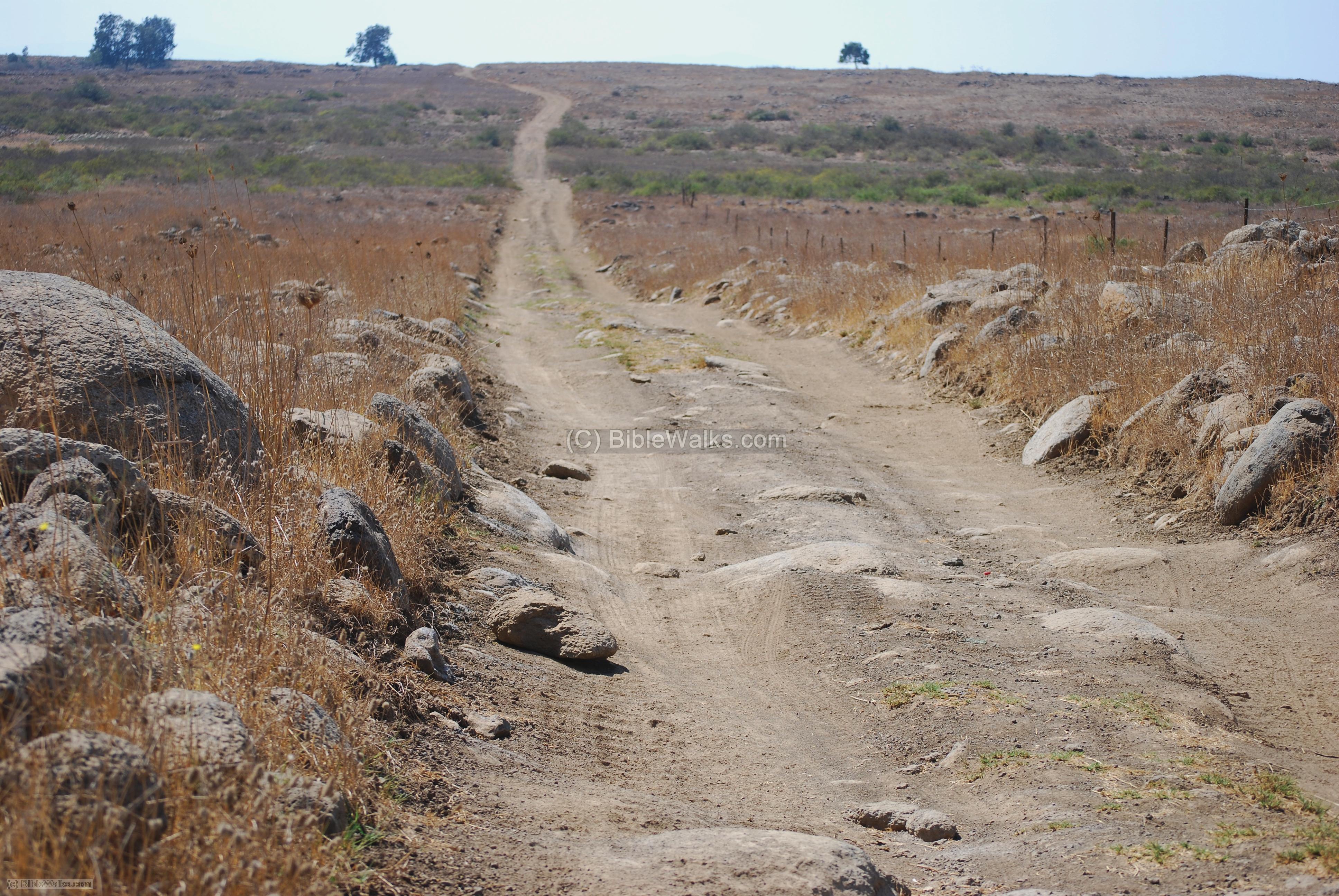
- The Romans built roads thru the Golan heights, establishing efficient link from Israel to Syria
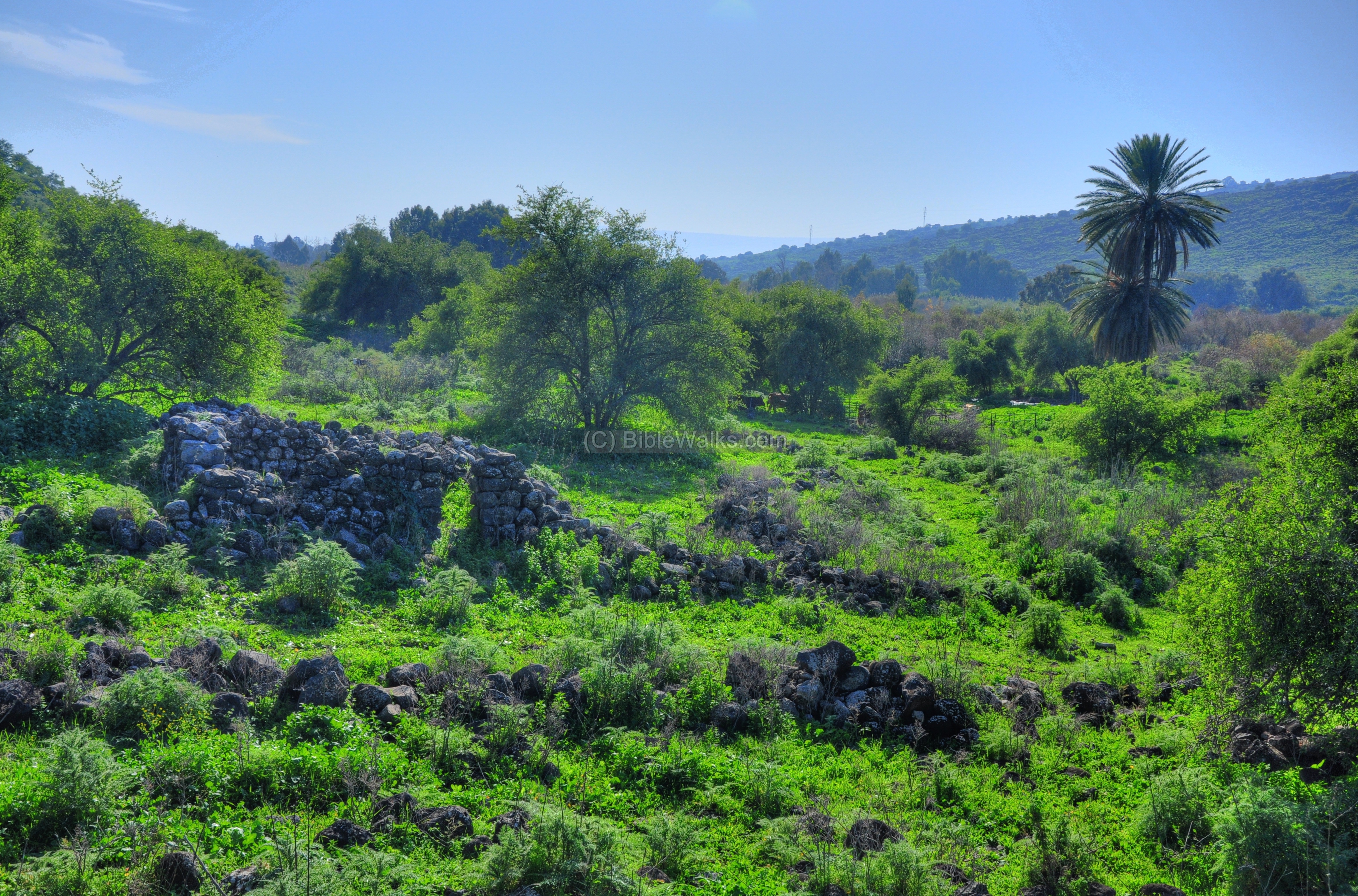
- The ruins of the village are located on a hill, above the delta of the upper Jordan river, a fertile area with many ancient villages. It was a fishermen town, and the site of Jesus’ two miracles.
- Mark 8:22: “And he cometh to Bethsaida; and they bring a blind man unto him…”
- Ruins of a late Roman village, located near the upper Jordan river in the fertile valley of BethSaida (Bettiha).
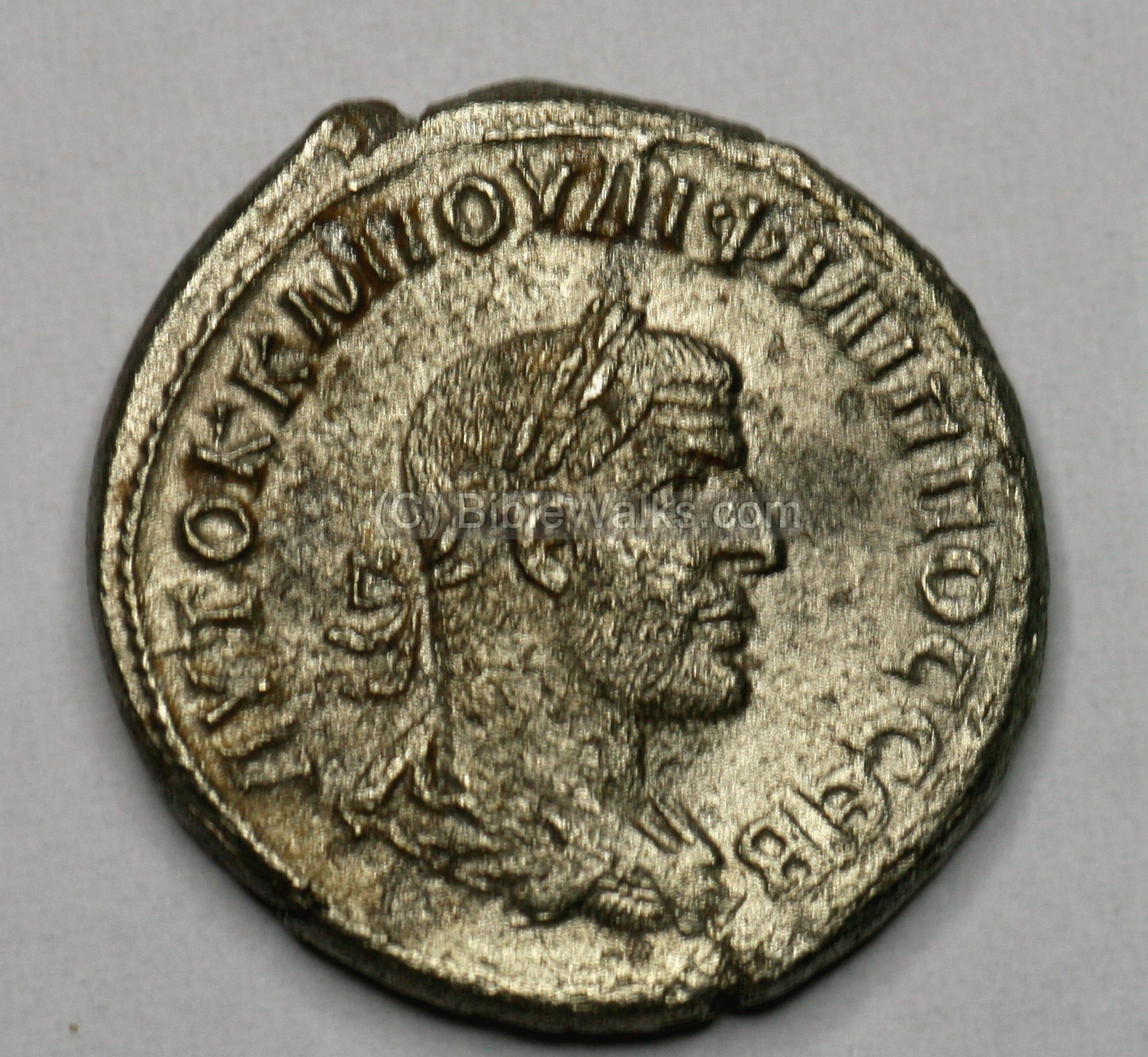
- This web page presents some of the coins found in the Bethsaida excavations.
- Gamla, a large fortified city located on a high ridge above a crossing of two gorges, is one of the famous cities where Jewish rebels fought bravely against the Romans until their fatal end. Its story is well detailed in Josephus historical accounts.
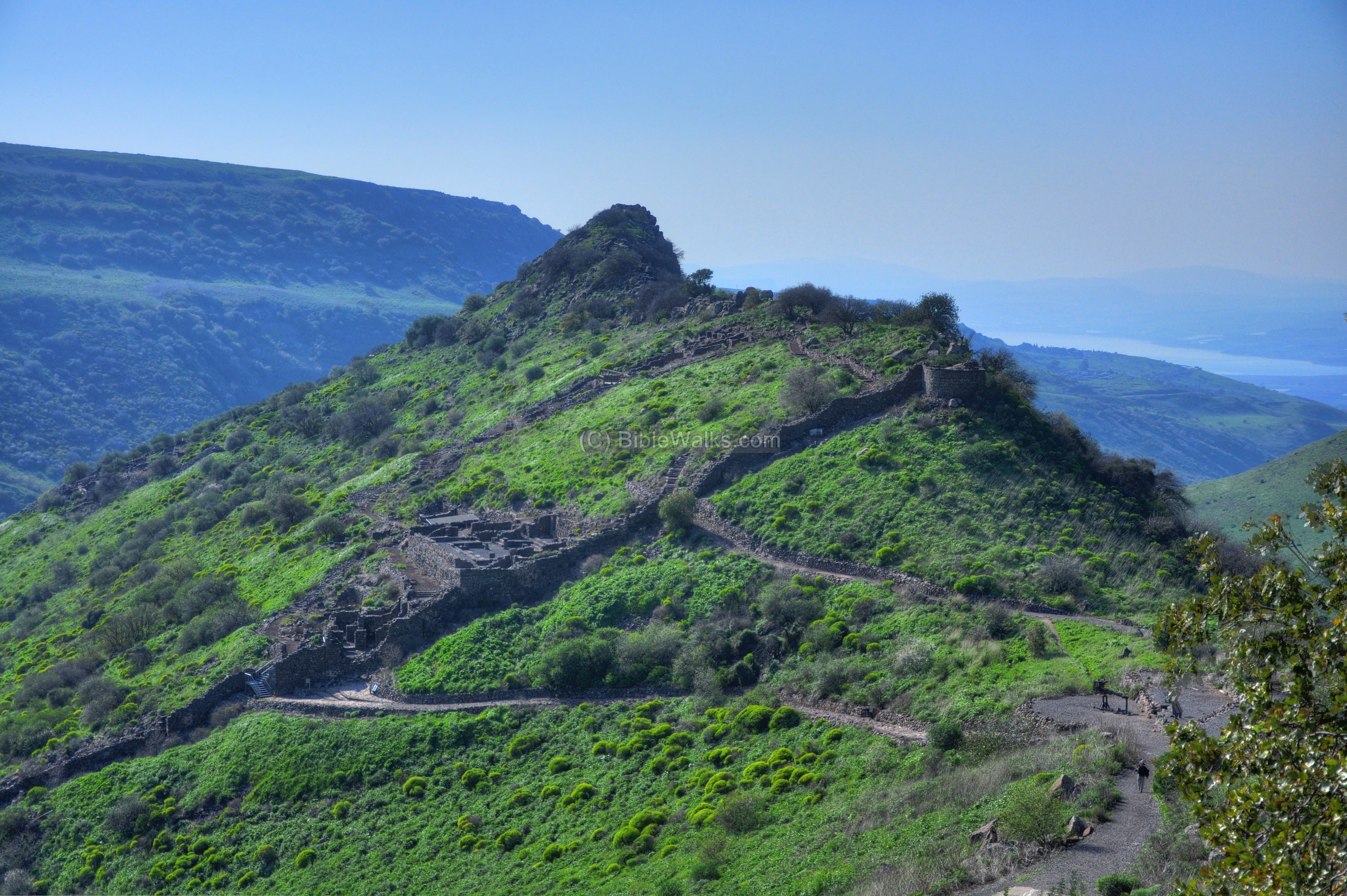
- Josephus (War 4, 1 1): “Gamala … was situated upon a rough ridge of a high mountain”.
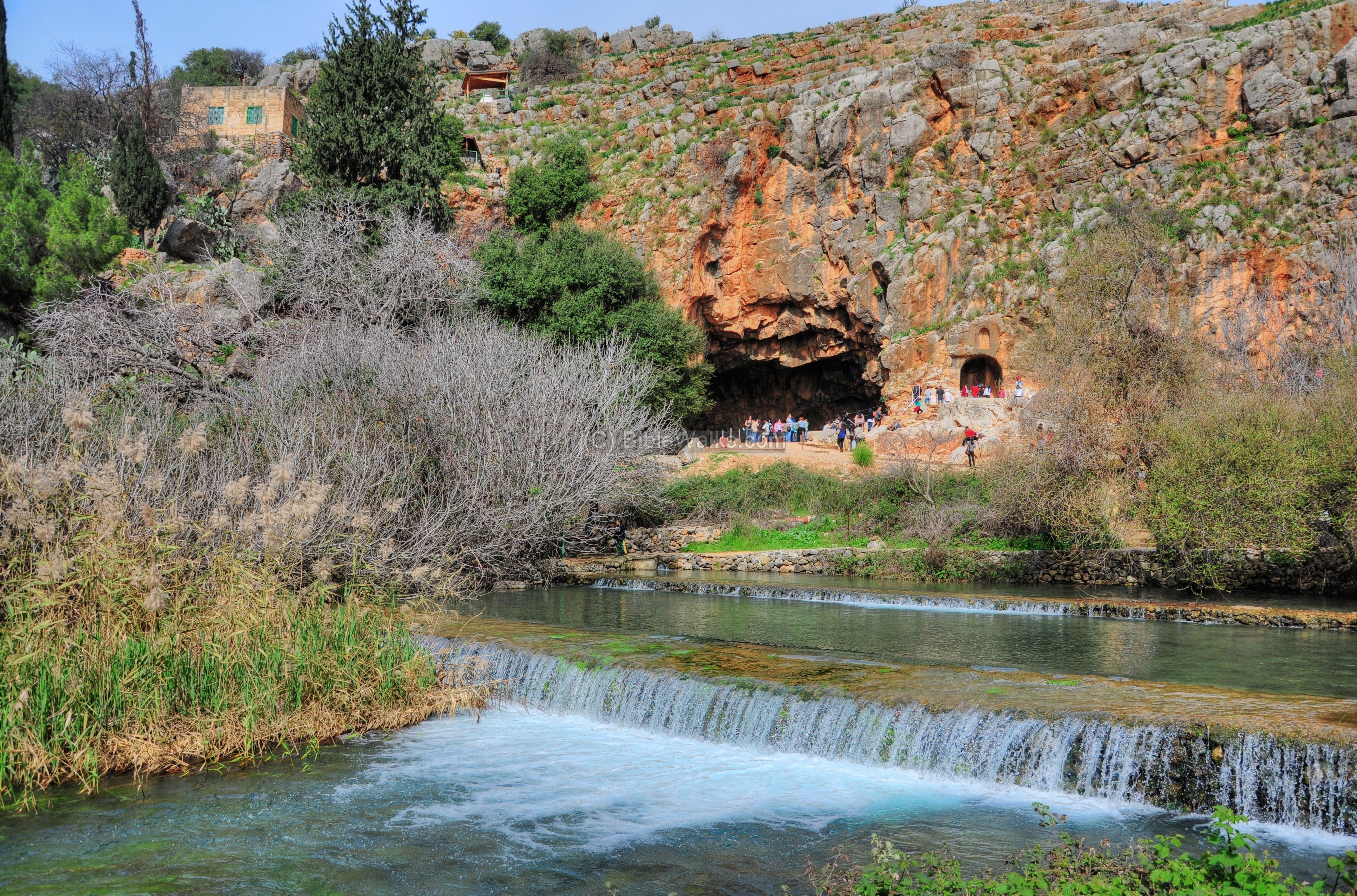
- An impressive Greco-Roman city located near a flowing spring – one of the sources of the Jordan river on the foothills of the Hermon mountain. A Roman sanctuary, which included temples and ritual courtyards, was built near the sacred grotto of Pan.
- A newly discovered Roman imperial temple complex, south-west of Banias (Caesarea-Philippi). Its temple is identified as the Augusteum described by Josephus and built by Herod.
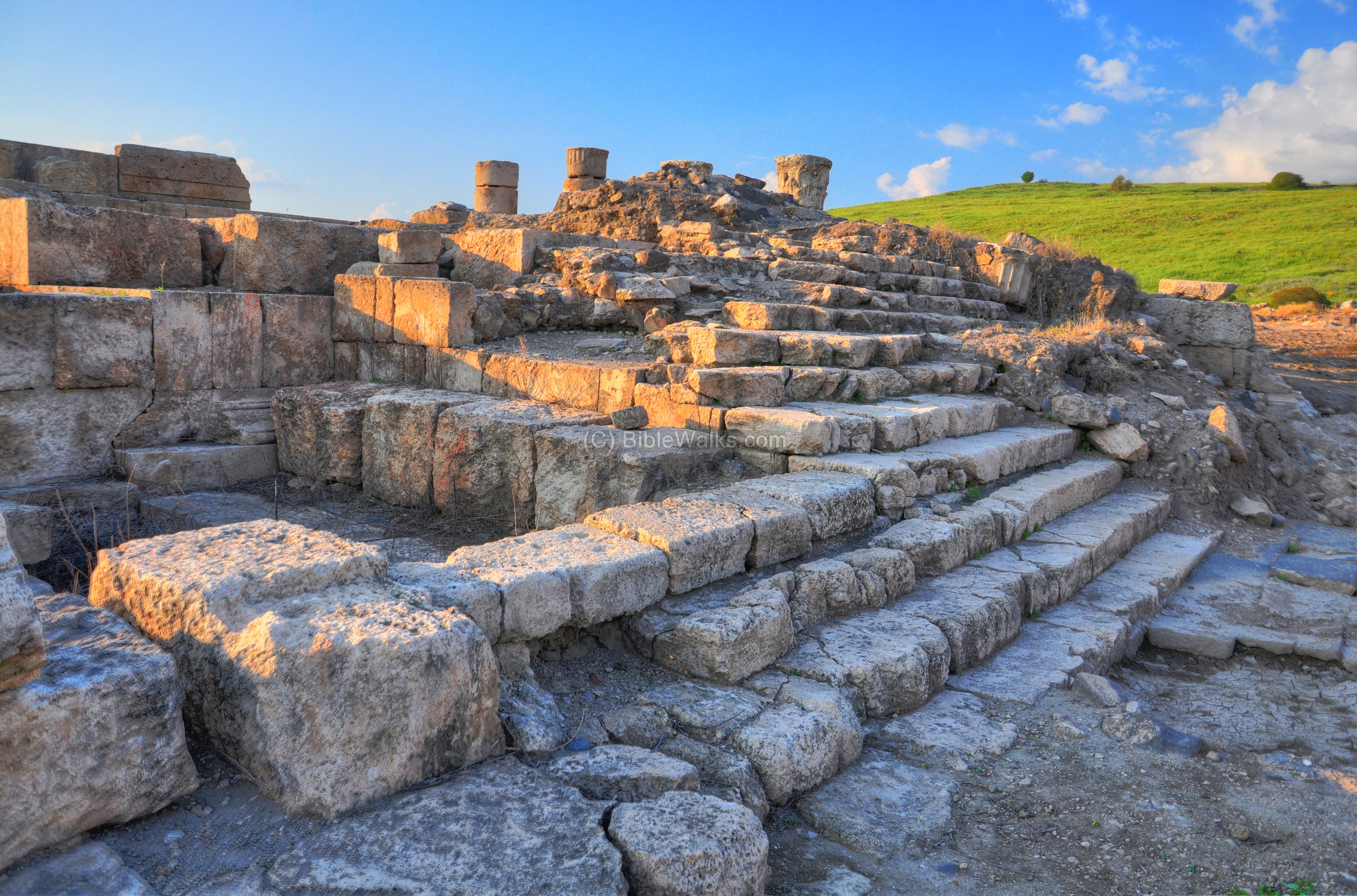
- Josephus (Wars 1 21):”…he (Herod) built there also a temple of white marble, hard by the fountains of Jordan”.
- A Roman sanctuary, which included temples and ritual courtyards, was built near the sacred grotto of Pan.
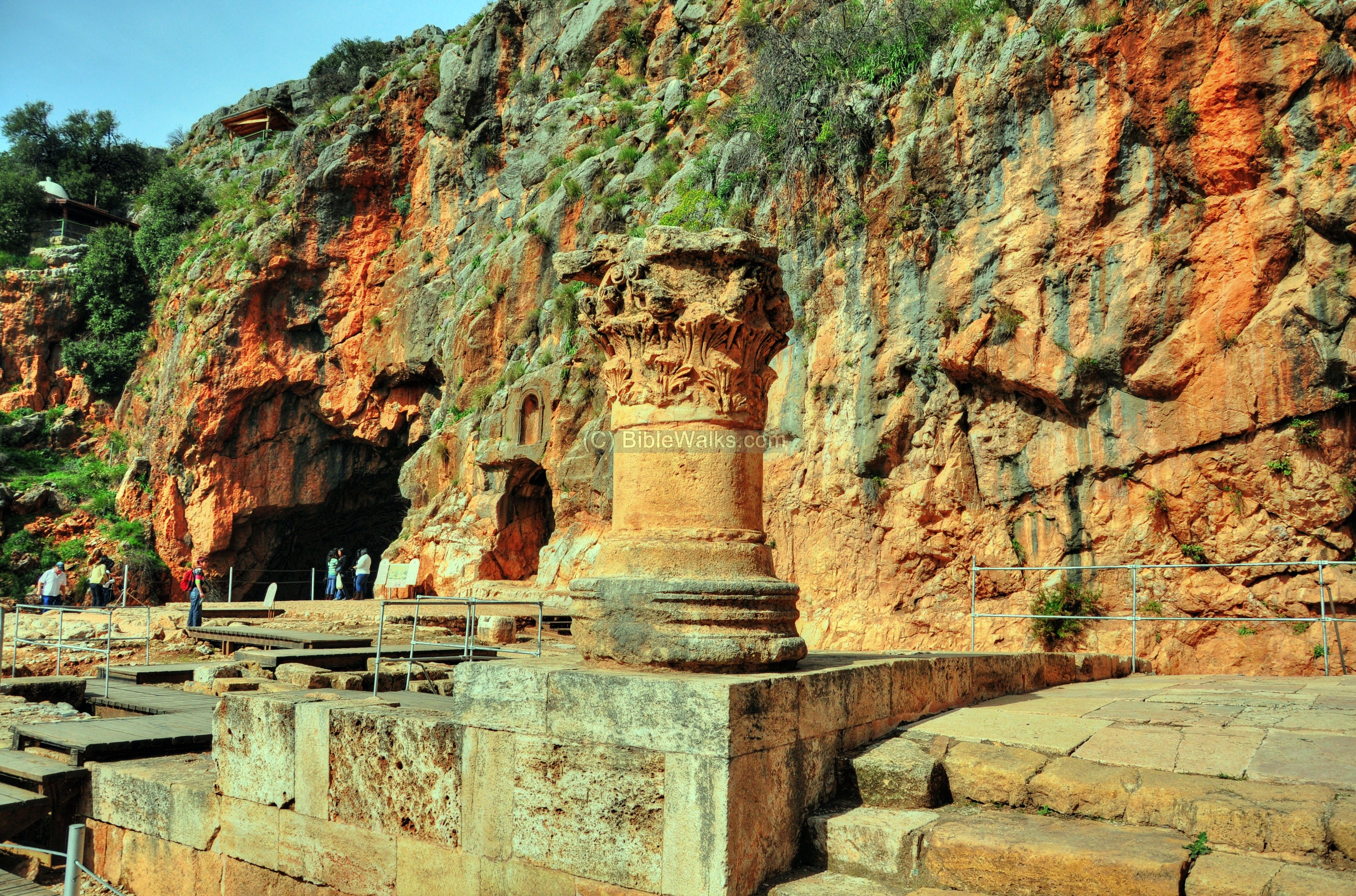
- Josephus (Wars 1 21 3): “… the place is called Panium, where is a top of a mountain that is raised to an immense height, and at its side, beneath, or at its bottom, a dark cave opens itself”.
- Along the upper section of the Banias (Hermon) stream are a number of interesting sites, including Roman bridge, HydroElectric station, flour mill and more.
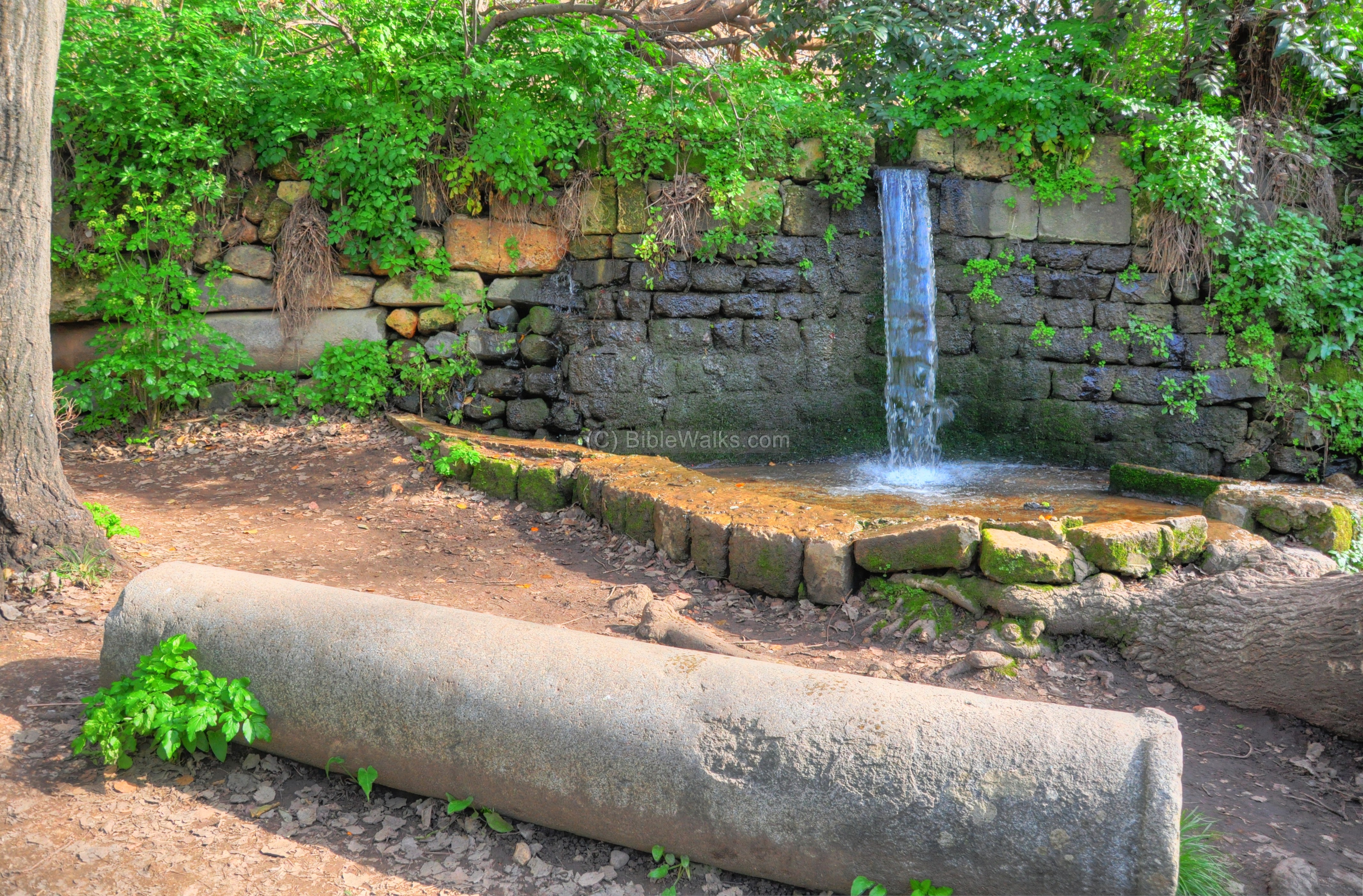
- The Crusaders fortified the frontier city of Banias in the 12th C. Sections of its gate, walls and towers are located in the ruins of the ancient city.
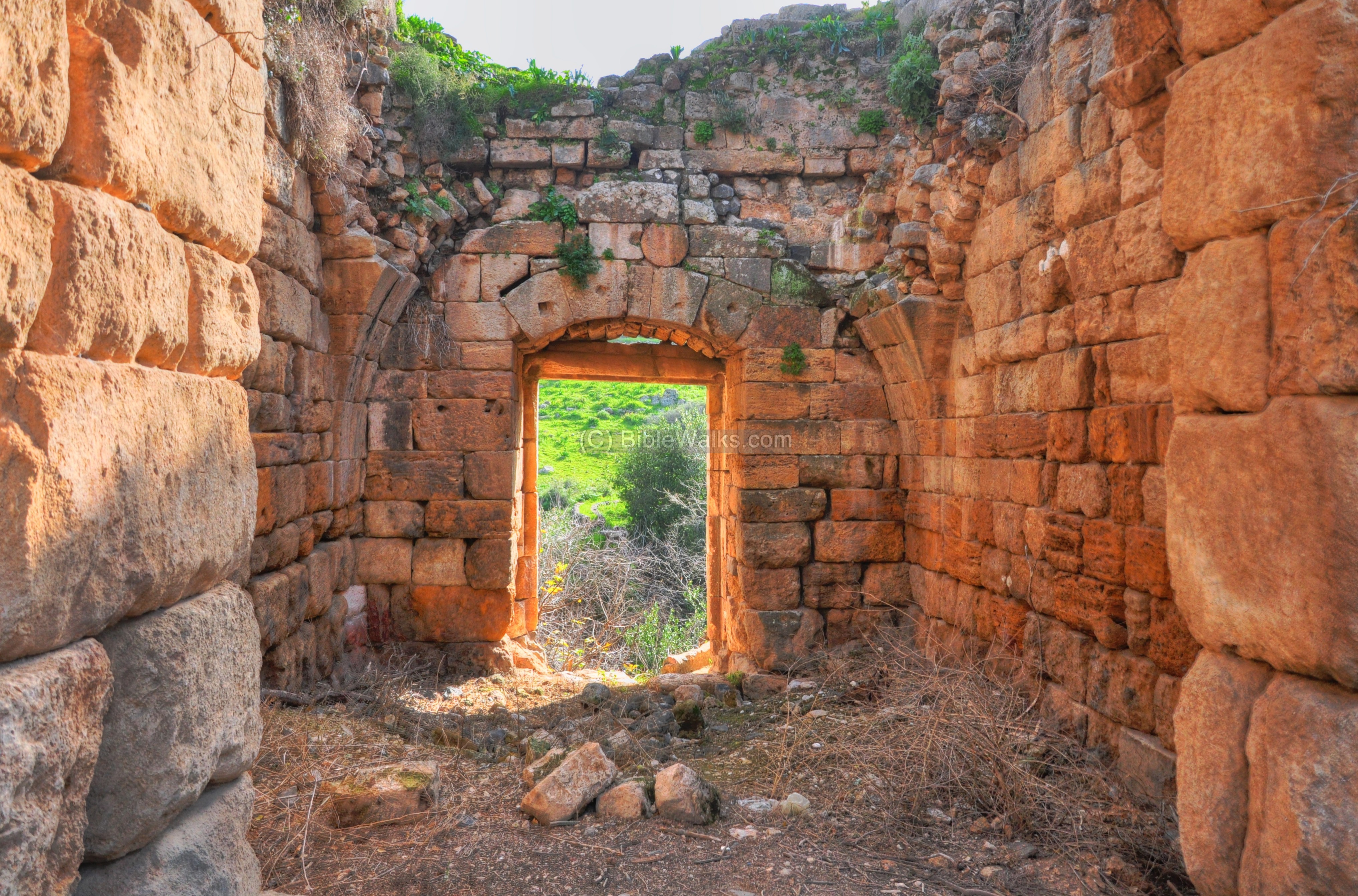
- The Nimrod fortress (Qal’at Namrud, Qal’at Subeiba) is one of the largest and most impressive fortresses in Israel. The fortress guarded the main road from Damascus to Tyre and Tiberias, and was an Arab stronghold which was constructed in order to block the Crusaders.
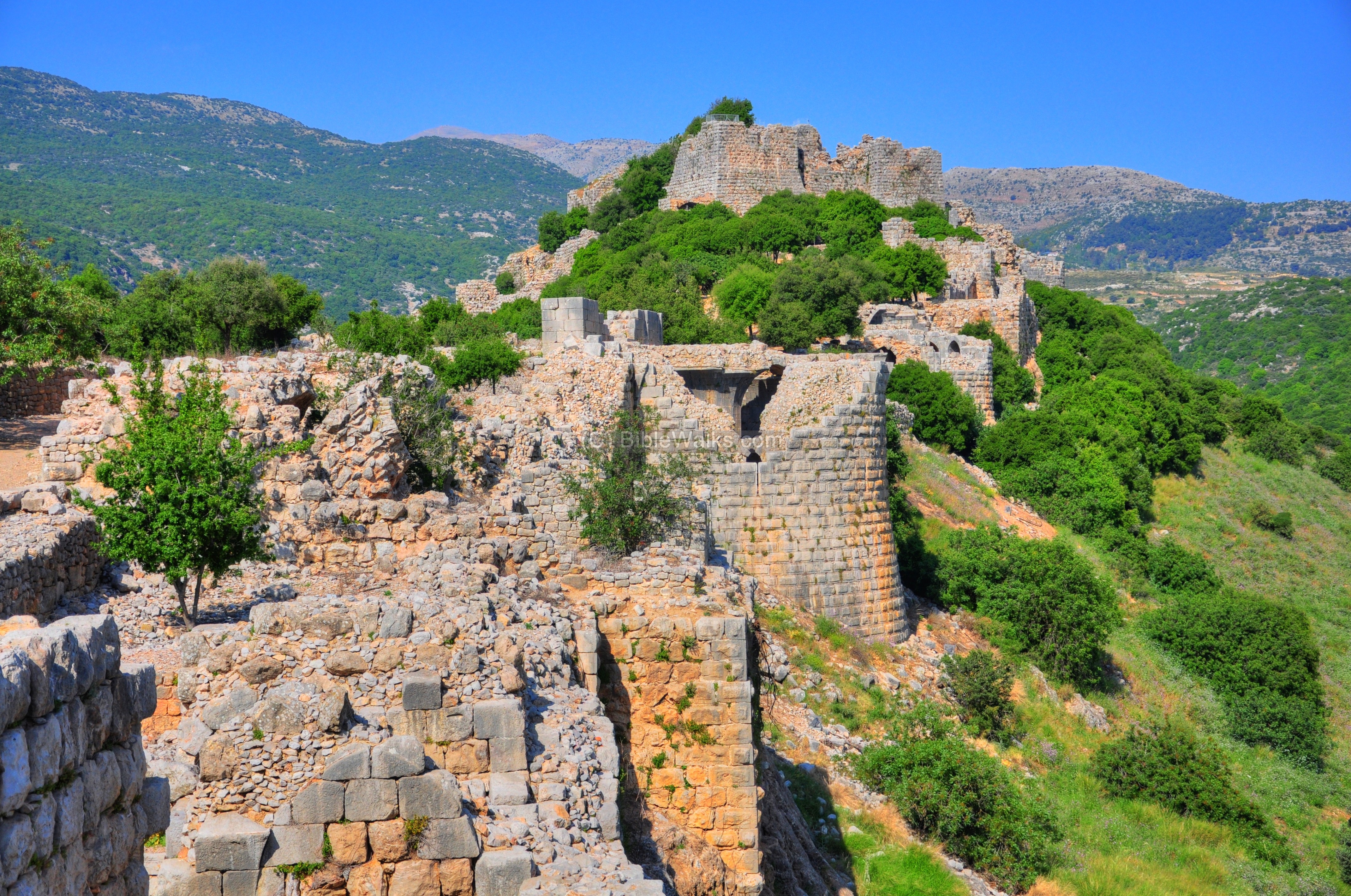
- This page focuses on the Roman and Byzantine city in Banias.
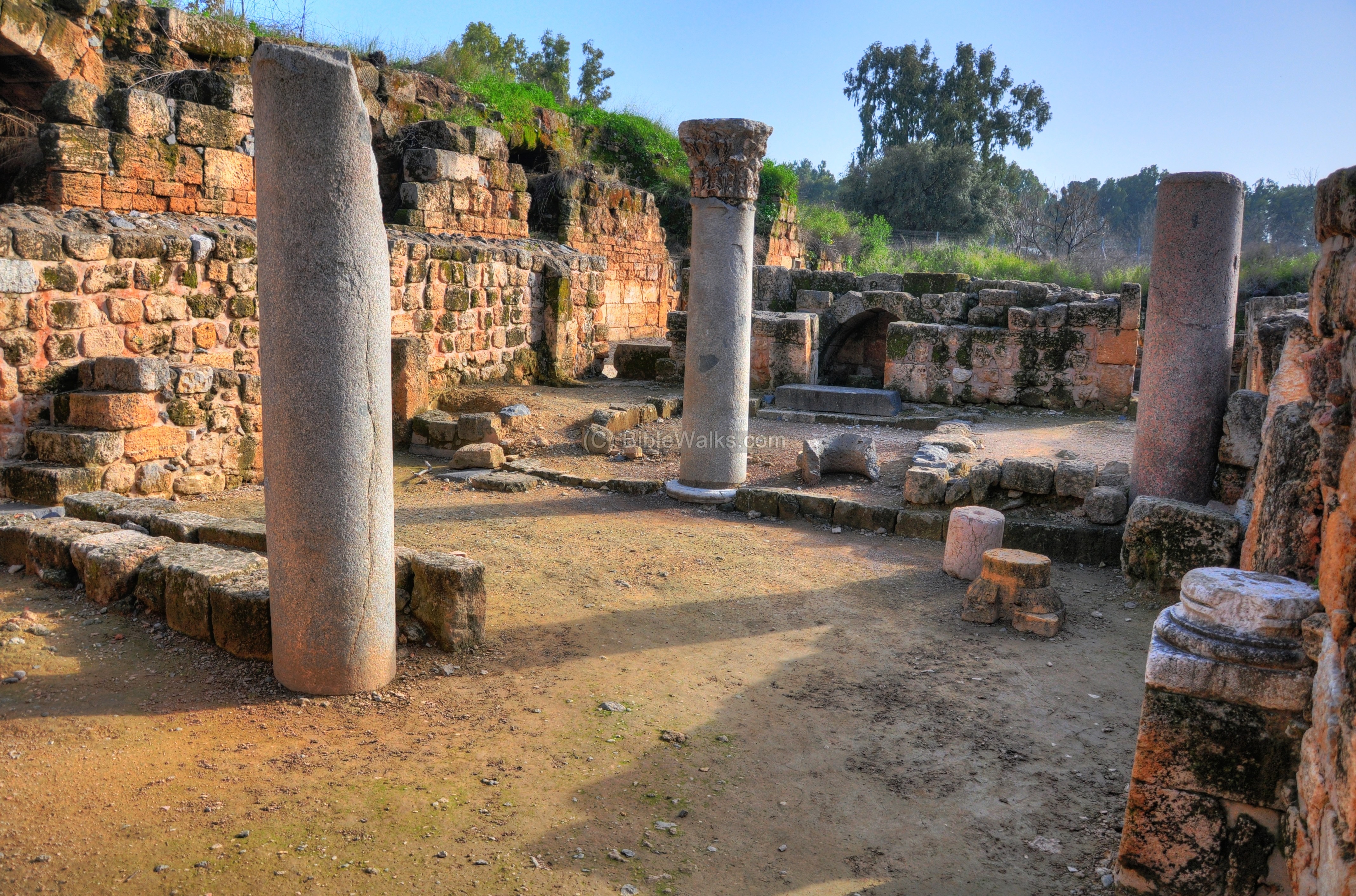
- Ant 20 9 4: “About this time it was that king Agrippa built Cesarea Philippi larger than it was before, and, in honor of Nero, named it Neronlas.”
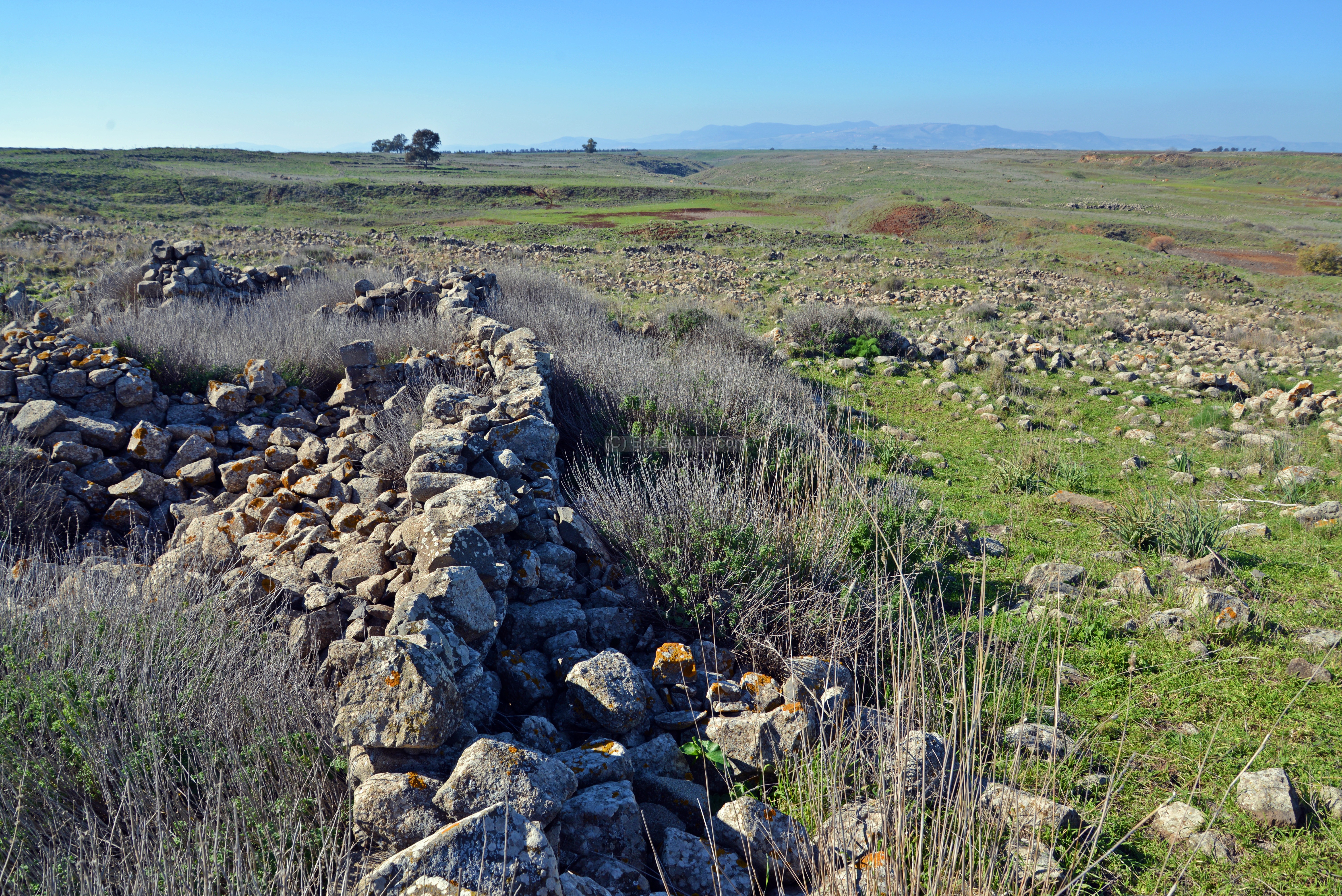
- A newly excavated Roman village in the central Golan. A large public structure, perhaps a synagogue, was found.
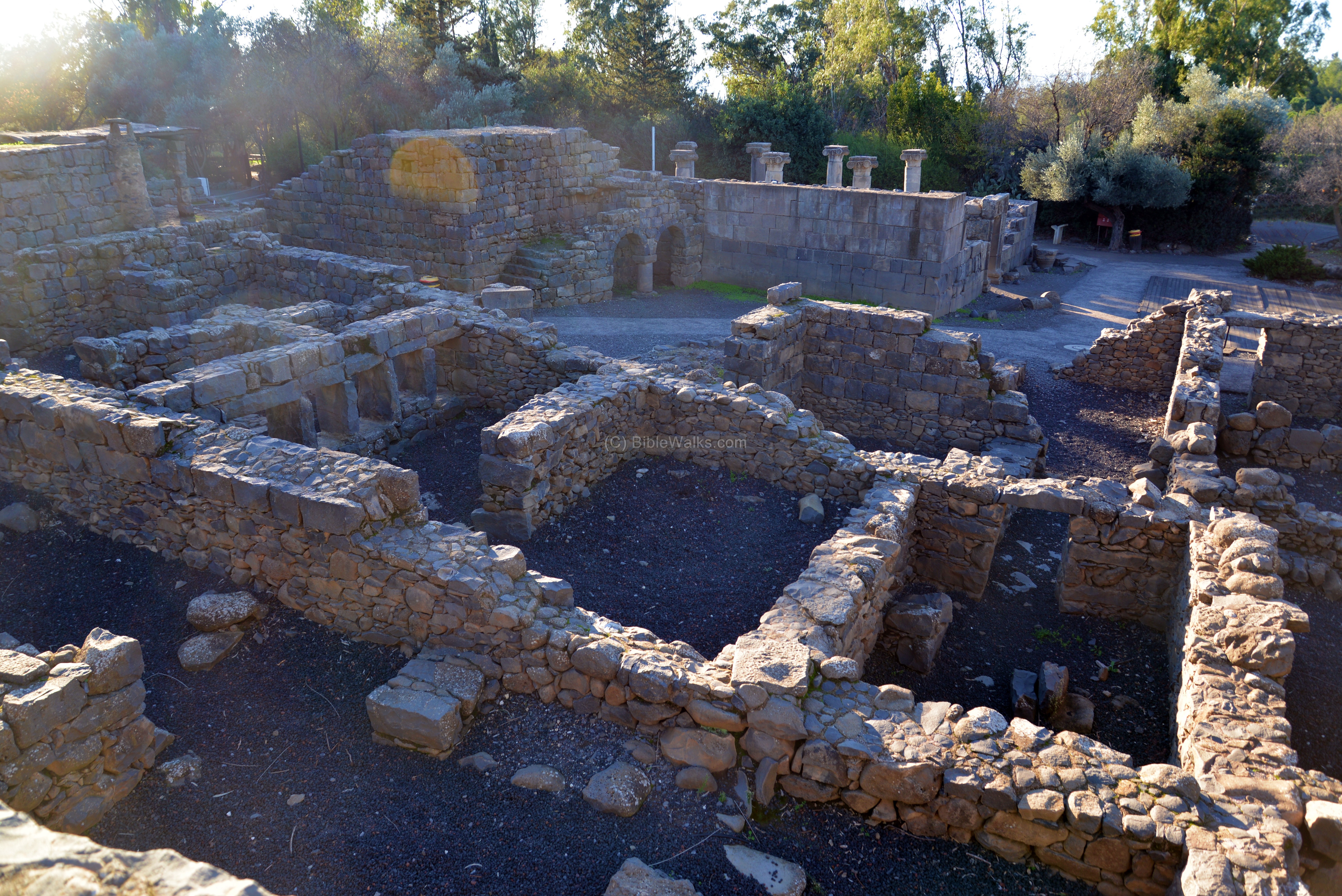
- Ancient Katzrin is a beautifully restored Byzantine period village in the central Golan area.
- Ruins of a Medieval village and Caravansary, and a Roman/Byzantine period settlement, in the southern Golan region.
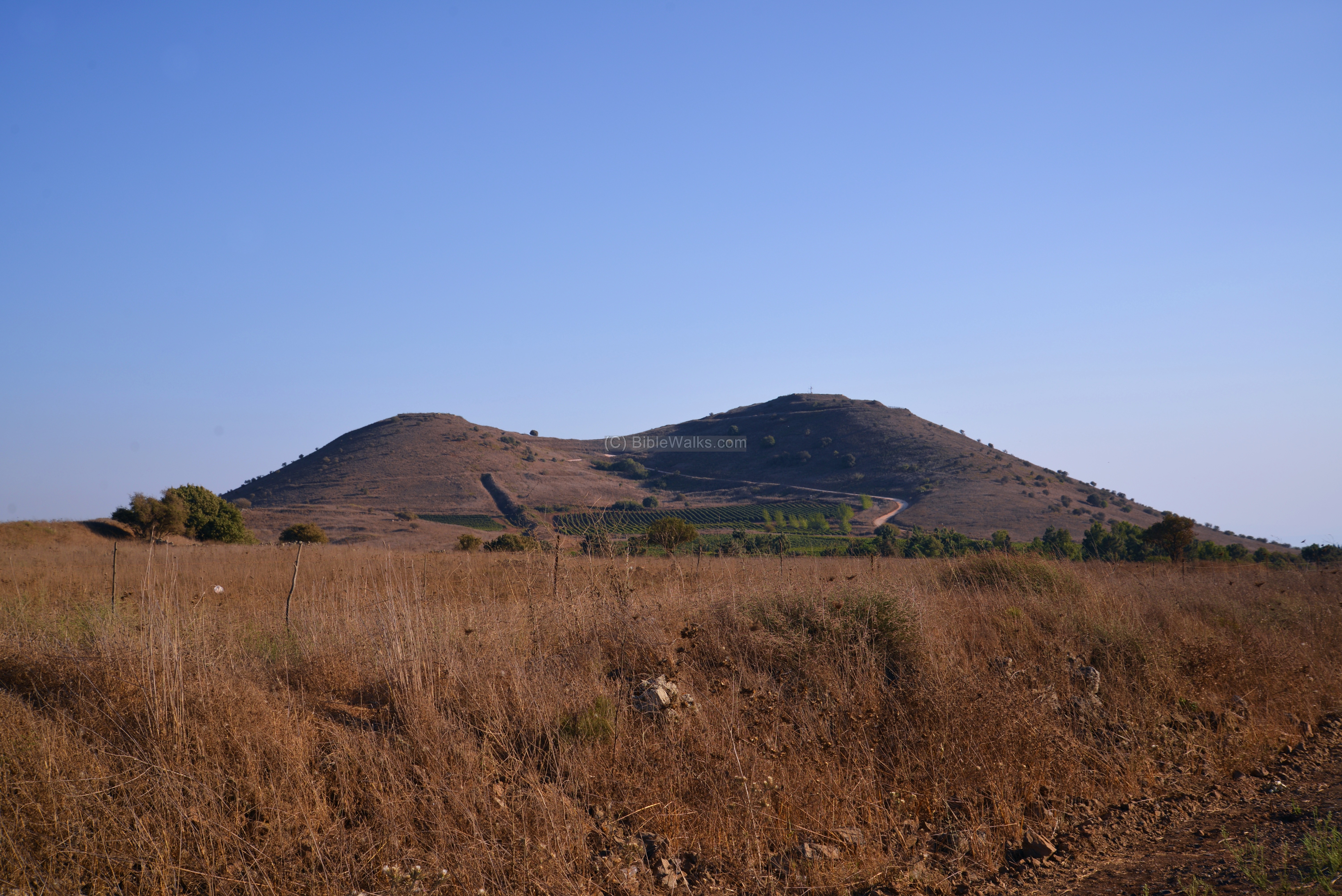
- An extinguished volcano in the northern Golan heights.
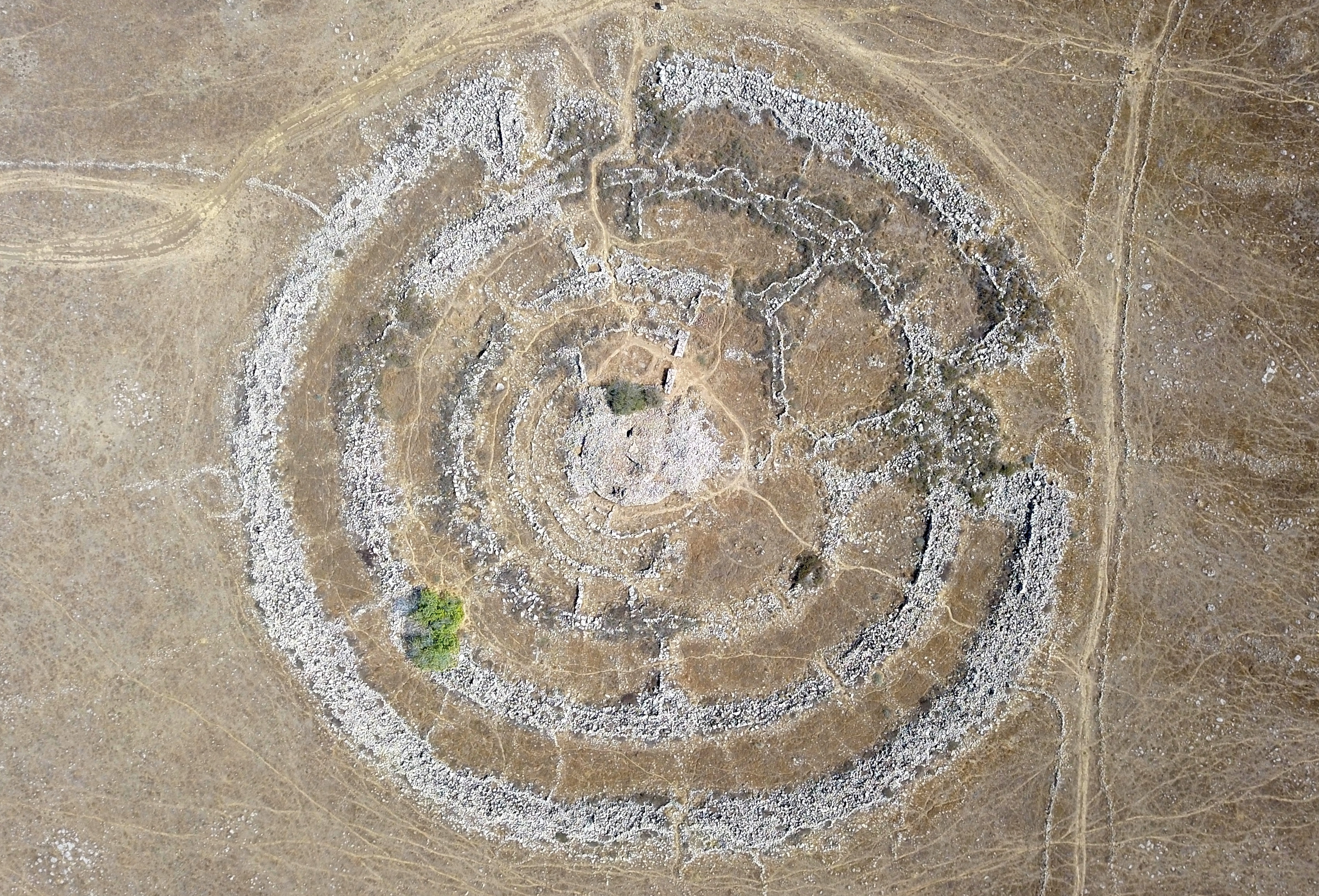
Rujm el-Hiri Gilgal Refaim
- A massive megalithic complex in the Golan heights, regarded as the “Stonehenge of the Levant”.
Map:
- Map of sites in the Golan heights.
Aerial videos playlist
 Fly over some of the Golan sites with this playlist, composed of BibleWalks aerial videos:
BibleWalks.com – walk with us through the sites of the Holy Land
Sites Navigation: On all featured sites, you can use the navigation aid at the end of the page for proceeding to the next site. The navigation bar takes you through a tour of the sites. At the bottom of each site you can navigate forward or backward, or return back to a full list of all sites in all regions of Israel.
<<<All Sites>>>—next Golan site—>>> Khirbet Kanaf
This page was last updated on Apr 4, 2023 (add overview)
Sponsored links + sample links to BibleWalks sites: