
How is a Tel (mound, heap) constructed? What is its features?
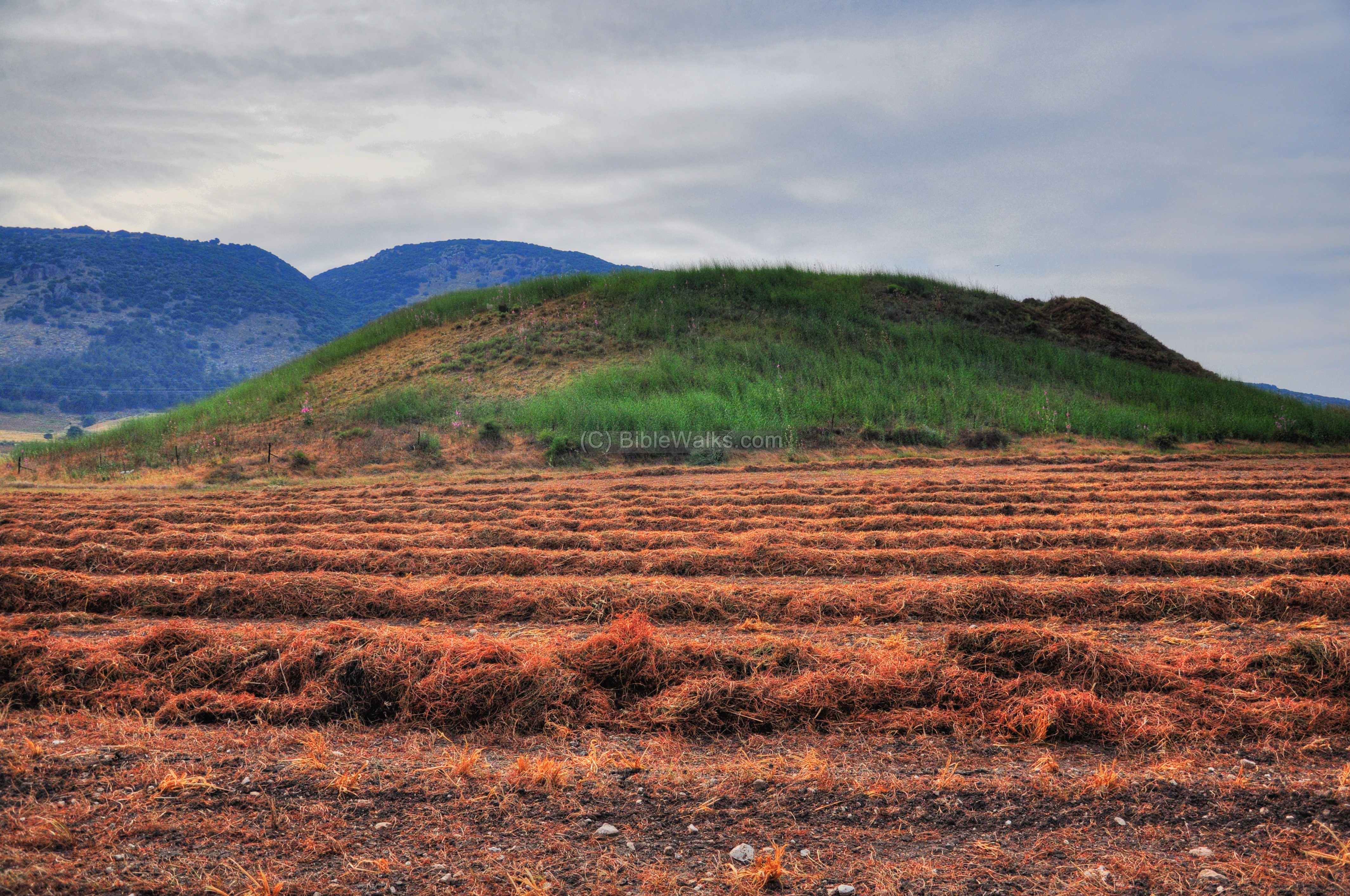
Home > Info > Story of a Tel (Tell, mound, heap)
Contents:
Overview
Background
Birth
Death
Examples
Phases
Featured Tels
Biblical Refs
Etymology
Other
Overview:
Biblical tels, also known as tells, are archaeological mounds found throughout the Middle East that contain the remains of ancient cities and settlements from the biblical period. These mounds were formed over time as new layers of civilization were built on top of the ruins of previous settlements.
Tels are important because they offer valuable insights into the lives and customs of people who lived in the region thousands of years ago, including the Israelites, Canaanites, and other ancient cultures mentioned in the Bible.
This page describes the birth and death of an archaeological Tel (mound). Most of the major Biblical sites were built as a fortified city, and their remains can be find in the ruins of the Tels. There are hundreds of sites with the prefix name of “Tel” or “Tell”, most of the ancient sites, but some (like “Tel-Aviv” or “Tel-Hashomer”) are modern cities or villages.
In 2005 UNESCO listed the Biblical Tels, as a World Heritage site.
Background:
Many of the ancient Biblical sites were located in man-made hills, which were fortified and equipped with water supply, gates, high walls, and other protection measures. The Tel was a usually a city, and before the Israelites each such city had a King. The city contained the palaces and houses of the citizens, as well as their armies.
Around the city were villages and the houses and farms of the farmers that worked for the city. When there was a threat or war the population centered in the city and defended themselves behind the walls.
There are hundreds of such Tels in Israel and the middle east. Their sizes ranged from small to large (like Megiddo).
Birth of the Tel:
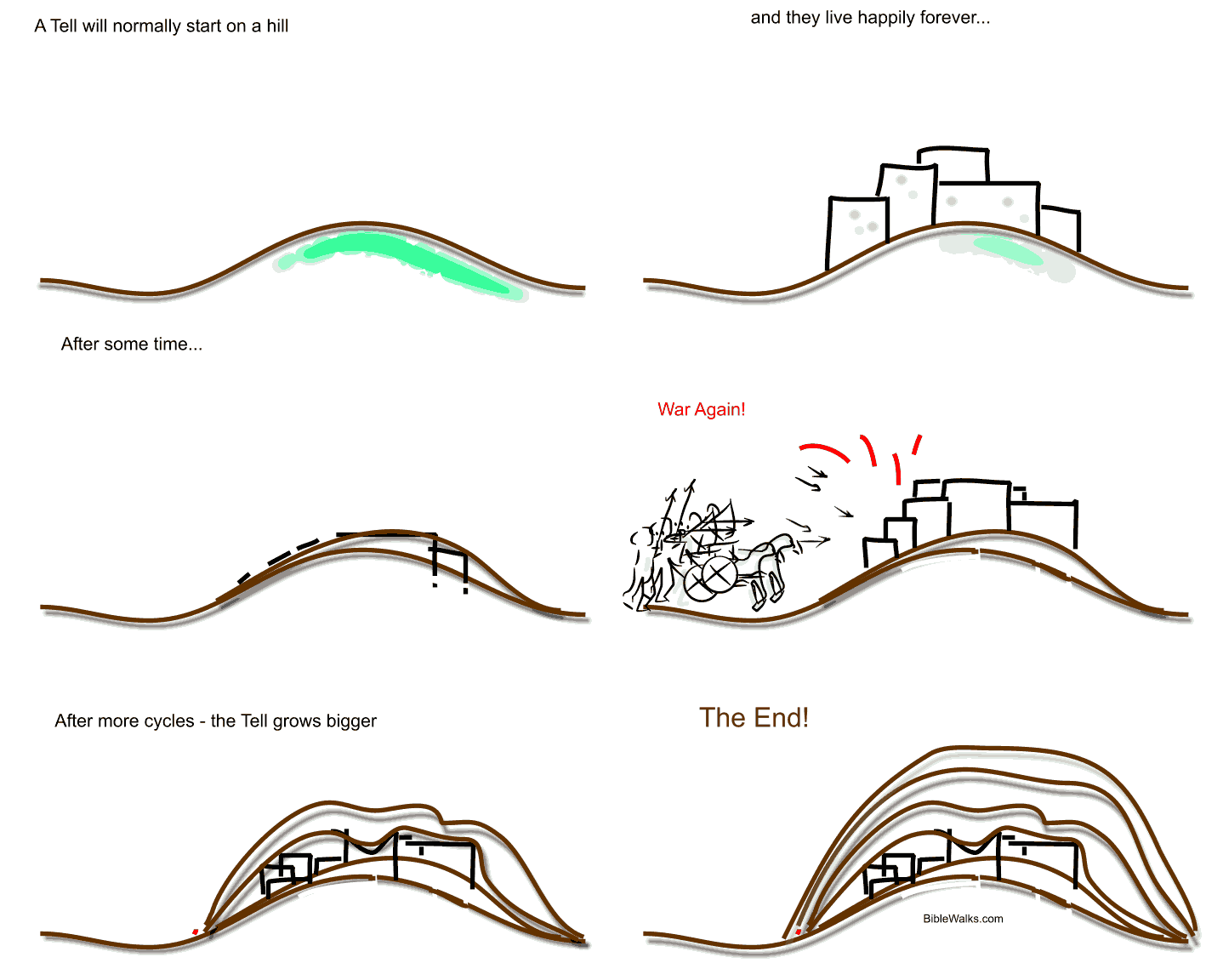
The original city was a natural hill, which was located at a strategic location such as the crossing of a river, on the side of a major road, or on a highly defend-able location. Then, the location would have been reinforced by raising the slopes of the hill by accumulating earth on top of the hill and building high walls with field-stones or sun dried mud bricks. After a war, the city was leveled by fire or deliberate destruction, and the first level would have been created. After this destruction, a new city was reconstructed on top of this layer.
This cycle would repeat again and again. The Tels are actually made out of a number of layers of construction that accumulated over the years, after each layer was grazed or burnt down by the conquering armies. At a rate of destruction every 100 years or so, many layers have been accumulated, and the height of the hill grew from one layer to the next.
The sites were build over and over again since there was an advantage to continue to revive the ruined city in its original location:
-
Under the ruins of the city all the building blocks were available, the heavy blocks were not required to be hauled away for long distances,
-
The water works were available, and required only a repair.
-
A new city would require heavy investments, and this was not possible financially.
-
The old city was usually built on the prime locations, so there was no sense in relocating the city.
-
The walls were built to last, and were available for the next layer
-
Most of the houses were made of mud bricks, which disintegrated and could not be reused for making new bricks. Thus, new mud bricks were used to build the next layer on top.
-
One of the best defense measures was to raise the height of the city as much as possible, using a vast amount of soil to raise the city. The earlier layers added to the height and were therefore useful in the next layers.
-
The owners of the ruined houses could claim their property, and return to their house and rebuild it.
Some Tels reached 20-30 layers over the 25 centuries of history. The Archaeologists can later slice them, examine the remains along the cut wall (examining the stones, ceramics, bones and coins), and read them like a history book.
Death of the Tels:
Eventually, the Tels were abandoned since they were limited in size and the population increased in sizes. The water supply could not support a larger city, and the real estate was limited. They normally relocated to a site nearby and built the new city on a larger site, usually on the higher hills around the original city. This happened around the 3rd century BC in the Hellenistic period after the land of Israel was reclaimed by the returning exiles. The majority of the Tels lasted from the 20-12th century BC until the 5th-3rd century BC.
Some Tels died earlier, such as after the fatal Assyrian assault in 732 BC. An example of an earlier demise is Tel Lachish.
After the old Tels phased out, they continued to be used as secondary sites, used as watch towers or fortresses for small military units due to their strategic location, heights and fortification. For example, the Crusaders reused Tel Yokneam or Beit-Oren.
Examples of Tels:
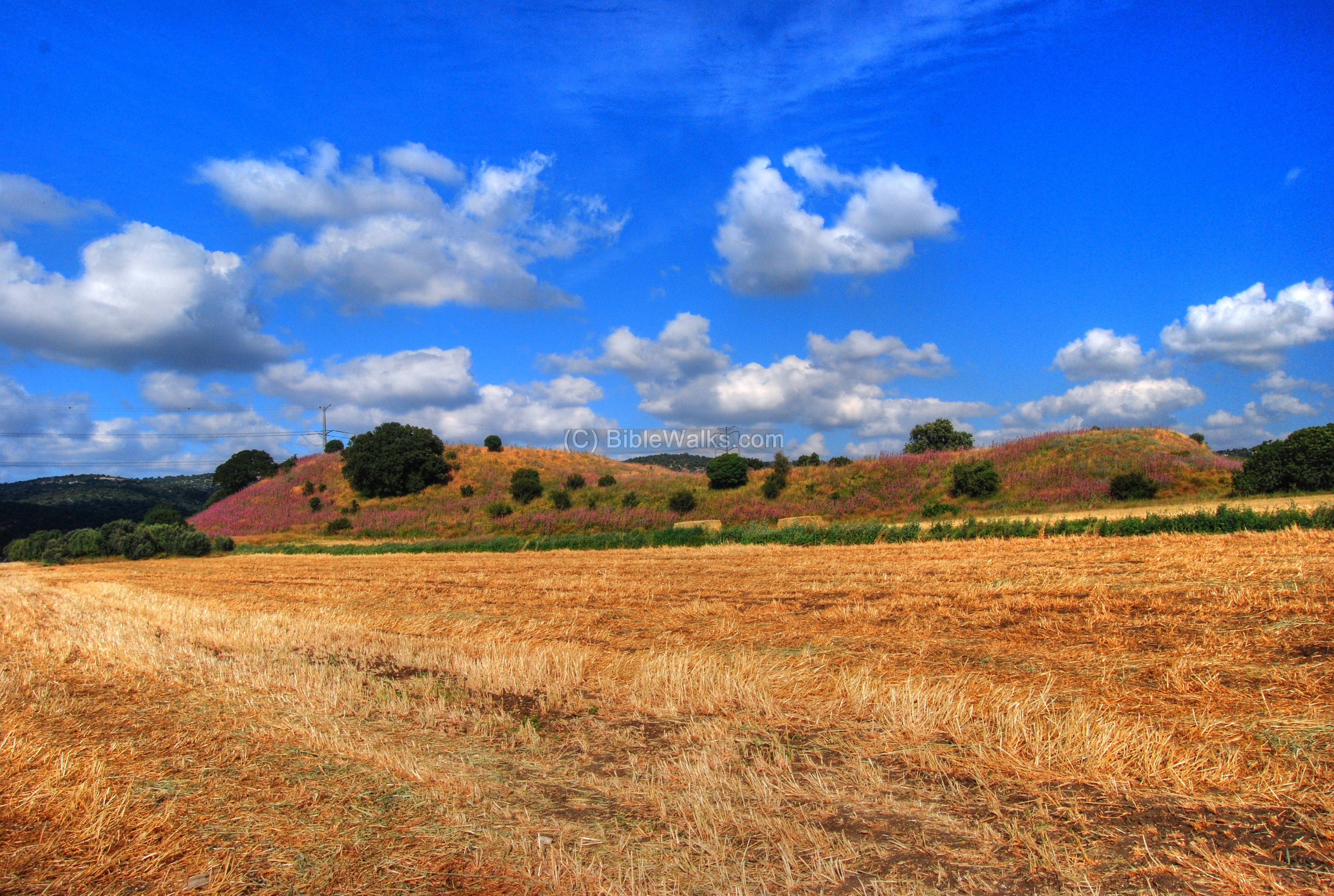
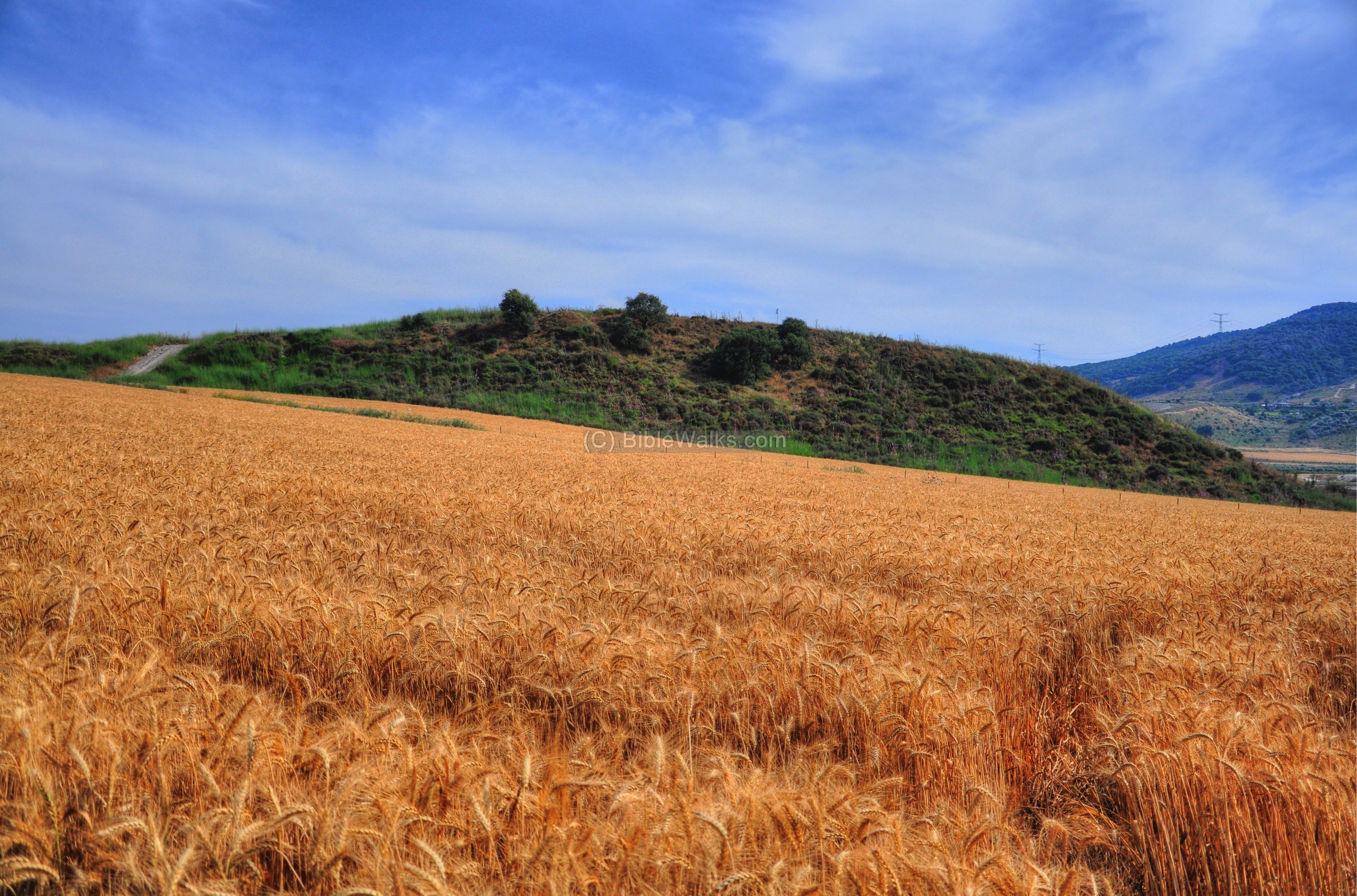
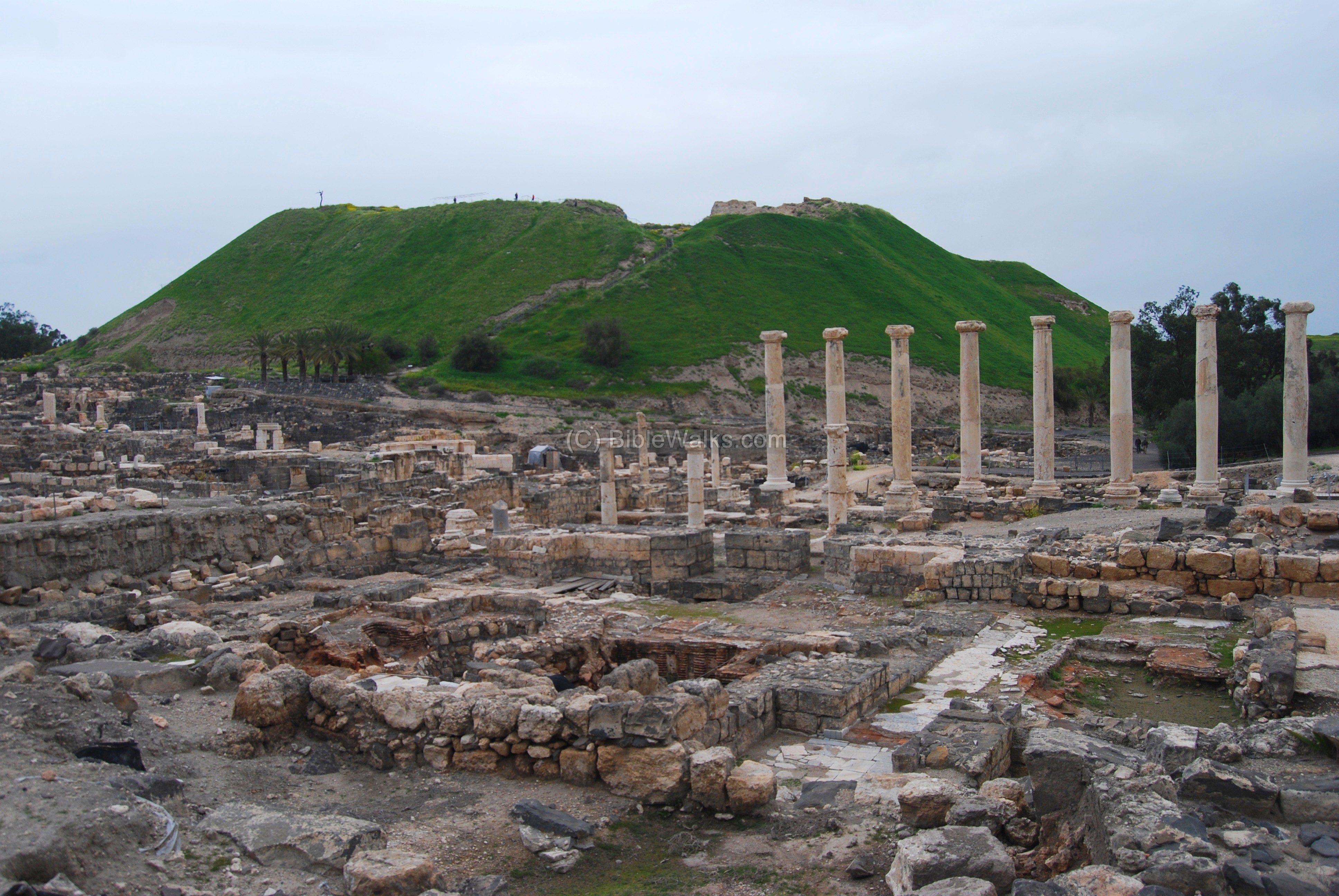
Here are some examples of Tels, all within 6 KM distance and along the main North-South road. All three were conquered in 1468 BC by Egyptian Pharaoh Thutmose III as part of his intrusion into Canaan.
(a) Tel Maamer (Biblical Geva) is located near mount Carmel, on the banks of the Kishon river. It has an upper city (on the left side) and a lower city (right side).
(b) Tel Kassis, near Yokneam, may be Biblical Khelkat. The Kishon river flows along the Tel, and provided it with water supply and a wet moat, which was part of its defense line. Above the creek are the steep walls, part of the glacis that was constructed in order to make it difficult for the attackers to climb up and into the city, and was the second line of defense.
(c) Tel Beit Shean
Tel Beit She’an (Beth Shean) was a major Biblical city, located in the center of crossroads between the Jordan valley and the Jezreel (Yizreel) valley. The ancient city thrived from the third millennium BC until the Hellenistic period in the 3rd century BC.
1 Samuel 31 6-13: “So Saul died, and his three sons,…and they fastened his body to the wall of Bethshan”.
Phases of a Tel:
The following animation shows a typical process of the construction of a typical Tel. (to start from the beginning, hit F5 – refresh)
Sample of Tels that are featured in BibleWalks:
- Tel Shimron
- Tel Yokneam
- Tel Agol
- Tel Regev
- Tel Kisson
- Tel Akko
- Tel Afek
- Tel Kinnert
- Tel Yizreel
- Tel Achziv
- Tel Zavat
- Tel Rechov
- Tel Dor
- Tel Lachish
- Tel Shikmona
- Tel Beit Shemesh
- Tel Kakun
- Tel Gamma
- Tel Issachar
- Tel Tanninim
- Abel Beth Maacah
- Tel Mor
- Ashkelon
Biblical References:
The word “Tel” is written 6 times in the Hebrew Bible, and is translated in KJV as “heap”.
(a) Deuteronomy 13:16
This text describes the Tel as a ruined city. The Bible commanded to burn down cities of evil people, and turn them into a hill (Tel) of ashes.
“And thou shalt gather all the spoil of it into the midst of the street thereof, and shalt burn with fire the city, and all the spoil thereof every whit, for the LORD thy God: and it shall be an heap for ever; it shall not be built again.”
(b) Joshua 8:28
Joshua followed the Bible directive, and burnt down the evil city of Ai:
“And Joshua burnt Ai, and made it an heap for ever, even a desolation unto this day”.
(c) Ezekiel 3:15
Tel-Aviv is the 2nd largest city in Israel. It is not a Tel, and only inherited a name from the Bible. The name appears in Ezekiel as Tel-Aviv in Hebrew (“TelAbib” in KJV bible), and means “the hill of spring”.
” Then I came to them of the captivity at Telabib, that dwelt by the river of Chebar, and I sat where they sat, and remained there astonished among them seven days”.
(d) Ezra 2:59 and Nehemia 7:61
Both books have the same text. The Hebrew text reads “Tel Melach” which is the hill of the salt.
“And these were they which went up from Telmelah, Telharsa, Cherub, Addan, and Immer: but they could not shew their father’s house, and their seed, whether they were of Israel:”
(e) Jeremiah 49:2
Jeremiah gives a prophecy that Rabat Amon (today, capital of Jordan) will be perished:
“Therefore, behold, the days come, saith the LORD, that I will cause an alarm of war to be heard in Rabbah of the Ammonites; and it shall be a desolate heap, and her daughters shall be burned with fire: then shall Israel be heir unto them that were his heirs, saith the LORD”.
Etymology (behind the name):
The word “Tel” (or “Tell”) is a root name, and has many derivatives in Hebrew:
-
Telula – means steep (since the Tels are steep) or small Tel.
-
Telulit – another word for small Tel.
-
Telon – small Tel
Tell – has the same meaning in Arabic.
Other References:
-
“The Source” – James Michener wrote an excellent novel on the story of a Tel. Behind each layer he placed a story that continued through they years and spanned throughout the history of Israel. Highly Recommended!
BibleWalks.com – walk with us through the sites of the Holy Land
Timeline <<<—Previous Info—-<<< All Info >>>—Next Info—>>> Trends in Urbanization
This page was last updated on Mar 14, 2023 (new overview)
Sponsored links: