
Water is scarce in this dry land, and aqueducts were built in order to supply water to cities and mills. Isaiah 41 18: “I will open rivers in high places, and fountains in the midst of the valleys: I will make the wilderness a pool of water, and the dry land springs of water”.
Home > Info > Structures > Aqueducts in the Holy Land
Contents:
Overview
History
Sites with Aqueducts
Biblical References
Etymology
Links
Overview:
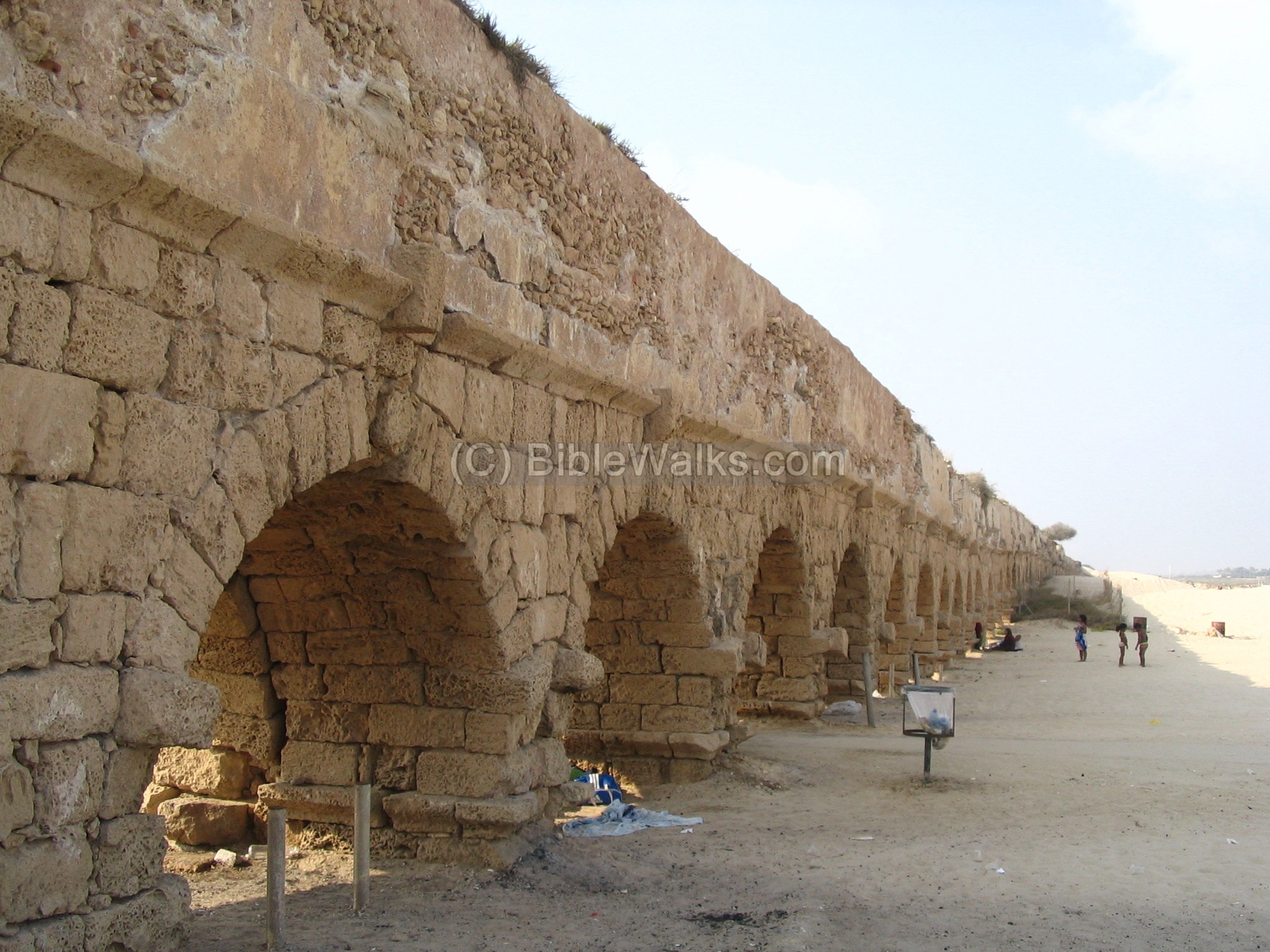
An aqueduct is a man made water supply channel that conveys water from the source, usually springs or rivers, to the consumers, usually residents and public structures. The name is based on the combination of the Latin words “Aqua” (water) and “ducere” (channel or pipe).
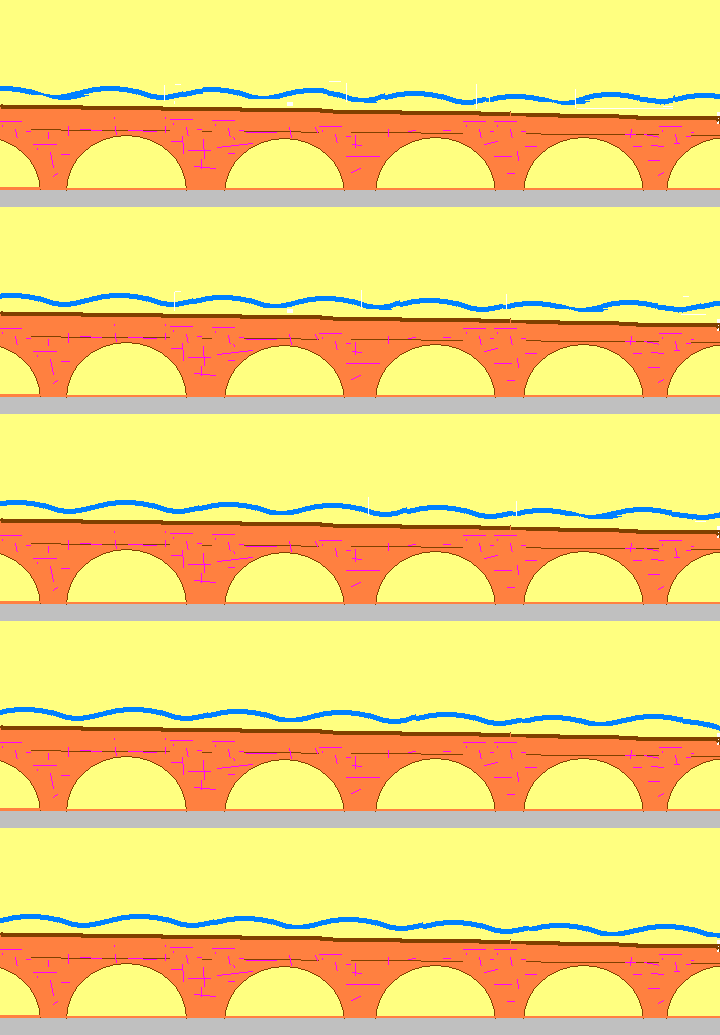
The aqueduct is built in various configurations: over the ground, on the surface, along a rock bed or cut into the rock. It used the gravitation force as the method of moving the water over a sloped channel – starting from the higher source and reaching a lower target.
History of water supply:
Water supply is fundamental for the survival of a city in the dry land of Israel. The availability of water determined the location and size of the villages and cities. The water supply methods were perfected during the history of the urbanization:
- In early times the lack of water limited the inhabitation to the low areas and within a close proximity to wells and springs. They supported only dozens of people and their cattle.
- During the Iron age, rock cutting made it possible to establish small villages in high and protected hills, since it was possible to cut cisterns under the houses and store water from the rain fall in the winter and use it during the dry seasons. This supported hundreds of people, which could relocate to remote and well protected areas. Rock cutting also allowed the mega-cities to build underground tunnels in order to reach remote springs.
- During the Hellenistic period the aqueducts were invented in order to bring fresh water to larger cities. They used gravity in order to convey the water over a long distance. This supported thousands of people, enabling the city to grow, spread out, and position the city in more comfortable urban center. Internal plumbing distributed the waters throughout the city, thus allowing it to grow and be better design.
- The aqueducts were perfected in the Roman period, and were one of the most important state projects that enabled the cities to grow. This enabled cities with population of hundreds of thousands to get fresh drinking and bathing water, and to operate mills.
- During Ottoman period, some of the Roman aqueducts were reconstructed or repaired. Most of these systems, made of stone elements, continued to supply water until 1948, such as in Acre.
- In the modern times, electrical pumps and pipes are used to supply water to homes and factories.
- One of the largest projects in Modern Israel is the “Movil Haartzi” (National carrier) which is a long aqueduct that brings water from the Sea of Galilee to the dry Negev desert.
Sites with Aqueducts:
The following table lists a sample of the sites with aqueducts that are featured in BibleWalks. Click on the site’s name to see more information on each site. (Mobile: best seen held horizontally)
| Site | Structure | Period | Photo |
|---|---|---|---|
| Caesarea | Herod build the first aqueduct in the 1st C BC. It brought running water to the old city of Caesarea, along a raised aqueduct. The source of the water was the springs of Shummi, 10KM away. It was expanded by the Romans. Later, more aqueducts were built. | Early Roman Roman Byzantine Early Arab Crusaders Mamlukes Ottoman |  |
| Acre | The Aqueduct brought running water to the old city of Acre, along a raised aqueduct and a series of siphon towers. The source of the water was the springs of Cabri, 14KM away. | Hellenistic, Ottoman |  |
| Sepphoris | The large water reservoir received water from 2 long aqueducts. The water system included valves, vertical shafts and support arches. This enormous project provided water to the major part of the city, while the higher places around the fortress used cisterns for their water supply. | Roman | 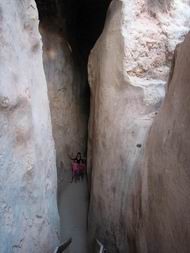 |
| Beit Yerach | The water was supplied to a baths complex in the city (named Sinnabray). The aqueducts was based on modular units made of basalt rock. The aqueduct was tapped of the "Bereniki" aqueduct which brought water from the Yavniel creek (west of the Tell) to Tiberias. | Roman | 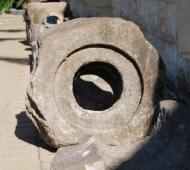 |
| Manot | This groove in the rock bed was part of an ancient aqueduct, which may be related to the water mill that was located at its edge. It may have also been a part of the water supply for the Manot - either for the village or for the sugar factory. | Roman/ Byzantine | 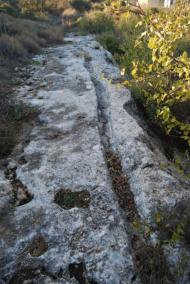 |
| Kh. Seraf | In the Bezet creek are traces of an ancient aqueduct. Built in the Byzantine period and in use until the Ottoman period. The aqueduct supplied water to the ancient village of Bezet, a large Roman/Byzantine city which is the source of the name of the creek. | Byzantine Ottoman | 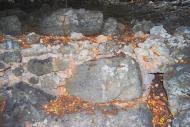 |
| Tell Kinneret | Tell Kinneret is a high hill on the north-west side of the sea of Galilee, where the biblical city of Kinneret once was located. Today the site is used as the water pumps for the National Carrier project. | Modern | 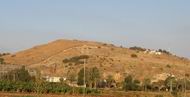 |
| Pools of Bethesda | The Bethesda water reservoirs supplied water to the temple mount. The first pool was constructed during the first temple, based on a dam that collected rain water flowing in the valley and stored it in a natural lake. Then the waters were directed from the lake to the temple in an open channel. | Second Temple | 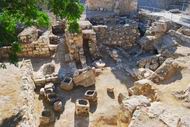 |
| Sultan's Pool | An ancient pool, part of the water supply system of Jerusalem from the Roman period until the late Ottoman period. The aqueduct is built around the circumference of the pool. | Herodian- Ottoman | 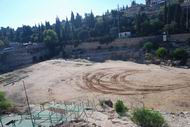 |
| Roman bath, Emmaus | A hot and cold water aqueduct fed the 3rd C Roman bath. | Roman/ Byzantine | 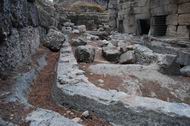 |
| Emmaus Water systems | The valley of springs on the north-east side of Emmaus collects the waters and moves them by a set of aqueducts down hill, then through a tunnel into the ancient city. | Late Roman | 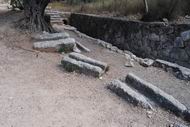 |
| Megiddo | The spring is located outside of the fortified city. An underground aqueduct brought its waters inside, allowing the defenders to survive long sieges. | Israelite Kings | 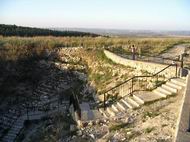 |
| Dor | The water supply was based on two aqueducts that fetched water from a distance of 12KM from Tata spring in the Daliah creek, and from springs near Kibbutz Ma'ayan-Zvi. | Early Roman | 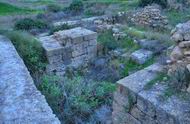 |
| Hippos | The Roman aqueduct which fetched water from springs located 25KM away. These modular units were connected to each other, plastered at the joints - thus creating a sealed pipe. This enabled the use of a siphon to move the water into the city across the valley. | Roman | 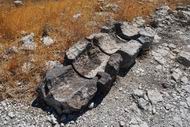 |
| Fazael Brook | The aqueduct supplied water from the Fazael springs, along the brook to the Herodian city Fazael (Phasaelis ), located in Khirbet Fasa'il. | Roman, with repairs over later periods | 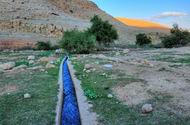 |
| Western Wall | The aqueduct supplied water from the north side of the city, filling up the cisterns under the Hasmonean citadel, which was located on the north side of the temple mount. | Hasmonean | 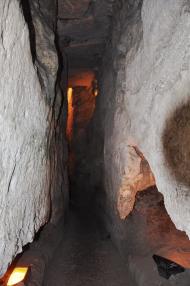 |
| Biar Tunnel | The Biyar spring and shaft tunnel - one of the two sources of Solomon's pools, that fed the "Upper aqueduct" that supplied water to Jerusalem. | Early Roman | 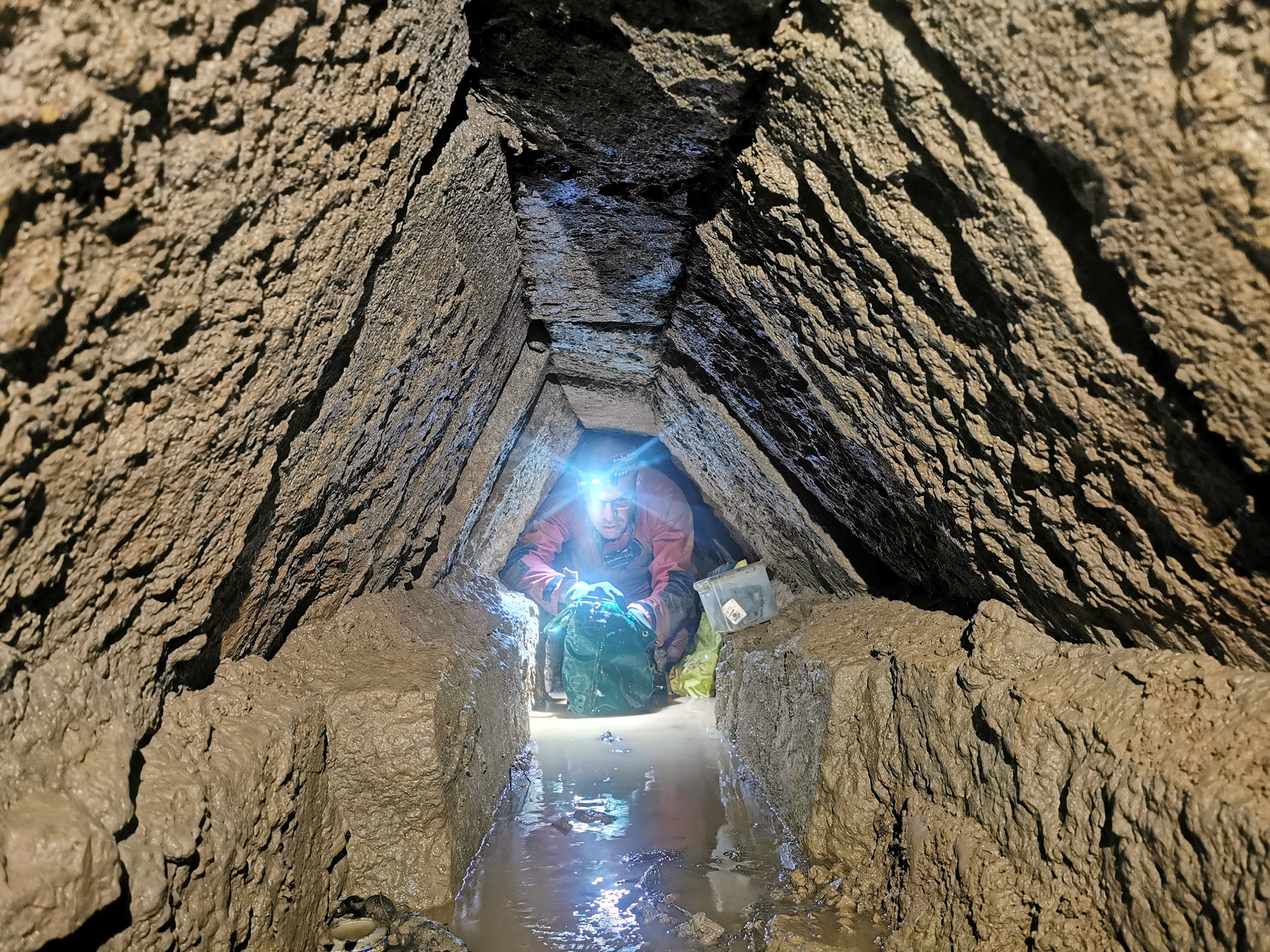 |
| Berniki Aqueduct - Survey Video | Aqueduct from Yavne'el springs to Tiberias. Starting from the Ein Ran spring in an upper position of the valley, the aqueduct conveyed waters along a distance of over 11 km along the foothills of the Sea of Galilee. | Late Roman |  |
Biblical References:
There are dozens of Biblical verses with water and springs, and several of them are included below.
Deut 8:7
“For the LORD thy God bringeth thee into a good land, a land of brooks of water, of fountains and depths that spring out of valleys and hills;”
Isaiah 41:18
“I will open rivers in high places, and fountains in the midst of the valleys: I will make the wilderness a pool of water, and the dry land springs of water”.
Etymology (behind the name):
- Aqueduct -The name is based on the combination of the Latin words “Aqua” (water) and “ducere” (channel or pipe).
- Ammat-Ma’im – the Hebrew word for aqueduct. It is composed of two words:
- The word “Ma’im” means water. It appears many times in the Bible, since “water is life”.
- The word “Amma” is based on the Hebrew word for “female servant” or “maid servant”, since it was her job in Biblical times to fetch the water. Biblical reference (Judges 9 18): “…the son of his maidservant…”.
- Amma has another meaning, which is a unit of length (translated to “cubit”). Aqueducts are long so perhaps it may be source of the name. One of the Biblical references: (Genesis 6 15):”The length of the ark shall be three hundred cubits”.
Links and References:
- The Aqueducts Of Israel (Journal of Roman Archaeology Supplementary Series #46) – David Amit, Joseph Patrich, Yizhar Hirchfeld [2002 ISBN 1887829466]
- Water in the desert Water installations in the Judean desert
- Biblical water systems
- The Atlas project of Roman aqueducts
Internal links:
- Berniki aqueduct – survey video (YouTube, June 2025)
BibleWalks.com – exploring the Bible places in Israel
Jesus Maps <<<—Previous info—<<< All Info >>>—Next—>>> Mills
This page was last updated on June 13, 2025 (add TOC)
Sponsored links: